How I Market a Commercial Property for Sale: Step by Step
The step-by-step process Lais Same uses to evaluate, price, position, market, and close the sale of commercial property in Miami and South Florida.
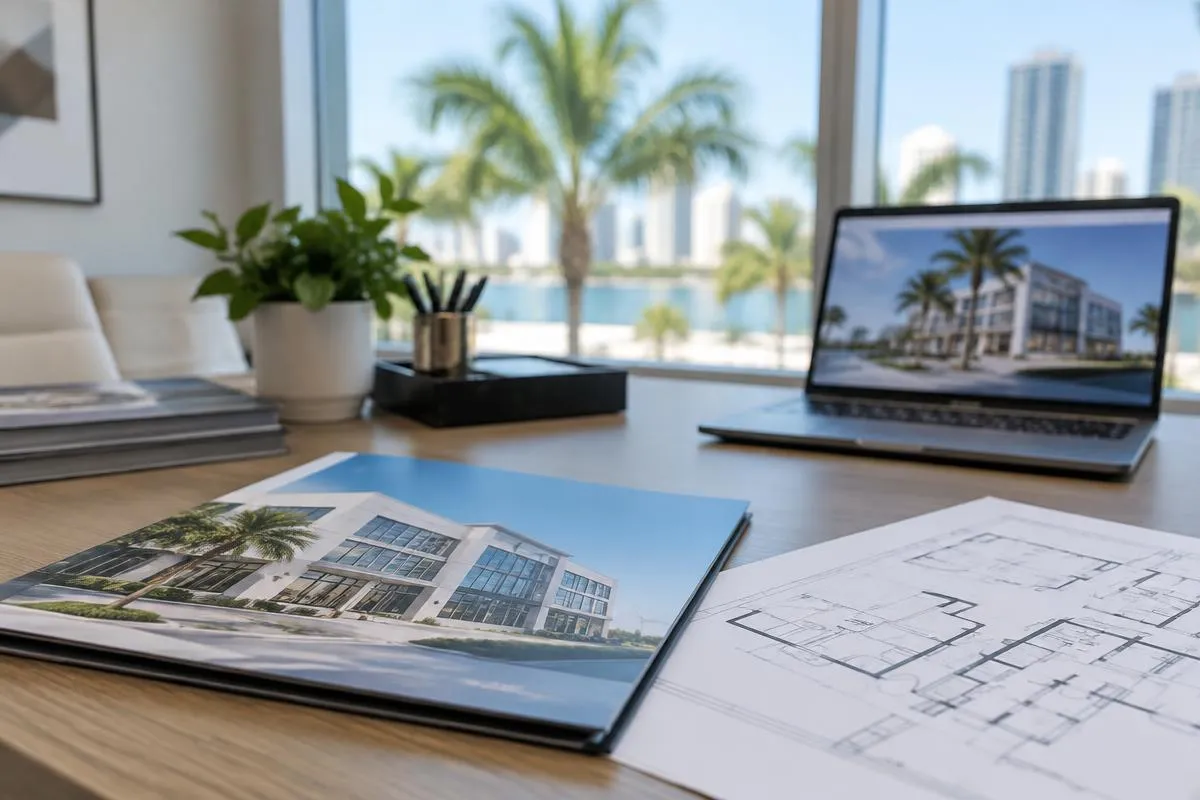
Selling a commercial property requires more than placing a listing online and waiting for buyers to call. An effective marketing strategy begins with understanding the property, identifying the right buyers, determining a competitive asking price, and presenting the opportunity in a way that attracts qualified interest.
As a commercial real estate professional working in Miami and South Florida, I approach property marketing with one primary objective: positioning each property to reach the buyers most likely to recognize its value and complete a transaction.
Whether I am evaluating a retail shopping center, office building, industrial warehouse, multifamily investment property, or commercial land, the marketing approach must reflect the property's characteristics and potential buyer audience.
A fully leased retail building may appeal to investors seeking rental income. A vacant commercial property may attract business owners looking to occupy their own space. A development parcel may require a different strategy focused on zoning, location, and development potential.
For commercial property owners in Miami-Dade County, understanding how a property will be marketed is an important part of choosing the right listing broker.
Here is the step-by-step approach I use to evaluate, position, and market commercial properties for sale.
1. How Do I Evaluate a Commercial Property Before Listing It?
I begin by reviewing the property's characteristics, financial performance, current use, and potential opportunities before developing a marketing strategy.
Every commercial property is different, and understanding those differences is essential.
For an income-producing property, I evaluate factors such as existing rental income, operating expenses, occupancy, and lease terms.
For a vacant commercial building, I consider the property's layout, location, condition, accessibility, and potential uses.
For commercial land, I review available information about the parcel, surrounding development, and applicable zoning requirements.
What information do I review?
Depending on the property, I may request:
- Property address and parcel information.
- Building and land square footage.
- Current occupancy.
- Existing lease agreements.
- Rent roll and rental income.
- Operating expenses.
- Property taxes and insurance expenses.
- Available surveys and floor plans.
- Property condition and improvements.
- Zoning and permitted-use information.
For example, when evaluating a retail building along West Flagler Street or SW 8th Street, I consider more than the property's square footage.
Visibility, surrounding businesses, access, parking, tenant demand, and potential buyer uses can all influence how the property should be presented.
I also identify information that requires additional verification before it is included in marketing materials.
My goal during this stage is to understand what makes the property attractive, what questions buyers are likely to ask, and which issues should be addressed before listing.
2. How Do I Determine the Right Asking Price for a Commercial Property?
I develop a pricing recommendation by reviewing relevant comparable sales, competing listings, property financials, and the characteristics that influence buyer demand.
One of the most important decisions in a commercial property sale is establishing a realistic asking price.
An asking price should not be based exclusively on what an owner hopes to receive or what nearby properties are currently advertised for.
Active listings provide useful information about competition, but closed transactions can offer stronger evidence of what buyers have actually paid for comparable properties.
How I evaluate pricing
Depending on the property type, I consider:
- Comparable sales: Recent transactions involving properties with similar characteristics, locations, and uses.
- Current competition: Other commercial properties available for sale that may compete for the same buyers.
- Rental income: Existing and potential rental revenue for income-producing properties.
- Operating expenses: Costs that affect net operating income and investment returns.
- Property condition: Repairs, improvements, and other physical characteristics that may influence value.
- Buyer demand: Whether the property is likely to attract investors, owner-users, developers, or multiple buyer categories.
For income-producing properties, one valuation method may involve dividing net operating income by a market-supported capitalization rate.
Estimated Property Value = Net Operating Income ÷ Capitalization Rate
However, not every property should be valued primarily through an income approach.
Vacant buildings, owner-user properties, and development sites may require greater emphasis on comparable sales and other relevant valuation methods.
I believe owners should understand the assumptions behind a recommended asking price before deciding how to enter the market.
You can learn more about my commercial property valuation and market analysis services.
3. How Do I Identify the Right Buyers for a Commercial Property?
I identify the most likely buyer categories based on the property's income, occupancy, location, configuration, and potential uses.
This step is important because commercial properties attract buyers with different objectives.
A buyer looking for a stable investment may not be interested in the same property as a business owner seeking immediate occupancy.
Similarly, a developer evaluating land may focus on factors that are less relevant to an investor purchasing an occupied retail center.
How buyer targeting differs by property type
| Property Type | Potential Buyer Audience | Main Buyer Considerations |
|---|---|---|
| Leased retail building | Investors | Rental income, tenant stability, lease terms |
| Vacant retail building | Owner-users and investors | Location, visibility, permitted uses, occupancy |
| Office property | Businesses and investors | Layout, occupancy, operating costs |
| Industrial warehouse | Owner-users and investors | Loading access, configuration, location |
| Multifamily investment | Real estate investors | Rental income, expenses, occupancy |
| Commercial land | Developers and investors | Zoning, location, development feasibility |
For example, a vacant freestanding building in Miami may appeal to a business owner who wants to purchase a location rather than continue leasing.
A fully occupied shopping center may attract an investor seeking rental income.
Identifying the right audience helps me determine how the property should be described, which features should receive the most attention, and where marketing efforts should be directed.
4. How Do I Prepare a Commercial Property for Marketing?
I organize the property's information and prepare marketing materials that clearly communicate its characteristics, financial performance, and potential buyer appeal.
A commercial property should be presented professionally and accurately.
Depending on the listing, marketing materials may include professional photographs, property descriptions, location information, financial summaries, site plans, and an offering memorandum.
What I include in marketing materials
For a typical commercial listing, I consider including:
- Property address and location.
- Building and land square footage.
- Property type and current use.
- Asking price.
- Occupancy information.
- Property photographs.
- Access and parking information.
- Relevant location advantages.
- Available floor plans or site plans.
- Verified zoning information where relevant.
- Financial information appropriate for the intended buyer.
For investment properties, an offering memorandum may also include a rent roll, operating income summary, lease information, and other financial details.
Sensitive information should be distributed through an appropriate process rather than made publicly available without consideration.
Why presentation matters
Commercial buyers often evaluate several opportunities before deciding which properties deserve further attention.
Incomplete information can make it difficult for buyers to determine whether a listing meets their requirements.
For example, an investor evaluating a retail center may want to understand the rental income and lease structure.
An owner-user evaluating a warehouse may prioritize loading access, building configuration, and the ability to occupy the property.
The marketing materials should address the questions most relevant to the intended audience.
I also make sure that projections are identified as estimates and that unverified development potential is not presented as guaranteed.
5. Where Do I Advertise Commercial Properties for Sale in Miami?
I select marketing channels based on the property type, likely buyers, and the level of exposure appropriate for the listing.
A commercial marketing strategy should combine property advertising with targeted outreach.
Simply placing a listing on one website is not enough to ensure that it reaches the right buyers.
My commercial property marketing channels
Depending on the assignment, the marketing plan may include:
- Commercial real estate listing platforms: Advertising the property through appropriate commercial listing websites used by investors, brokers, and business owners.
- My website: Presenting the property through my online real estate presence at laissame.com.
- Direct investor outreach: Contacting potential buyers whose investment criteria may align with the property.
- Broker cooperation: Sharing relevant listing information with other commercial real estate professionals who may represent qualified buyers.
- Email marketing: Distributing property information to relevant contacts and prospective buyers.
- Social media marketing: Using professional real estate content and property promotion to reach additional audiences.
- Targeted owner-user outreach: Identifying businesses that may benefit from purchasing and occupying the property.
The specific channels should reflect the listing agreement, property characteristics, and marketing objectives.
For example, a small retail building along SW 8th Street may benefit from outreach to local business owners as well as investors.
A larger income-producing property may require more detailed investment marketing directed toward buyers evaluating rental income and financial performance.
Miami's bilingual business community is another consideration. Depending on the intended audience, communicating in English and Spanish can help make property information accessible to more potential buyers.
6. How Do I Qualify Buyers and Manage Property Showings?
I focus on identifying serious buyers, responding to their questions, and coordinating property access in a way that respects the owner's time and the property's operations.
Not every inquiry represents a buyer who is ready or financially qualified to purchase commercial real estate.
Before moving forward, it is useful to understand the buyer's objectives and whether the property aligns with their requirements.
What I consider when evaluating buyer inquiries
Depending on the circumstances, I may ask about:
- The buyer's intended use or investment objective.
- The type of property they are seeking.
- Their approximate acquisition budget.
- Whether the purchase will involve financing.
- Their anticipated purchase timeline.
- Whether they require immediate occupancy.
- Their experience with similar commercial properties.
Financial verification may become appropriate as discussions progress, particularly before accepting an offer or releasing sensitive property information.
How I coordinate showings
For vacant properties, showings can often be scheduled around the availability of the property and interested buyers.
For tenant-occupied properties, additional coordination may be necessary.
A retail store, restaurant, medical office, or other operating business may require advance notice or access arrangements under its lease.
I believe property showings should be managed professionally to minimize disruption and maintain positive tenant relationships.
The objective is to provide qualified buyers with the access and information they need while respecting existing contractual obligations.
7. How Do I Evaluate Offers and Negotiate a Commercial Property Sale?
I evaluate purchase offers by considering the proposed price, buyer qualifications, contingencies, closing timeline, and other terms that affect the likelihood of completing the transaction.
The highest purchase price does not always represent the strongest offer.
For example, one buyer may offer a higher price but require a lengthy financing contingency and extensive due diligence.
Another buyer may propose a slightly lower price with fewer conditions and a shorter closing timeline.
The appropriate decision depends on the owner's objectives and the complete terms of each offer.
What I review when comparing offers
Important considerations include:
- Purchase price: How the offer compares with the asking price and available market evidence.
- Earnest money deposit: The amount, timing, and conditions governing the deposit.
- Financing: Whether the buyer requires a loan or has other funding arrangements.
- Due diligence: The proposed inspection and review period.
- Closing date: Whether the proposed timeline is realistic and consistent with the owner's plans.
- Seller concessions: Any requested credits, repairs, or other financial adjustments.
- Property-specific conditions: Requirements involving tenants, occupancy, environmental reviews, or other matters.
- Buyer qualifications: Available evidence that the buyer can perform under the agreement.
My role is to help owners understand the business implications of proposed terms and communicate effectively throughout negotiations.
Legal questions regarding contract language, disclosure obligations, or other contractual rights should be reviewed with a qualified Florida real estate attorney.
8. How Do I Manage a Commercial Property Listing From Contract to Closing?
Once a purchase agreement is executed, I help coordinate communication and transaction milestones while the buyer completes due diligence and the parties work toward closing.
The marketing process does not end when an offer is accepted.
Commercial transactions may involve inspections, financing, title review, environmental assessments, tenant documentation, and other property-specific requirements.
A well-organized process can help reduce avoidable delays.
Important transaction milestones
Depending on the property and contract, these may include:
- Confirming the executed purchase agreement and key deadlines.
- Coordinating access for inspections.
- Providing available financial and lease documents.
- Communicating with the title company and closing attorney.
- Monitoring due diligence and financing milestones.
- Coordinating tenant estoppel requests when applicable.
- Addressing questions involving property condition or outstanding records.
- Reviewing agreed closing adjustments with the appropriate professionals.
- Coordinating final access and closing arrangements.
For tenant-occupied properties, buyers may request rent rolls, executed leases, amendments, operating statements, and tenant estoppel certificates.
For commercial land, due diligence may focus more heavily on surveys, zoning, environmental conditions, and development feasibility.
I believe consistent communication is particularly important during this stage.
Owners should understand what has been completed, what remains outstanding, and which deadlines require attention.
What Mistakes Should Owners Avoid When Marketing Commercial Property?
The most common marketing mistakes involve unrealistic pricing, poor buyer targeting, incomplete property information, and insufficient follow-up.
Here are six mistakes to avoid:
- Overpricing without market support. A high asking price does not automatically lead to stronger offers.
- Marketing to the wrong buyer audience. Investors, owner-users, and developers evaluate properties differently.
- Providing incomplete or inaccurate information. Missing financial records, unclear lease terms, or incorrect property details can discourage buyers.
- Relying on only one marketing channel. Broad exposure and targeted outreach may be needed to reach the appropriate audience.
- Failing to qualify buyer inquiries. Not every inquiry represents a serious or financially capable buyer.
- Ignoring market feedback. Consistent buyer objections may indicate a need to reevaluate pricing, presentation, or marketing strategy.
A professional marketing plan should be specific to the property rather than identical for every listing.
Frequently Asked Questions
What is the best way to market a commercial property for sale in Miami?
The best approach depends on the property type, location, occupancy, and likely buyer audience. A strong marketing strategy typically combines market-supported pricing, professional property presentation, appropriate commercial listing exposure, and targeted outreach to qualified buyers.
Where should a commercial property be advertised for sale?
Commercial properties may be advertised through commercial real estate listing platforms, brokerage websites, email campaigns, professional networks, and other appropriate marketing channels. The most effective combination depends on whether the property is intended for investors, owner-users, developers, or multiple buyer groups.
Do I need an offering memorandum to sell commercial property?
An offering memorandum is not required for every commercial property sale, but it can be useful for presenting detailed property and financial information. Income-producing investment properties may benefit from more extensive financial summaries, while smaller owner-user properties may require simpler marketing materials.
How do you attract qualified buyers for commercial real estate?
Attracting qualified buyers begins with identifying who is most likely to purchase the property. Accurate pricing, relevant property information, targeted outreach, and appropriate advertising can help generate interest. Buyer qualifications should be evaluated as the transaction progresses.
How long does it take to market and sell a commercial property in Miami?
The timeline varies depending on property type, pricing, market conditions, buyer demand, financing, and due diligence requirements. There is no single marketing period that applies to every commercial property. Owners should review inquiry activity and buyer feedback with their broker to evaluate whether the strategy remains appropriate.
Ready to Market Your Commercial Property for Sale in Miami?
If you are considering selling a retail building, shopping center, office property, industrial warehouse, multifamily investment, or commercial land in Miami-Dade County, I can help you evaluate your property's market position and develop a marketing strategy tailored to its characteristics and your objectives.
Contact me for a free commercial property analysis or consultation to discuss how your property could be positioned and marketed to qualified buyers.
This article provides general commercial real estate information and does not constitute legal, tax, or financing advice. Property disclosures, zoning requirements, contractual obligations, and transaction procedures vary by property and circumstances. Consult a qualified Florida real estate attorney, CPA, lender, or other appropriate professional regarding your transaction.
Authoritative references for this topic
Primary government, regulatory and industry sources readers can consult directly. This article is educational and is not legal, tax, or investment advice.
- Uniform Standards of Professional Appraisal Practice (USPAP) — The Appraisal Foundation
- All Appropriate Inquiries for Commercial Property Environmental Due Diligence — U.S. Environmental Protection Agency
- Miami 21 Zoning Code and Zoning Information — City of Miami Planning Department
- FEMA Flood Map Service Center — U.S. Federal Emergency Management Agency
Lais Same
Lais Same is a commercial real estate broker serving Miami and South Florida, representing property owners, landlords, investors, buyers, and tenants in commercial property sales, leasing, investment transactions, valuation, and market analysis. Learn more about Lais Same or discuss a commercial property.
 Selling
 Commercial Property in Florida: Taxes and Closing Costs Explained
What Florida and Miami-Dade commercial property sellers may pay at closing: documentary stamp taxes, commissions, title costs, prorations, income taxes, and net proceeds.
 Selling
Why Commercial Properties Don’t Sell: 8 Common Mistakes Owners Make
Eight common reasons commercial properties in Miami fail to sell, and how owners can diagnose pricing, marketing, lease, document, and strategy problems.
 Selling
Off-Market vs. Public Listing: Which Gets Miami Owners a Better Result?
How Miami commercial property owners can compare an off-market sale with a public listing for privacy, buyer competition, pricing, and timing.
Need advisory on a specific property or market?
Speak directly with Lais about your leasing, acquisition, or investment goals in South Florida.
Schedule a Consultation