Foot Traffic vs. Vehicle Traffic in Commercial Real Estate: Which Matters More for Your Business?
Understand the difference between foot traffic and vehicle traffic in commercial real estate and how each affects site selection for different business types.
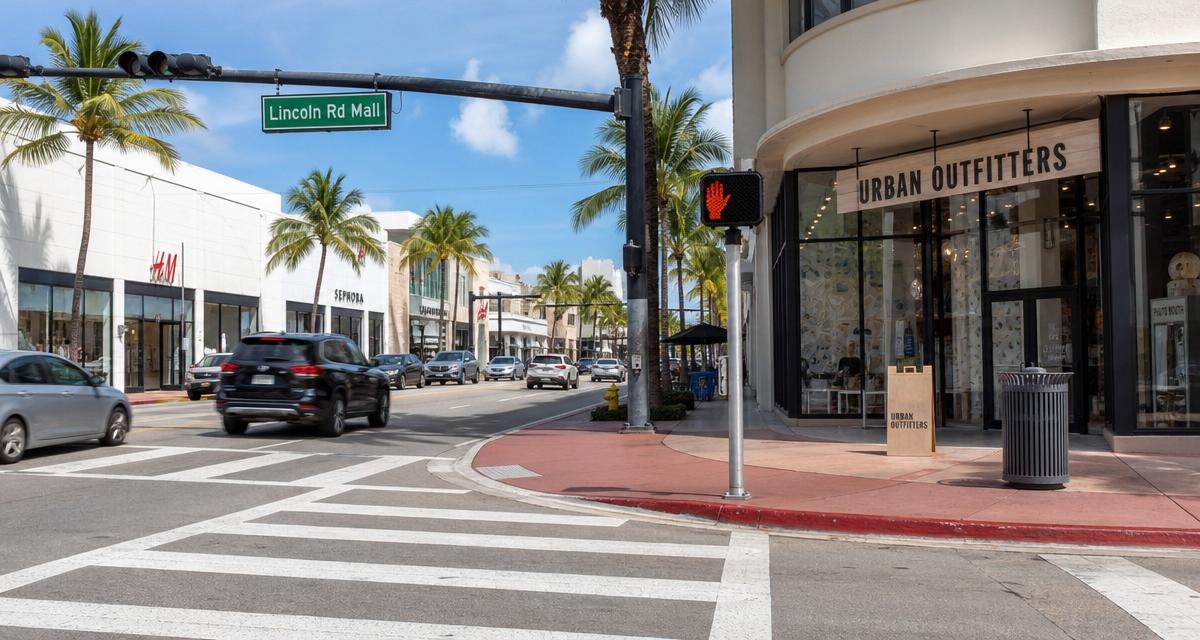
When evaluating Commercial Real Estate, one of the most common questions business owners ask is whether foot traffic or vehicle traffic is more important. The answer depends largely on the type of business, the target customer, and the property's location.
A busy intersection with thousands of passing vehicles each day may be ideal for one business, while a walkable shopping district filled with pedestrians may be a better fit for another. Understanding the difference between foot traffic and vehicle traffic can help landlords, tenants, and commercial real estate professionals evaluate a property's visibility and potential customer exposure.
This article explains how foot traffic and vehicle traffic differ, why they matter in commercial real estate, and how they influence site selection for different types of businesses.
What Is Foot Traffic?
Foot traffic refers to the number of people walking through or near a commercial property during a given period. It measures pedestrian activity rather than vehicle volume.
High foot traffic is commonly found in areas such as:
- Downtown business districts
- Shopping streets
- Lifestyle centers
- Tourist destinations
- Entertainment districts
- Mixed-use developments
- University campuses
- Transit stations
- Urban neighborhoods
Businesses that rely on walk-in customers often consider pedestrian activity an important factor when selecting commercial space.
What Is Vehicle Traffic?
Vehicle traffic refers to the number of cars traveling past a commercial property during a specific period, often measured as Average Daily Traffic (ADT) or Annual Average Daily Traffic (AADT) by transportation agencies.
High vehicle traffic is commonly found along:
- Major highways
- Arterial roads
- Busy intersections
- Commercial corridors
- Commuter routes
- Suburban retail areas
Properties with strong vehicle exposure may benefit from increased visibility to drivers, especially when combined with prominent signage.
Why Traffic Matters in Commercial Real Estate
Traffic is one of several factors that influence how visible and accessible a commercial property may be.
Whether the traffic comes from pedestrians or vehicles, it can affect:
- Brand visibility
- Customer awareness
- Convenience
- Accessibility
- Potential walk-in business
- Sign exposure
- Delivery logistics
- Employee access
However, traffic alone does not determine whether a location is suitable for a particular business.
Businesses That Often Benefit from High Foot Traffic
Certain businesses depend heavily on customers walking past their storefront.
Examples include:
- Coffee shops
- Bakeries
- Ice cream shops
- Boutique retailers
- Clothing stores
- Jewelry stores
- Convenience stores
- Quick-service restaurants
- Specialty food stores
- Bookstores
These businesses often benefit from spontaneous visits and impulse purchases made by pedestrians.
Businesses That Often Benefit from High Vehicle Traffic
Other businesses rely more on visibility to passing drivers than on pedestrian activity.
Examples include:
- Automotive dealerships
- Car washes
- Gas stations
- Drive-thru restaurants
- Tire shops
- Self-storage facilities
- Furniture stores
- Home improvement retailers
- Garden centers
- Equipment rental businesses
For these businesses, convenient vehicle access and highly visible signage may be more important than walkability.
Can a Property Have Both?
Yes.
Some commercial properties benefit from both high pedestrian and vehicle traffic.
Examples include:
- Mixed-use developments
- Urban retail corridors
- Downtown shopping districts
- Lifestyle centers
- Popular entertainment areas
- Major intersections with sidewalks and public transit
These locations may offer strong exposure to both drivers and pedestrians.
Beyond the Traffic Count
A high traffic count does not automatically mean a property is an ideal business location.
Commercial real estate professionals also evaluate factors such as:
- Visibility from the roadway
- Ease of entering and exiting the property
- Traffic speed
- Number of access points
- Parking availability
- Public transportation
- Surrounding businesses
- Neighborhood demographics
- Population density
- Nearby employers
- Residential developments
For example, a property on a road with heavy traffic may still receive limited customer visits if it is difficult to access or lacks adequate parking.
The Importance of Traffic Quality
Not all traffic is equal.
Commercial brokers often evaluate the quality of traffic rather than simply the number of people or vehicles.
Questions commonly considered include:
- Are people stopping nearby or simply passing through?
- Is the traffic consistent throughout the day?
- Does the customer profile match the business?
- Are nearby businesses generating complementary traffic?
- Is the property visible long enough for customers to notice it?
These factors can provide additional context beyond raw traffic counts.
How Traffic Influences Restaurant Locations
Restaurants often consider both pedestrian and vehicle traffic when evaluating commercial space.
For example:
- A café in a downtown business district may rely heavily on office workers walking to lunch.
- A drive-thru restaurant may prioritize visibility from a busy roadway.
- A fine dining restaurant may focus more on destination customers and parking availability than on daily traffic volume.
- A neighborhood restaurant may depend on nearby residential communities and repeat customers.
The ideal traffic pattern depends on the restaurant's concept and target audience.
How Commercial Real Estate Brokers Evaluate Traffic
Commercial Real Estate Brokers often analyze multiple factors when helping clients select a location.
These may include:
- Foot traffic patterns
- Vehicle traffic counts
- Accessibility
- Visibility
- Parking
- Demographics
- Nearby businesses
- Competition
- Population growth
- Planned developments
- Public transportation
- Consumer spending patterns
Rather than relying on a single metric, brokers typically evaluate traffic as part of a broader market analysis.
Final Thoughts
Both foot traffic and vehicle traffic play important roles in Commercial Real Estate, but neither is universally more important than the other. The ideal location depends on the type of business, its target customers, and how people are expected to access the property.
A successful commercial location is often the result of several factors working together, including visibility, accessibility, demographics, surrounding businesses, parking, and traffic patterns. By understanding the differences between pedestrian and vehicle traffic, business owners can better evaluate commercial properties and compare potential locations based on their operational needs.
Frequently Asked Questions
What is foot traffic in commercial real estate?
Foot traffic refers to the number of pedestrians walking near or through a commercial property during a specific period. It is commonly used to evaluate walk-in customer potential.
What is vehicle traffic?
Vehicle traffic measures the number of automobiles traveling past a commercial property, often reported as Average Daily Traffic (ADT) or Annual Average Daily Traffic (AADT).
Which is more important: foot traffic or vehicle traffic?
Neither is inherently more important. The value of each depends on the business type, customer behavior, location, and how customers typically access the property.
What types of businesses benefit most from foot traffic?
Businesses such as coffee shops, cafés, bakeries, boutiques, convenience stores, quick-service restaurants, and specialty retailers often benefit from high pedestrian activity.
What types of businesses benefit most from vehicle traffic?
Businesses such as gas stations, car washes, automotive dealerships, drive-thru restaurants, furniture stores, and self-storage facilities often benefit from high vehicle visibility and easy road access.
Can a commercial property have both high foot traffic and high vehicle traffic?
Yes. Many mixed-use developments, downtown districts, lifestyle centers, and busy commercial corridors provide strong exposure to both pedestrians and drivers.
How can a Commercial Real Estate Broker help evaluate traffic?
A Commercial Real Estate Broker can analyze pedestrian activity, vehicle traffic counts, accessibility, visibility, demographics, nearby businesses, and other market factors to help identify commercial properties that align with a business's location requirements.
Authoritative references for this topic
Primary government, regulatory and industry sources readers can consult directly. This article is educational and is not legal, tax, or investment advice.
- ADA Standards for Accessible Design (Places of Public Accommodation) — U.S. Department of Justice
- PortMiami Cargo and Trade Statistics — Miami-Dade County / PortMiami
- Division of Hotels and Restaurants — Licensing a Food Service Establishment — Florida Department of Business & Professional Regulation
- Florida Statutes Chapter 83 — Landlord and Tenant (Part I, Nonresidential) — The Florida Senate
Lais Same
Lais Same is a commercial real estate broker serving Miami and South Florida, representing property owners, landlords, investors, buyers, and tenants in commercial property sales, leasing, investment transactions, valuation, and market analysis. Learn more about Lais Same or discuss a commercial property.
 Commercial Real Estate Tips
Why Visibility Matters in Commercial Real Estate
Learn why visibility is a key factor in commercial real estate site selection and how it can influence brand exposure, customer awareness, and business accessibility.
 Commercial Real Estate Tips
Class A vs. Class B vs. Class C Buildings in Commercial Real Estate: Understanding the Differences
Learn the differences between Class A, Class B, and Class C commercial buildings and how these classifications are used in commercial real estate.
 Commercial Real Estate Tips
What Is a Parking Ratio in Commercial Real Estate?
Learn what a parking ratio is in commercial real estate, how it is calculated, and why parking capacity matters when leasing or buying commercial property.
Need advisory on a specific property or market?
Speak directly with Lais about your leasing, acquisition, or investment goals in South Florida.
Schedule a Consultation