Why Visibility Matters in Commercial Real Estate
Learn why visibility is a key factor in commercial real estate site selection and how it can influence brand exposure, customer awareness, and business accessibility.
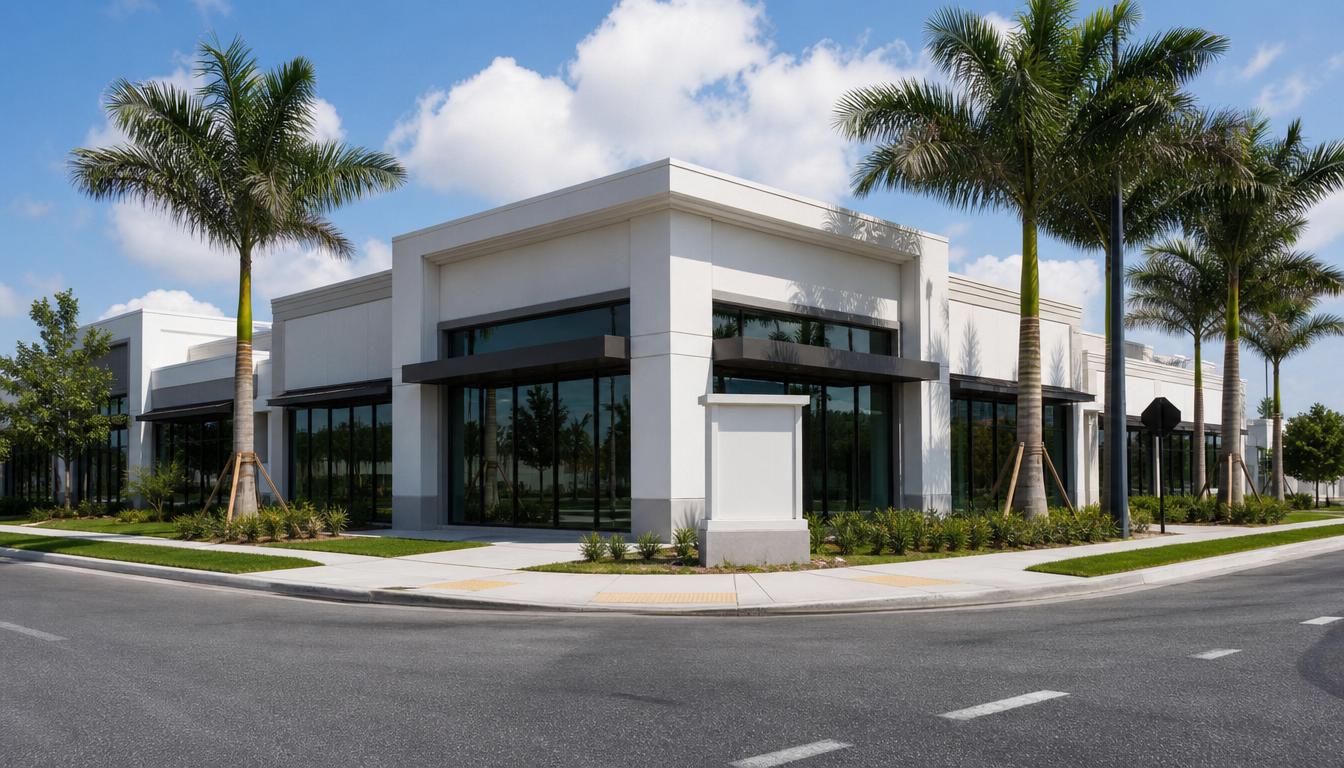
When searching for the ideal commercial property, rental rate and square footage are often the first things business owners consider. However, one factor that can significantly influence a property's exposure and accessibility is visibility. In Commercial Real Estate, a highly visible location can increase public awareness of a business, improve brand recognition, and make it easier for customers to find a property.
Whether you're leasing retail space, office space, restaurant space, medical office space, or purchasing a commercial building, understanding how visibility affects a property's appeal is an important part of evaluating commercial real estate opportunities.
This article explains what visibility means in commercial real estate, the factors that influence it, and why it is frequently considered during the site selection process.
What Is Visibility in Commercial Real Estate?
Visibility refers to how easily a commercial property can be seen and recognized by potential customers, clients, tenants, or visitors.
A property's visibility may be influenced by:
- Its location along a roadway
- Building placement
- Storefront exposure
- Signage opportunities
- Corner positioning
- Nearby buildings
- Landscaping
- Traffic patterns
- Lighting
- Streetscape design
A property that is easy to see from surrounding streets or pedestrian walkways generally has greater visibility than one hidden behind other buildings or located away from public view.
Why Visibility Matters
Visibility can play an important role in how people discover and recognize a business.
A highly visible commercial location may contribute to:
- Increased brand exposure
- Easier customer recognition
- Improved wayfinding
- Better storefront awareness
- Greater advertising value through signage
- Enhanced curb appeal
- Stronger street presence
While visibility alone does not determine business success, it is one of many characteristics evaluated when selecting commercial property.
Visibility vs. Traffic
Visibility and traffic are closely related, but they are not the same.
Traffic measures how many people or vehicles pass a property.
Visibility measures how easily those people can actually see the property.
For example:
- A building located on a busy roadway may experience high vehicle traffic but limited visibility if trees, neighboring buildings, or poor signage block the storefront.
- Another property may have slightly lower traffic counts but excellent visibility because it sits on a prominent corner with unobstructed views.
Evaluating both factors together provides a more complete picture of a property's exposure.
Features That Improve Visibility
Several physical characteristics can improve a property's visibility.
These include:
- Corner locations
- Wide road frontage
- Large storefront windows
- Prominent monument signs
- Building signage
- Minimal visual obstructions
- Attractive landscaping
- Good exterior lighting
- High-quality building design
- Direct exposure to major roads
Properties with multiple visibility features often receive greater exposure to passing pedestrians and motorists.
Businesses That Often Benefit from High Visibility
Many types of businesses value prominent commercial locations.
Examples include:
- Restaurants
- Coffee shops
- Retail stores
- Boutiques
- Medical offices
- Dental offices
- Pharmacies
- Banks
- Fitness centers
- Beauty salons
- Automotive businesses
- Hotels
These businesses often rely on customers being able to quickly identify their location.
Visibility and Signage
Signage is an important component of commercial property visibility.
Depending on the property and local regulations, businesses may have access to:
- Monument signs
- Building-mounted signs
- Window graphics
- Pylon signs
- Directional signage
- Digital displays
- Tenant directory signs
The size, placement, and permitted type of signage vary by property, municipality, and lease agreement.
Corner Locations vs. Interior Spaces
Commercial properties located on corners often receive greater visibility because they may be viewed from multiple directions.
Corner spaces may offer:
- Exposure from two streets
- Additional storefront windows
- Better signage opportunities
- Improved customer recognition
- Easier identification from intersections
Interior spaces within shopping centers may still perform well depending on factors such as anchor tenants, pedestrian flow, and overall center design.
Visibility in Shopping Centers
Within retail centers, visibility can vary significantly from one unit to another.
Factors that may influence visibility include:
- Position within the shopping center
- Distance from main entrances
- Proximity to anchor tenants
- Orientation toward parking areas
- Nearby pedestrian pathways
- Visibility from surrounding roads
Two spaces in the same shopping center can offer very different levels of exposure.
Visibility Is More Than What Drivers See
Although roadway visibility is important, pedestrian visibility can also influence a property's exposure.
Walkable commercial districts often benefit from:
- Wide sidewalks
- Outdoor dining
- Active storefronts
- Public gathering spaces
- Transit access
- Street-level retail
In these environments, businesses may receive significant exposure from people walking through the area.
Evaluating Visibility During Site Selection
Commercial Real Estate professionals often evaluate visibility alongside other important property characteristics, including:
- Vehicle traffic
- Foot traffic
- Accessibility
- Parking availability
- Demographics
- Neighboring businesses
- Competition
- Population density
- Ease of entry and exit
- Future development plans
Looking at all of these factors together provides a more complete understanding of a property's market potential.
How a Commercial Real Estate Broker Can Help
A knowledgeable Commercial Real Estate Broker can help business owners evaluate how visibility fits into the overall site selection process.
A broker may assist by:
- Identifying highly visible commercial properties.
- Comparing multiple locations.
- Evaluating storefront exposure.
- Reviewing signage opportunities.
- Analyzing traffic patterns.
- Coordinating property tours.
- Explaining commercial lease terms.
- Assisting throughout the commercial leasing or purchasing process.
Visibility is only one component of selecting commercial property, but understanding how it interacts with traffic, accessibility, and customer behavior can help businesses compare locations more effectively.
Final Thoughts
Visibility is one of the most valuable characteristics of many Commercial Real Estate properties. A location that is easy to see can enhance brand recognition, improve customer awareness, and make a business easier to locate. However, visibility should always be evaluated alongside other important factors such as traffic patterns, accessibility, parking, demographics, and lease terms.
Whether you're searching for retail space, restaurant space, office space, or another type of commercial property, understanding how visibility influences a location can provide valuable insight during the commercial real estate site selection process.
Frequently Asked Questions
What does visibility mean in commercial real estate?
Visibility refers to how easily a commercial property can be seen by pedestrians, motorists, or potential customers from surrounding streets, sidewalks, or neighboring properties.
Why is visibility important for a business?
A highly visible location may improve brand recognition, customer awareness, storefront exposure, and overall ease of finding the business. Its importance varies depending on the business type and location.
Is visibility the same as traffic?
No. Traffic measures how many people or vehicles pass a property, while visibility measures how easily the property can be seen by those passing by.
Do corner locations usually have better visibility?
In many cases, yes. Corner locations often provide exposure from multiple directions, additional storefront windows, and greater signage opportunities. However, each property should be evaluated individually.
Does signage affect visibility?
Yes. Monument signs, building-mounted signs, window graphics, and other approved signage can contribute to how easily a business is identified, subject to local regulations and lease terms.
Can an interior shopping center space still have good visibility?
Yes. Visibility inside a shopping center depends on factors such as proximity to entrances, anchor tenants, parking areas, pedestrian flow, and the overall layout of the center.
How can a Commercial Real Estate Broker help?
A Commercial Real Estate Broker can help evaluate visibility, compare locations, analyze traffic patterns, review signage opportunities, coordinate property tours, and assist throughout the commercial leasing or purchasing process.
Authoritative references for this topic
Primary government, regulatory and industry sources readers can consult directly. This article is educational and is not legal, tax, or investment advice.
- Miami 21 Zoning Code and Zoning Information — City of Miami Planning Department
- ADA Standards for Accessible Design (Places of Public Accommodation) — U.S. Department of Justice
- Division of Hotels and Restaurants — Licensing a Food Service Establishment — Florida Department of Business & Professional Regulation
- Florida Statutes Chapter 83 — Landlord and Tenant (Part I, Nonresidential) — The Florida Senate
Lais Same
Lais Same is a commercial real estate broker serving Miami and South Florida, representing property owners, landlords, investors, buyers, and tenants in commercial property sales, leasing, investment transactions, valuation, and market analysis. Learn more about Lais Same or discuss a commercial property.
 Commercial Real Estate Tips
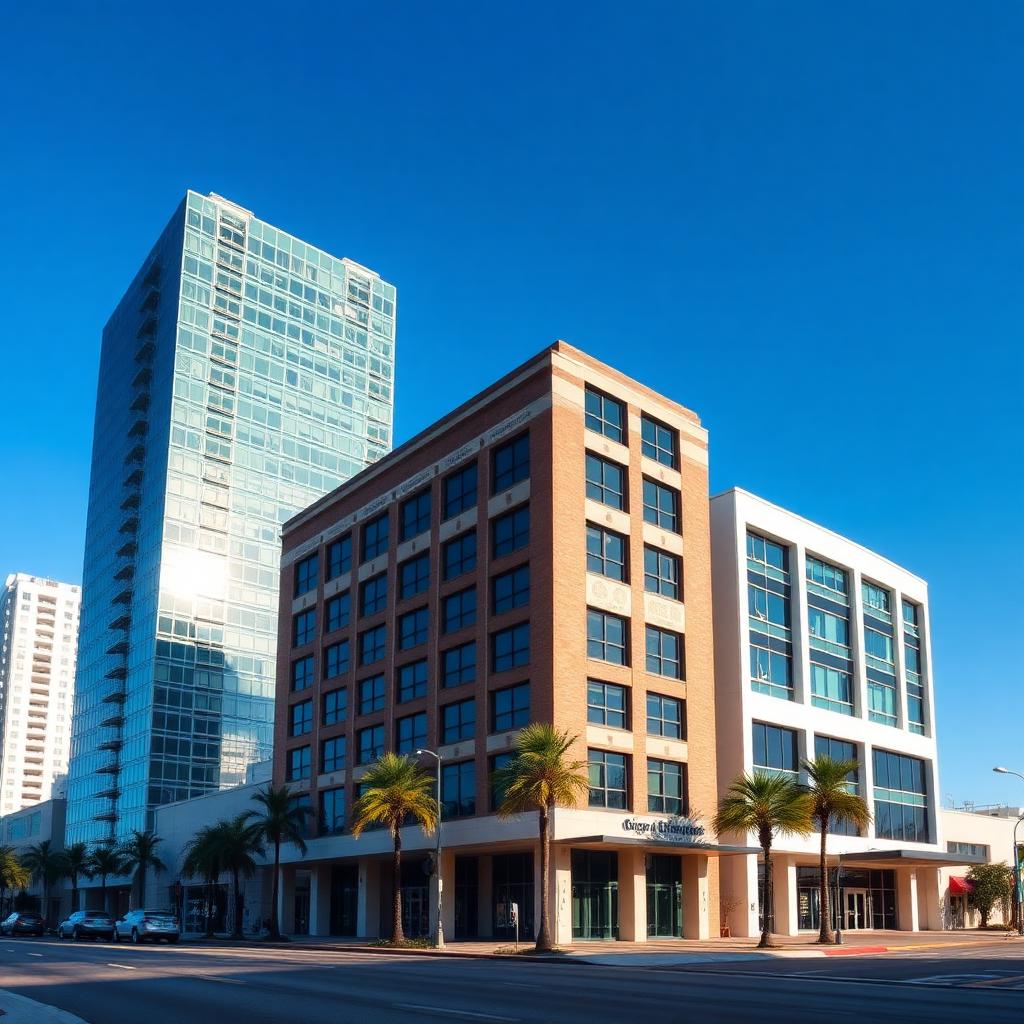
Class A vs. Class B vs. Class C Buildings in Commercial Real Estate: Understanding the Differences
Learn the differences between Class A, Class B, and Class C commercial buildings and how these classifications are used in commercial real estate.
 Commercial Real Estate Tips
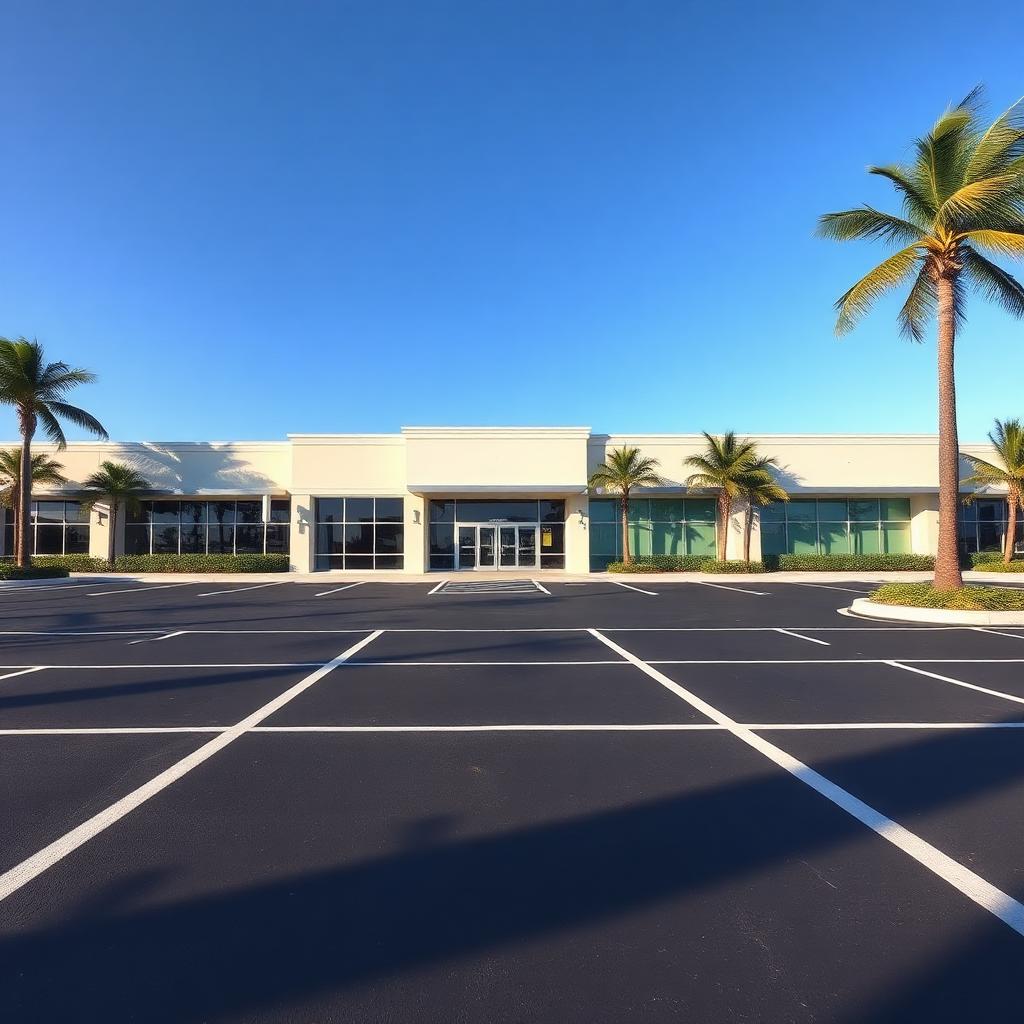
What Is a Parking Ratio in Commercial Real Estate?
Learn what a parking ratio is in commercial real estate, how it is calculated, and why parking capacity matters when leasing or buying commercial property.
 Market Reports
Miami Commercial Real Estate
Explore Miami's commercial real estate market, including property types, popular districts, lease structures, and key factors for business owners.
Need advisory on a specific property or market?
Speak directly with Lais about your leasing, acquisition, or investment goals in South Florida.
Schedule a Consultation