Miami Commercial Real Estate
Explore Miami's commercial real estate market, including property types, popular districts, lease structures, and key factors for business owners.
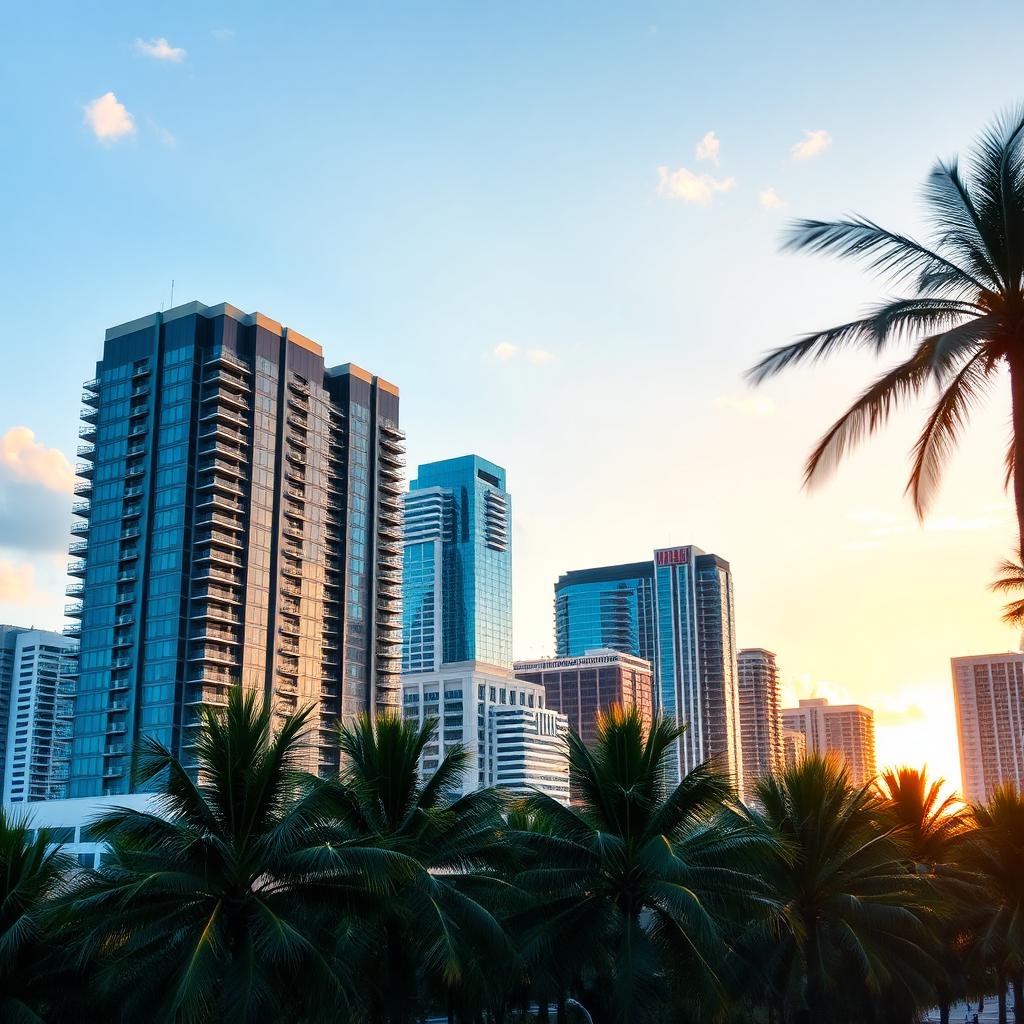
Miami has become one of the most dynamic Commercial Real Estate markets in the United States. Its strategic location, international business connections, growing population, tourism industry, and expanding economy continue to attract companies, entrepreneurs, developers, and property owners from around the world.
Whether you're searching for commercial property for lease, looking to purchase a commercial building, opening a new business, or expanding into South Florida, understanding the Miami commercial real estate market is an important first step.
This educational guide explains the different sectors of Miami Commercial Real Estate, the factors that influence the market, and what business owners commonly evaluate when searching for commercial space.
What Is Commercial Real Estate?
Commercial Real Estate (CRE) refers to properties primarily used for business purposes rather than residential living.
Common commercial property types include:
- Office buildings
- Retail spaces
- Shopping centers
- Restaurants
- Medical offices
- Industrial warehouses
- Flex space
- Mixed-use developments
- Hotels
- Multifamily investment properties
- Land for commercial development
Miami offers opportunities across all of these commercial real estate sectors.
Why Is Miami a Major Commercial Real Estate Market?
Miami has become a global business destination for several reasons.
Some of the factors that contribute to its commercial real estate market include:
- International trade
- Global tourism
- Port and airport infrastructure
- Growing population
- Diverse economy
- Strong entrepreneurial community
- Expanding technology sector
- Financial services industry
- Healthcare growth
- International investment activity
These characteristics have helped position Miami as one of the most active commercial real estate markets in the country.
Types of Commercial Properties in Miami
Business owners searching for commercial property in Miami will find a wide variety of options.
Retail Space
Retail properties include:
- Shopping centers
- Strip centers
- Lifestyle centers
- Stand-alone retail buildings
- Inline retail spaces
- Endcap units
- Restaurant spaces
Retail properties are commonly located along major commercial corridors and neighborhood shopping districts.
Office Space
Office properties range from executive suites to large corporate headquarters.
Examples include:
- Class A office buildings
- Class B office buildings
- Class C office buildings
- Medical office buildings
- Professional office suites
- Coworking spaces
Industrial Properties
Miami's industrial market supports logistics, manufacturing, warehousing, and distribution businesses.
Industrial property types include:
- Warehouses
- Distribution centers
- Flex space
- Showrooms
- Manufacturing facilities
- Cold storage facilities
Mixed-Use Developments
Mixed-use projects combine multiple property types into one development.
They may include:
- Residential units
- Retail stores
- Restaurants
- Office space
- Hotels
- Entertainment venues
Many newer developments throughout Miami incorporate mixed-use concepts.
Popular Commercial Real Estate Markets in Miami
Every neighborhood serves a different business community and customer base.
Some of Miami's most recognized commercial districts include:
Brickell
Known as Miami's financial district, Brickell features Class A office towers, luxury residential developments, restaurants, hotels, and high-end retail.
Downtown Miami
Downtown offers a combination of office buildings, government facilities, residential towers, entertainment venues, and retail businesses.
Wynwood
Wynwood has transformed into one of Miami's most recognizable commercial districts, featuring restaurants, breweries, art galleries, creative offices, boutiques, and entertainment businesses.
Coral Gables
Coral Gables is known for professional offices, luxury retail, fine dining, medical offices, and established commercial corridors.
Miami Beach
Miami Beach attracts hospitality businesses, restaurants, hotels, luxury retail, and tourism-related commercial properties.
Little Havana
Little Havana is one of Miami's most culturally significant business districts, offering restaurants, cafés, retail stores, office space, and opportunities for businesses serving both residents and visitors.
Doral
Doral is a major business hub with industrial properties, corporate offices, logistics facilities, hotels, restaurants, and retail centers.
Coconut Grove
Coconut Grove combines waterfront living with boutique retail, restaurants, office space, and mixed-use developments in one of Miami's oldest neighborhoods.
What Business Owners Look for in Commercial Space
Every business has different requirements, but many evaluate similar factors when searching for commercial property.
These often include:
- Location
- Visibility
- Foot traffic
- Vehicle traffic
- Parking ratio
- Accessibility
- Demographics
- Nearby businesses
- Lease terms
- Zoning compatibility
- Building condition
- Signage opportunities
- Future growth potential
Selecting commercial space involves balancing these factors with the operational needs of the business.
Commercial Lease Structures
Miami commercial properties commonly use several lease structures.
These include:
- Gross Lease
- Modified Gross Lease
- Triple Net (NNN) Lease
Each structure allocates operating expenses differently, making it important to understand how rent and additional costs are calculated.
Why Due Diligence Matters
Before signing a Commercial Lease Agreement or purchasing commercial property, business owners often review multiple aspects of the property.
Common due diligence items include:
- Zoning and permitted use
- Building condition
- Parking availability
- Existing improvements
- Accessibility
- Utility capacity
- Lease terms
- Common Area Maintenance (CAM)
- Property operating expenses
- Environmental considerations
- Certificate of Use or Certificate of Occupancy
The specific items reviewed vary depending on the property type and intended business use.
Why Location Is More Than an Address
A commercial property's address is only one part of its overall value.
Commercial real estate professionals also evaluate:
- Customer demographics
- Population growth
- Household income
- Employment centers
- Nearby residential communities
- Transportation access
- Public transit
- Major highways
- Complementary businesses
- Future development in the area
These factors help create a more complete picture of a property's market environment.
Working With a Commercial Real Estate Broker
Commercial real estate transactions often involve market research, lease negotiations, property comparisons, and due diligence.
A knowledgeable Commercial Real Estate Broker can assist by:
- Identifying available commercial properties
- Comparing lease and purchase opportunities
- Explaining commercial lease structures
- Coordinating property tours
- Analyzing market conditions
- Assisting with negotiations
- Facilitating communication throughout the transaction
Commercial brokers also help business owners narrow their search based on location, budget, operational requirements, and long-term business goals.
Miami's Commercial Real Estate Outlook
Miami continues to attract businesses from across the United States and internationally due to its diverse economy, strategic location, and growing population. As new developments, infrastructure improvements, and mixed-use projects continue to shape the region, the city's commercial landscape evolves alongside changing business needs.
While market conditions naturally fluctuate over time, Miami remains one of the country's most active commercial real estate markets, offering opportunities across retail, office, industrial, hospitality, and mixed-use sectors.
Final Thoughts
Miami Commercial Real Estate offers a wide range of opportunities for business owners, landlords, tenants, and commercial property buyers. From the financial towers of Brickell to the creative energy of Wynwood, the cultural appeal of Little Havana, and the logistics strength of Doral, each market provides unique advantages for different industries.
Whether you're searching for office space, restaurant space, retail space, industrial property, or a commercial building for sale, understanding market characteristics, lease structures, location factors, and due diligence considerations can help you better evaluate commercial real estate opportunities in Miami.
Frequently Asked Questions
What is commercial real estate?
Commercial real estate refers to properties primarily used for business purposes, including office buildings, retail centers, restaurants, industrial warehouses, medical offices, mixed-use developments, and other income-producing commercial properties.
Why is Miami a popular commercial real estate market?
Miami is known for its international business connections, tourism, population growth, transportation infrastructure, diverse economy, and strategic location, making it a major destination for businesses and commercial real estate activity.
What types of commercial properties are available in Miami?
Miami offers office buildings, retail spaces, shopping centers, restaurant properties, warehouses, industrial facilities, mixed-use developments, medical offices, hotels, and commercial land.
Which Miami neighborhoods are popular for commercial real estate?
Well-known commercial markets include Brickell, Downtown Miami, Wynwood, Coral Gables, Miami Beach, Little Havana, Doral, Coconut Grove, Midtown Miami, the Design District, and the Airport West submarket. Each area serves different industries and customer demographics.
What factors should businesses consider when leasing commercial property?
Common considerations include location, visibility, accessibility, parking, demographics, lease structure, zoning compatibility, building condition, nearby businesses, and operating expenses.
What are the most common commercial lease types?
The most common lease structures include Gross Leases, Modified Gross Leases, and Triple Net (NNN) Leases. Each allocates operating expenses differently.
How can a Commercial Real Estate Broker help?
A Commercial Real Estate Broker can identify available properties, compare locations, explain lease structures, coordinate property tours, negotiate business terms, provide market insight, and assist throughout the commercial leasing or purchasing process.
Authoritative references for this topic
Primary government, regulatory and industry sources readers can consult directly. This article is educational and is not legal, tax, or investment advice.
- Miami 21 Zoning Code and Zoning Information — City of Miami Planning Department
- ADA Standards for Accessible Design (Places of Public Accommodation) — U.S. Department of Justice
- Florida Sales Tax on Commercial Real Property Rentals — Florida Department of Revenue
- PortMiami Cargo and Trade Statistics — Miami-Dade County / PortMiami
Lais Same
Lais Same is a commercial real estate broker serving Miami and South Florida, representing property owners, landlords, investors, buyers, and tenants in commercial property sales, leasing, investment transactions, valuation, and market analysis. Learn more about Lais Same or discuss a commercial property.
 Leasing
Renewal Options in Commercial Leases: What Every Business Owner Should Know Before Signing
Understand how renewal options work in commercial leases, common terms, notice requirements, rent structures, and why they matter for long-term business occupancy.
 Buying
How to Buy a Commercial Property in Florida: A Step-by-Step Guide
Learn the general steps involved in purchasing commercial property in Florida, from defining objectives and budgeting to due diligence, financing, and closing.
 Buying
Owner-Occupied Commercial Real Estate: What It Is and How It Works
Learn what owner-occupied commercial real estate is, the types of properties businesses commonly purchase, and key factors to evaluate before buying.
Need advisory on a specific property or market?
Speak directly with Lais about your leasing, acquisition, or investment goals in South Florida.
Schedule a Consultation