How to Buy a Commercial Property in Florida: A Step-by-Step Guide
Learn the general steps involved in purchasing commercial property in Florida, from defining objectives and budgeting to due diligence, financing, and closing.
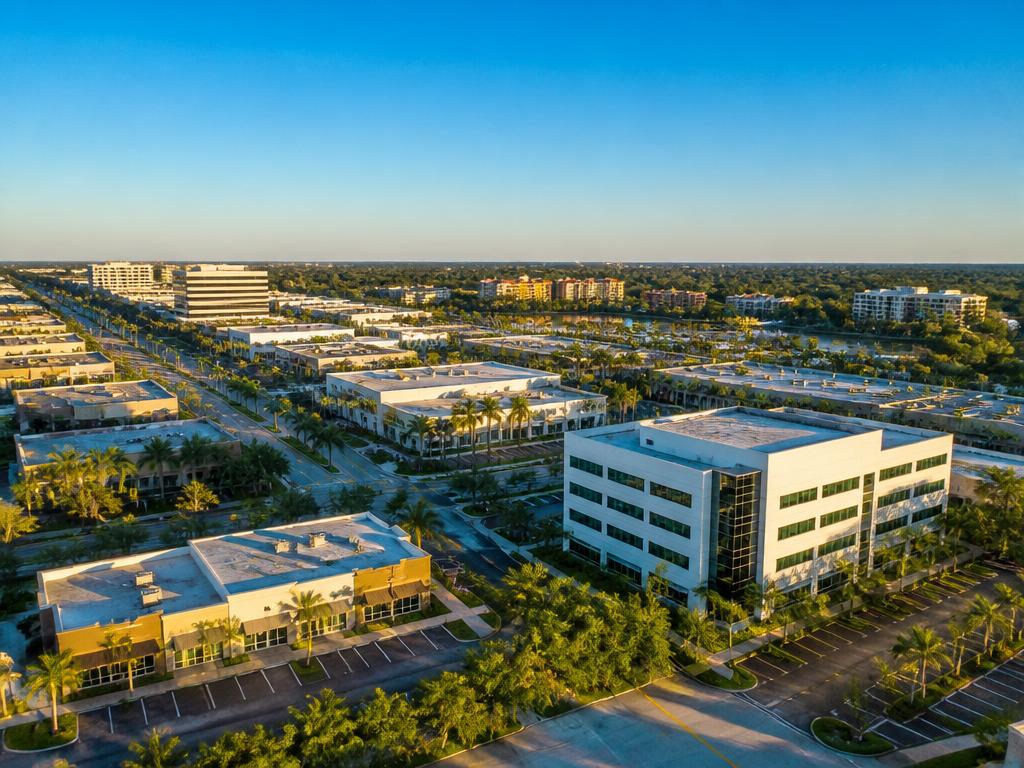
Buying a commercial property in Florida is very different from purchasing a residential home. Whether you're looking for a retail space, office building, warehouse, industrial property, restaurant, medical office, shopping center, or commercial land, the process typically involves additional research, due diligence, and negotiations.
Florida continues to be one of the nation's most active Commercial Real Estate markets due to its growing population, expanding economy, business-friendly environment, and strong tourism industry. Cities such as Miami, Orlando, Tampa, Jacksonville, Fort Lauderdale, Naples, and West Palm Beach attract businesses from across the United States and around the world.
This guide explains the general steps involved in purchasing a commercial property in Florida and highlights the factors that buyers commonly evaluate throughout the acquisition process.
What Is Commercial Real Estate?
Commercial Real Estate (CRE) refers to property used primarily for business or income-producing purposes rather than personal residential use.
Common commercial property types include:
- Retail spaces
- Office buildings
- Shopping centers
- Restaurants
- Medical offices
- Warehouses
- Industrial buildings
- Multifamily apartment properties
- Mixed-use developments
- Hotels
- Commercial land for development
Each property type has different characteristics, operational requirements, and market considerations.
Step 1: Define Your Business or Investment Objectives
Before beginning a property search, buyers typically establish clear objectives for the purchase.
Questions often considered include:
- What type of commercial property is needed?
- What size building will support the intended use?
- Which geographic areas are preferred?
- Will the property be owner-occupied or leased to tenants?
- What operational features are important?
- What parking requirements are necessary?
- Is future expansion a consideration?
Clearly identifying these priorities helps narrow the search and compare properties more effectively.
Step 2: Determine Your Budget
Commercial properties vary significantly in price depending on:
- Location
- Property type
- Building size
- Land size
- Market conditions
- Existing improvements
- Occupancy status
- Age and condition
Buyers often evaluate both the purchase price and the ongoing operating costs associated with ownership, such as maintenance, insurance, taxes, utilities, and property management where applicable.
Step 3: Search for Commercial Properties
Commercial properties may be marketed through a variety of channels.
Examples include:
- Commercial Real Estate brokers
- Commercial Multiple Listing Services (MLS), where available
- Commercial real estate marketing platforms
- Brokerage websites
- Property owners
- Off-market opportunities
Available inventory changes frequently, making local market knowledge an important part of the search process.
Step 4: Evaluate the Property's Location
Location is one of the most important considerations in Commercial Real Estate.
Depending on the intended use, buyers commonly evaluate:
- Customer demographics
- Visibility
- Vehicle traffic
- Foot traffic
- Accessibility
- Parking ratio
- Nearby businesses
- Public transportation
- Major highways
- Population growth
- Employment centers
- Future development in the surrounding area
The ideal location varies depending on the business or property type.
Step 5: Review Zoning and Permitted Uses
Before purchasing commercial property in Florida, buyers commonly verify that the intended use aligns with the property's zoning and applicable local land development regulations.
Depending on the municipality, zoning may address:
- Permitted business uses
- Building height
- Parking requirements
- Setbacks
- Density
- Outdoor storage
- Signage
- Landscaping
Because zoning regulations differ among Florida cities and counties, requirements vary by jurisdiction.
Step 6: Perform Due Diligence
Due diligence is one of the most important phases of a commercial real estate transaction.
The scope of due diligence varies depending on the property and its intended use, but buyers commonly review items such as:
- Property survey
- Title information
- Existing leases (if applicable)
- Building condition
- Roof and structural components
- Mechanical systems
- Environmental reports
- Flood zone information
- Utility availability
- Parking
- Accessibility
- Zoning
- Certificate of Occupancy or Certificate of Use, where applicable
- Operating expenses
- Property income and occupancy, if the property has tenants
The specific investigations depend on the type of commercial property being acquired.
Step 7: Understand the Purchase Contract
Once a buyer and seller agree on the principal business terms, those terms are documented in a purchase agreement.
Commercial real estate contracts commonly address:
- Purchase price
- Earnest money deposit
- Inspection or due diligence period
- Closing date
- Property included in the sale
- Representations and disclosures
- Closing procedures
Commercial contracts are individually negotiated and vary from transaction to transaction.
Step 8: Financing the Purchase
Some commercial property purchases involve financing, while others are completed with cash.
Commercial financing may differ from residential lending in several ways, including underwriting standards, loan terms, required documentation, and property evaluation criteria.
The financing process generally occurs alongside due diligence and continues through closing if financing is part of the transaction.
Step 9: Closing the Transaction
After contractual conditions have been satisfied, the transaction proceeds to closing.
Closing commonly includes:
- Final document review
- Transfer of ownership
- Payment of the purchase price
- Recording of applicable documents
- Delivery of keys or access information
- Transfer of leases, if applicable
The closing process may vary depending on the property and the terms negotiated by the parties.
Common Types of Commercial Properties Purchased in Florida
Florida offers a diverse range of commercial property opportunities.
Examples include:
Retail Properties
Storefronts, restaurants, shopping centers, and retail plazas serving local communities and visitors.
Office Buildings
Professional office buildings, medical offices, executive suites, and corporate headquarters.
Industrial Properties
Warehouses, manufacturing facilities, logistics centers, distribution buildings, and flex space.
Multifamily Properties
Apartment communities and residential rental properties commonly classified as commercial based on size and ownership structure.
Development Land
Vacant or underutilized parcels suitable for future commercial, mixed-use, industrial, or multifamily development, subject to applicable regulations.
Why Work With a Commercial Real Estate Broker?
Commercial real estate transactions often involve extensive market research, property analysis, negotiations, and coordination among multiple parties.
A knowledgeable Commercial Real Estate Broker may assist by:
- Identifying available commercial properties.
- Comparing properties that meet specific business needs.
- Explaining market conditions.
- Coordinating property tours.
- Assisting with negotiations.
- Facilitating communication among buyers, sellers, lenders, inspectors, and other professionals.
- Providing insight into local commercial real estate markets.
Because every transaction is unique, brokers help guide clients through the commercial property acquisition process from the initial search through closing.
Final Thoughts
Buying a commercial property in Florida involves more than selecting a building that fits your business needs. Factors such as location, zoning, due diligence, financing, market conditions, and the purchase agreement all contribute to the overall transaction.
Whether you're purchasing a retail space, office building, warehouse, industrial property, medical office, shopping center, mixed-use property, or commercial land, understanding the general steps involved can help you become more familiar with the commercial real estate buying process.
As Florida continues to experience population growth, business expansion, and economic development, commercial real estate remains an important part of the state's business landscape.
Frequently Asked Questions
What is considered commercial property in Florida?
Commercial property generally includes office buildings, retail spaces, shopping centers, restaurants, warehouses, industrial facilities, multifamily apartment properties, mixed-use developments, hotels, and commercial development land.
What is due diligence when buying commercial property?
Due diligence is the period during which buyers commonly review property information such as surveys, title documents, zoning, leases, building condition, environmental reports, operating expenses, and other relevant materials before the transaction moves toward closing.
Why is zoning important?
Zoning regulations establish how property may generally be used and can address permitted uses, parking requirements, building height, setbacks, signage, and other development standards. Requirements vary among Florida municipalities.
Can commercial property be purchased with financing?
Yes. Some commercial property purchases involve financing, while others are cash transactions. Commercial lending typically differs from residential financing in its underwriting process and documentation requirements.
What types of commercial properties are most common in Florida?
Common property types include retail centers, office buildings, warehouses, industrial facilities, multifamily apartment properties, mixed-use developments, restaurants, hotels, and commercial land.
What happens at a commercial real estate closing?
Closing generally includes completing required documentation, transferring ownership, recording applicable documents, exchanging funds, and delivering possession or access according to the purchase agreement.
How can a Commercial Real Estate Broker help?
A Commercial Real Estate Broker can help identify available properties, compare opportunities, explain market conditions, coordinate property tours, assist with negotiations, facilitate communication among the parties, and guide clients through the commercial property acquisition process.
Authoritative references for this topic
Primary government, regulatory and industry sources readers can consult directly. This article is educational and is not legal, tax, or investment advice.
- Uniform Standards of Professional Appraisal Practice (USPAP) — The Appraisal Foundation
- All Appropriate Inquiries for Commercial Property Environmental Due Diligence — U.S. Environmental Protection Agency
- Miami 21 Zoning Code and Zoning Information — City of Miami Planning Department
- FEMA Flood Map Service Center — U.S. Federal Emergency Management Agency
Lais Same
Lais Same is a commercial real estate broker serving Miami and South Florida, representing property owners, landlords, investors, buyers, and tenants in commercial property sales, leasing, investment transactions, valuation, and market analysis. Learn more about Lais Same or discuss a commercial property.
 Buying
Owner-Occupied Commercial Real Estate: What It Is and How It Works
Learn what owner-occupied commercial real estate is, the types of properties businesses commonly purchase, and key factors to evaluate before buying.
 Restaurant Real Estate
Restaurant Ventilation and Hood Requirements
Learn what commercial kitchen hoods are, why ventilation matters, the difference between Type I and Type II hoods, and what to review when leasing restaurant space.
 Restaurant Real Estate
Outdoor Seating for Restaurants in Commercial Real Estate: What Business Owners Should Know
Learn how outdoor seating fits into commercial real estate, common considerations for restaurant properties, and why it matters during the leasing process.
Need advisory on a specific property or market?
Speak directly with Lais about your leasing, acquisition, or investment goals in South Florida.
Schedule a Consultation