Restaurant Ventilation and Hood Requirements
Learn what commercial kitchen hoods are, why ventilation matters, the difference between Type I and Type II hoods, and what to review when leasing restaurant space.
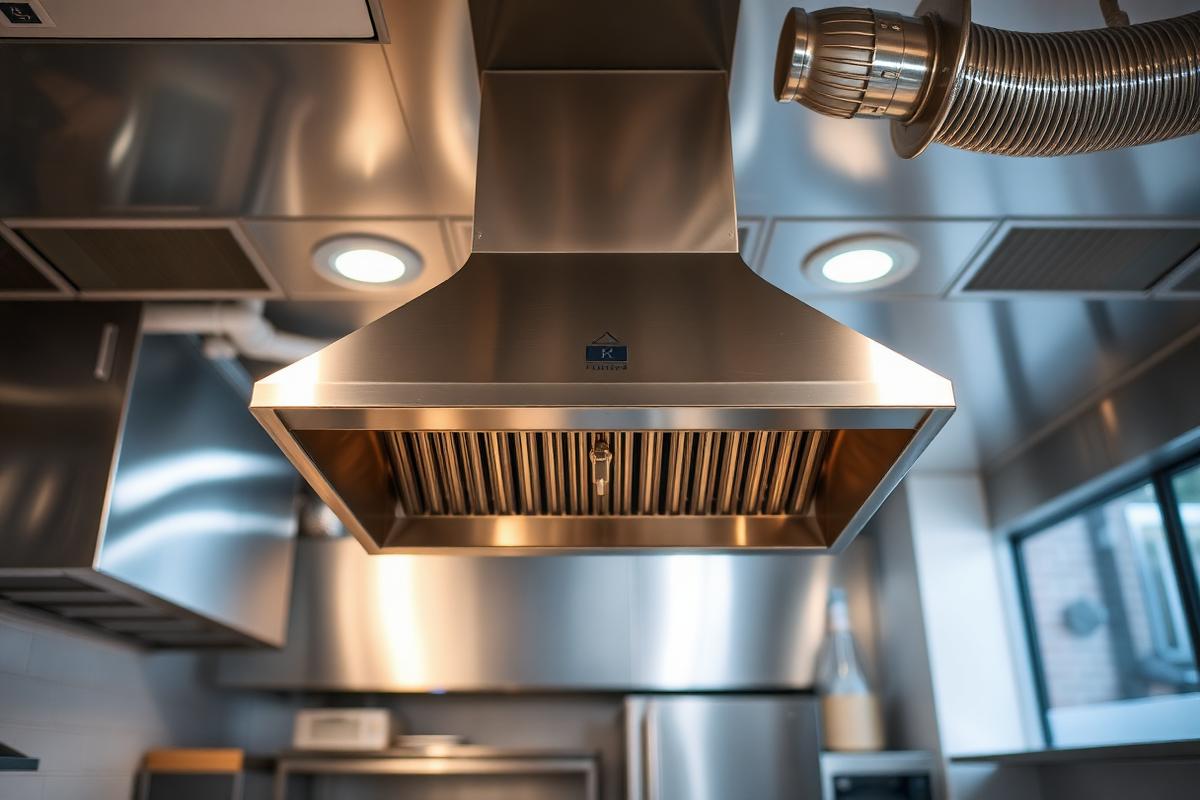
When searching for a restaurant space for lease or purchasing a restaurant property, one of the most important building features to evaluate is the kitchen's ventilation system and commercial hood. These systems are essential components of many restaurant kitchens and are often among the most expensive improvements within a food service establishment.
Whether you're leasing a second-generation restaurant, building a new restaurant from the ground up, or renovating an existing commercial space, understanding how ventilation and hood systems function can help you better understand the requirements associated with restaurant properties in Commercial Real Estate.
This article explains what commercial kitchen hoods are, why ventilation systems are important, the different types of hoods commonly found in restaurants, and the factors typically reviewed when evaluating restaurant space.
What Is a Commercial Kitchen Hood?
A commercial kitchen hood, also known as an exhaust hood or range hood, is a ventilation system installed above commercial cooking equipment to capture and remove heat, smoke, grease, steam, cooking vapors, and airborne contaminants generated during food preparation.
The hood works together with exhaust fans, ductwork, and other ventilation components to help move air from the kitchen to the exterior of the building.
Commercial hood systems are commonly found above equipment such as:
- Fryers
- Grills
- Charbroilers
- Flat-top grills
- Woks
- Ovens
- Ranges
- Salamanders
- Some pizza ovens
The type of cooking equipment used often influences the type of ventilation system installed.
Why Is Ventilation Important in Restaurants?
Restaurant kitchens generate significant amounts of heat, smoke, grease, moisture, and cooking byproducts.
A properly designed ventilation system helps manage these conditions by:
- Removing smoke from the kitchen
- Capturing grease-laden vapors
- Reducing heat buildup
- Improving air circulation
- Helping maintain indoor air quality
- Supporting a more comfortable kitchen environment
- Directing exhaust safely outside the building
Ventilation systems are an important part of the overall design of many commercial kitchens.
Common Types of Commercial Kitchen Hoods
The type of hood installed depends largely on the cooking equipment and menu concept.
Type I Hood
A Type I hood is generally used over cooking equipment that produces grease and smoke.
It is commonly installed above:
- Deep fryers
- Charbroilers
- Grills
- Woks
- Flat-top grills
- Commercial ranges
These systems are designed to capture grease-laden vapors generated during cooking.
Type II Hood
A Type II hood is generally used over equipment that primarily produces heat, steam, or moisture rather than grease.
Examples include:
- Dishwashing equipment
- Steamers
- Certain ovens
- Pasta cookers
Type II hoods are not intended for grease-producing cooking equipment.
Components of a Commercial Ventilation System
A restaurant ventilation system typically includes several interconnected components.
These may include:
- Hood canopy
- Grease filters
- Exhaust fan
- Makeup air system
- Ductwork
- Roof exhaust
- Fire suppression system
- Control switches
Each component serves a specific function within the overall ventilation system.
What Is a Makeup Air System?
When an exhaust fan removes large amounts of air from a commercial kitchen, replacement air is often introduced through a makeup air system.
This system helps maintain balanced air pressure inside the building by supplying fresh air to replace the air being exhausted.
Proper air balance contributes to the efficient operation of the ventilation system and overall occupant comfort.
Fire Suppression Systems
Many commercial kitchen hood systems include an integrated automatic fire suppression system designed to respond to certain types of kitchen fires.
These systems commonly include:
- Detection devices
- Suppressant nozzles
- Control mechanisms
- Manual activation components
Fire suppression systems are generally separate from the building's sprinkler system and are specifically designed for commercial cooking operations.
Why Hood Systems Matter When Leasing Restaurant Space
One of the first questions many prospective restaurant tenants ask is:
"Does the space already have a hood?"
A second-generation restaurant that already includes a commercial hood, grease duct, exhaust fan, makeup air system, and related infrastructure may differ significantly from a space that has never been used as a restaurant.
Existing restaurant improvements may include:
- Commercial kitchen hood
- Grease trap or grease interceptor
- Gas service
- Three-compartment sink
- Floor drains
- Walk-in cooler
- Walk-in freezer
- Fire suppression system
- Existing utility connections
The existing improvements vary from property to property.
Can Every Commercial Space Be Converted Into a Restaurant?
Not necessarily.
The suitability of a commercial space for restaurant use depends on many factors, including:
- Building design
- Structural capacity
- Roof configuration
- Ventilation routing
- Utility availability
- Local zoning
- Building systems
- Existing improvements
- Property restrictions
- Applicable building and fire code requirements
Some commercial buildings are more readily adapted for restaurant use than others.
What Is a Second-Generation Restaurant?
A second-generation restaurant is a commercial space that was previously occupied by another restaurant and already contains some or all of the infrastructure commonly required for food service operations.
These spaces may include:
- Existing hood systems
- Grease traps
- Kitchen equipment
- Dining areas
- Bar areas
- Utility upgrades
- Commercial flooring
Because the level of existing improvements varies, every second-generation restaurant should be evaluated individually.
Due Diligence When Evaluating Restaurant Space
During the due diligence process, restaurant operators commonly review many aspects of a property's kitchen infrastructure.
Examples include:
- Existing hood system
- Ventilation equipment
- Exhaust fan location
- Makeup air system
- Fire suppression equipment
- Utility capacity
- Gas service
- Electrical service
- Grease trap or interceptor
- Plumbing systems
- Building condition
- Accessibility
- Parking
- Zoning compatibility
The scope of due diligence depends on the specific property and intended restaurant concept.
The Role of a Commercial Real Estate Broker
Finding the right restaurant location involves more than simply locating available space.
A knowledgeable Commercial Real Estate Broker can assist by:
- Identifying restaurant properties that fit a specific concept.
- Locating second-generation restaurant opportunities.
- Comparing commercial lease options.
- Coordinating property tours.
- Explaining common restaurant property terminology.
- Facilitating communication between landlords and prospective tenants.
- Assisting throughout the commercial leasing or purchasing process.
Commercial brokers often help restaurant operators identify properties that already include improvements compatible with food service operations.
Final Thoughts
Ventilation systems and commercial kitchen hoods are fundamental components of many restaurant properties. Whether leasing a restaurant space, purchasing a commercial building, or evaluating a second-generation restaurant, understanding these systems provides valuable insight into how restaurant spaces are designed and operated.
Because every restaurant concept has unique operational requirements, ventilation systems vary depending on the cooking equipment, building design, and applicable codes and regulations. Understanding the basic components of commercial kitchen ventilation can help business owners become more familiar with one of the most important features of restaurant Commercial Real Estate.
Frequently Asked Questions
What is a commercial kitchen hood?
A commercial kitchen hood is a ventilation system installed above cooking equipment to capture and remove heat, smoke, grease, steam, and cooking vapors generated during food preparation.
What is the difference between a Type I and Type II hood?
A Type I hood is generally used over grease-producing cooking equipment such as fryers and grills. A Type II hood is generally used over equipment that primarily produces heat, steam, or moisture rather than grease.
Why is ventilation important in restaurant properties?
Ventilation systems help remove smoke, heat, grease-laden vapors, and cooking byproducts while improving air circulation and supporting the operation of a commercial kitchen.
What is a makeup air system?
A makeup air system supplies replacement air to a commercial kitchen after air has been exhausted through the hood system, helping maintain balanced air pressure within the building.
What is a second-generation restaurant?
A second-generation restaurant is a commercial space previously occupied by another restaurant that already contains some or all of the infrastructure commonly associated with food service operations, such as hood systems, grease traps, and utility connections.
Can every commercial space be used as a restaurant?
No. The suitability of a commercial space for restaurant use depends on factors such as building design, utility capacity, ventilation, zoning, existing improvements, and applicable building and fire code requirements.
How can a Commercial Real Estate Broker help?
A Commercial Real Estate Broker can help identify restaurant properties, locate second-generation restaurant opportunities, compare lease options, coordinate property tours, explain restaurant-related commercial real estate terminology, and assist throughout the commercial leasing or purchasing process.
Authoritative references for this topic
Primary government, regulatory and industry sources readers can consult directly. This article is educational and is not legal, tax, or investment advice.
- Miami 21 Zoning Code and Zoning Information — City of Miami Planning Department
- ADA Standards for Accessible Design (Places of Public Accommodation) — U.S. Department of Justice
- Division of Hotels and Restaurants — Licensing a Food Service Establishment — Florida Department of Business & Professional Regulation
- Florida Statutes Chapter 83 — Landlord and Tenant (Part I, Nonresidential) — The Florida Senate
Lais Same
Lais Same is a commercial real estate broker serving Miami and South Florida, representing property owners, landlords, investors, buyers, and tenants in commercial property sales, leasing, investment transactions, valuation, and market analysis. Learn more about Lais Same or discuss a commercial property.
 Restaurant Real Estate
Outdoor Seating for Restaurants in Commercial Real Estate: What Business Owners Should Know
Learn how outdoor seating fits into commercial real estate, common considerations for restaurant properties, and why it matters during the leasing process.
 Restaurant Real Estate
Restaurant Due Diligence When Leasing Commercial Space
Learn what restaurant due diligence involves, why it matters, and the key areas restaurant operators commonly review before signing a commercial lease.
 Restaurant Real Estate
Restaurant Lease Checklist: What to Review Before Leasing Commercial Space
Use this practical restaurant lease checklist to evaluate location, kitchen infrastructure, zoning, parking, lease terms, and due diligence before signing a commercial lease.
Need advisory on a specific property or market?
Speak directly with Lais about your leasing, acquisition, or investment goals in South Florida.
Schedule a Consultation