Restaurant Due Diligence When Leasing Commercial Space
Learn what restaurant due diligence involves, why it matters, and the key areas restaurant operators commonly review before signing a commercial lease.
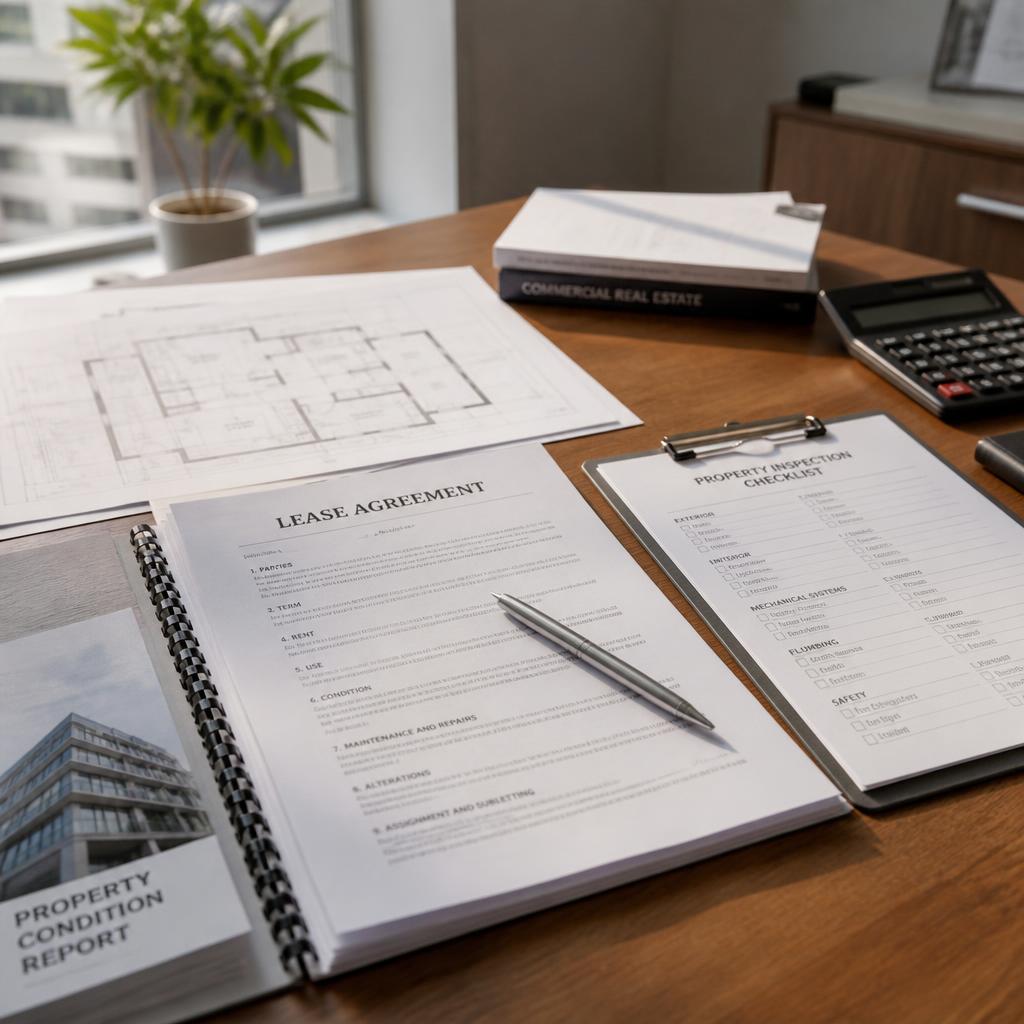
Leasing a restaurant space involves much more than negotiating rent and signing a Commercial Lease Agreement. Before committing to a restaurant space for lease, business owners typically conduct a thorough due diligence process to better understand the property's physical condition, operational capabilities, and suitability for their restaurant concept.
Whether you're leasing a second-generation restaurant, a retail space, or a commercial property that will be converted into a restaurant, performing due diligence is an important part of the Commercial Real Estate leasing process.
This article explains what restaurant due diligence is, why it matters, and the key areas that restaurant operators commonly review before entering into a commercial lease.
What Is Due Diligence?
In Commercial Real Estate, due diligence refers to the period during which a prospective tenant reviews information about a property before becoming fully committed under a lease agreement.
The purpose of due diligence is to better understand the property's characteristics, existing improvements, and any factors that may affect the intended business operation.
The scope of due diligence varies depending on the property, the restaurant concept, and the terms negotiated in the lease.
Why Restaurant Due Diligence Is Important
Restaurants have unique operational requirements that differ from many other commercial businesses.
Unlike a typical office or retail store, restaurants often require specialized infrastructure such as:
- Commercial kitchen ventilation
- Grease traps or grease interceptors
- Gas service
- Floor drains
- Adequate electrical capacity
- Plumbing systems
- Fire suppression equipment
- Outdoor dining areas
- Delivery access
- Customer parking
Understanding whether these features already exist—or whether they may need modifications—is a common part of evaluating restaurant space.
Evaluate the Property's Location
Location is one of the first considerations when leasing restaurant space.
Business owners commonly review:
- Visibility from major roads
- Vehicle traffic
- Foot traffic
- Nearby businesses
- Residential neighborhoods
- Office populations
- Tourism activity
- Customer accessibility
- Public transportation
- Major intersections
The ideal location often depends on the restaurant's concept, target customers, and hours of operation.
Verify Zoning and Permitted Use
Before leasing a commercial property, restaurant operators commonly confirm that restaurant use is generally permitted under the applicable local zoning regulations.
Depending on the municipality, zoning regulations may address:
- Permitted uses
- Outdoor seating
- Drive-thru operations
- Alcohol-related uses
- Parking requirements
- Building setbacks
- Signage
- Hours of operation
Because zoning regulations vary by city and county, requirements differ by location.
Inspect Existing Restaurant Infrastructure
One of the most important parts of restaurant due diligence is evaluating the property's existing infrastructure.
Items commonly reviewed include:
- Commercial hood system
- Exhaust ventilation
- Makeup air system
- Fire suppression system
- Grease trap or grease interceptor
- Gas service
- Water supply
- Sewer connections
- Electrical service
- Plumbing
- HVAC systems
- Walk-in cooler
- Walk-in freezer
- Floor drains
Existing restaurant improvements vary significantly from one property to another.
Determine Whether It Is a Second-Generation Restaurant
A second-generation restaurant is a commercial space that was previously occupied by another restaurant.
These spaces may already contain:
- Commercial kitchen equipment
- Hood systems
- Grease traps
- Utility upgrades
- Dining areas
- Bar areas
- Existing kitchen layouts
While these improvements may reduce the amount of work required before opening, every property should be evaluated individually to determine its condition and compatibility with the intended restaurant concept.
Review Parking and Accessibility
Parking is an important factor for many restaurant businesses.
Restaurant operators commonly review:
- Parking ratio
- Customer parking
- Employee parking
- Accessible parking spaces
- Delivery vehicle access
- Traffic circulation
- Shared parking arrangements
Convenient access can influence both customer experience and day-to-day operations.
Evaluate the Lease Terms
During due diligence, restaurant operators often review the commercial lease carefully.
Topics commonly evaluated include:
- Lease term
- Renewal options
- Rent commencement
- Rent increases
- Common Area Maintenance (CAM) charges
- Security deposit
- Tenant improvement provisions
- Maintenance responsibilities
- Outdoor seating rights
- Signage
- Exclusive use clauses
- Assignment and sublease provisions
Every commercial lease is unique, and its specific terms are negotiated between the parties.
Understand Utility Capacity
Restaurants often require greater utility capacity than many other businesses.
Commercial properties may be evaluated for:
- Electrical service
- Gas availability
- Water capacity
- Sewer connections
- HVAC capacity
- Internet and telecommunications infrastructure
Utility requirements vary depending on the restaurant's equipment and operations.
Review Building Condition
The overall condition of the property is another important consideration.
Items commonly reviewed include:
- Roof
- HVAC equipment
- Electrical systems
- Plumbing
- Structural components
- Flooring
- Restrooms
- Kitchen areas
- Dining areas
- Building accessibility
The extent of any inspection depends on the property and the lease agreement.
Consider Outdoor Seating Opportunities
For many restaurant concepts, outdoor dining is an attractive feature.
Business owners commonly review:
- Existing patios
- Courtyards
- Sidewalk seating
- Shared outdoor areas
- Available space
- Accessibility
- Property layout
Whether outdoor seating is available depends on the property design, lease provisions, and applicable local regulations.
Understand Delivery and Service Access
Restaurant operations often require regular deliveries of food, beverages, and supplies.
Commercial properties may be evaluated for:
- Loading areas
- Rear service entrances
- Delivery routes
- Trash collection areas
- Grease waste servicing
- Storage access
Efficient service access can contribute to smoother day-to-day restaurant operations.
Work With Experienced Professionals
Restaurant leasing often involves coordination among several professionals throughout the transaction.
Depending on the project, these professionals may include:
- Commercial Real Estate Brokers
- Architects
- Engineers
- Contractors
- Inspectors
- Attorneys
- Lenders
- Design consultants
Each professional may contribute expertise related to different aspects of the leasing process.
The Role of a Commercial Real Estate Broker
A knowledgeable Commercial Real Estate Broker can help restaurant operators identify properties that align with their business goals and operational requirements.
A broker may assist by:
- Identifying available restaurant spaces.
- Locating second-generation restaurant opportunities.
- Comparing commercial lease options.
- Coordinating property tours.
- Explaining common commercial lease terminology.
- Discussing market conditions.
- Facilitating communication between landlords and prospective tenants.
- Assisting throughout the commercial leasing process.
Restaurant properties often have specialized requirements, making market knowledge an important part of the site selection process.
Final Thoughts
Restaurant due diligence is an essential part of leasing Commercial Real Estate. Before signing a lease, restaurant operators commonly review the property's location, zoning, existing infrastructure, ventilation systems, grease trap, utilities, parking, accessibility, building condition, lease terms, and operational features to better understand whether the space aligns with their business concept.
Because every restaurant property is unique, the due diligence process varies depending on the building, the proposed use, and the terms of the lease agreement. Taking the time to understand the property's characteristics helps business owners become more familiar with the many factors that influence successful restaurant site selection.
Frequently Asked Questions
What is restaurant due diligence?
Restaurant due diligence is the process of reviewing a commercial property before entering into a lease to better understand its condition, infrastructure, operational capabilities, and suitability for a restaurant business.
Why is due diligence important when leasing restaurant space?
Restaurants have specialized operational requirements, including commercial kitchens, ventilation systems, grease traps, utility capacity, and customer parking. Due diligence helps identify these and other property characteristics before the lease begins.
What should restaurant owners inspect during due diligence?
Common items include the commercial hood, exhaust ventilation, makeup air system, fire suppression system, grease trap, electrical service, plumbing, HVAC systems, gas service, building condition, parking, and accessibility.
What is a second-generation restaurant?
A second-generation restaurant is a commercial space previously occupied by another restaurant that already contains some or all of the infrastructure commonly required for food service operations.
Why should zoning be reviewed before leasing a restaurant?
Local zoning regulations may govern whether restaurant use is permitted and may also address parking requirements, outdoor seating, signage, drive-thru operations, and other development standards. Requirements vary by jurisdiction.
What lease provisions are commonly reviewed during due diligence?
Restaurant operators often review lease terms related to rent, renewal options, CAM charges, tenant improvements, maintenance responsibilities, signage, outdoor seating, exclusive use provisions, and assignment rights.
How can a Commercial Real Estate Broker help?
A Commercial Real Estate Broker can help identify restaurant properties, locate second-generation restaurant opportunities, compare lease options, coordinate property tours, explain commercial lease terminology, facilitate negotiations, and guide clients throughout the restaurant leasing process.
Authoritative references for this topic
Primary government, regulatory and industry sources readers can consult directly. This article is educational and is not legal, tax, or investment advice.
- Miami 21 Zoning Code and Zoning Information — City of Miami Planning Department
- ADA Standards for Accessible Design (Places of Public Accommodation) — U.S. Department of Justice
- Division of Hotels and Restaurants — Licensing a Food Service Establishment — Florida Department of Business & Professional Regulation
- Florida Statutes Chapter 83 — Landlord and Tenant (Part I, Nonresidential) — The Florida Senate
Lais Same
Lais Same is a commercial real estate broker serving Miami and South Florida, representing property owners, landlords, investors, buyers, and tenants in commercial property sales, leasing, investment transactions, valuation, and market analysis. Learn more about Lais Same or discuss a commercial property.
 Restaurant Real Estate
Restaurant Lease Checklist: What to Review Before Leasing Commercial Space
Use this practical restaurant lease checklist to evaluate location, kitchen infrastructure, zoning, parking, lease terms, and due diligence before signing a commercial lease.
 Commercial Real Estate Tips
Occupied vs. Vacant Commercial Properties: Understanding the Differences in Commercial Real Estate
Learn the differences between occupied and vacant commercial properties, how each is evaluated, and what buyers and tenants commonly consider in Commercial Real Estate.
 Investment
How Commercial Properties Are Valued: A Complete Guide to Commercial Real Estate Valuation
Learn how commercial properties are valued using the income approach, sales comparison approach, and cost approach, plus key factors like NOI and cap rate.
Need advisory on a specific property or market?
Speak directly with Lais about your leasing, acquisition, or investment goals in South Florida.
Schedule a Consultation