Occupied vs. Vacant Commercial Properties: Understanding the Differences in Commercial Real Estate
Learn the differences between occupied and vacant commercial properties, how each is evaluated, and what buyers and tenants commonly consider in Commercial Real Estate.
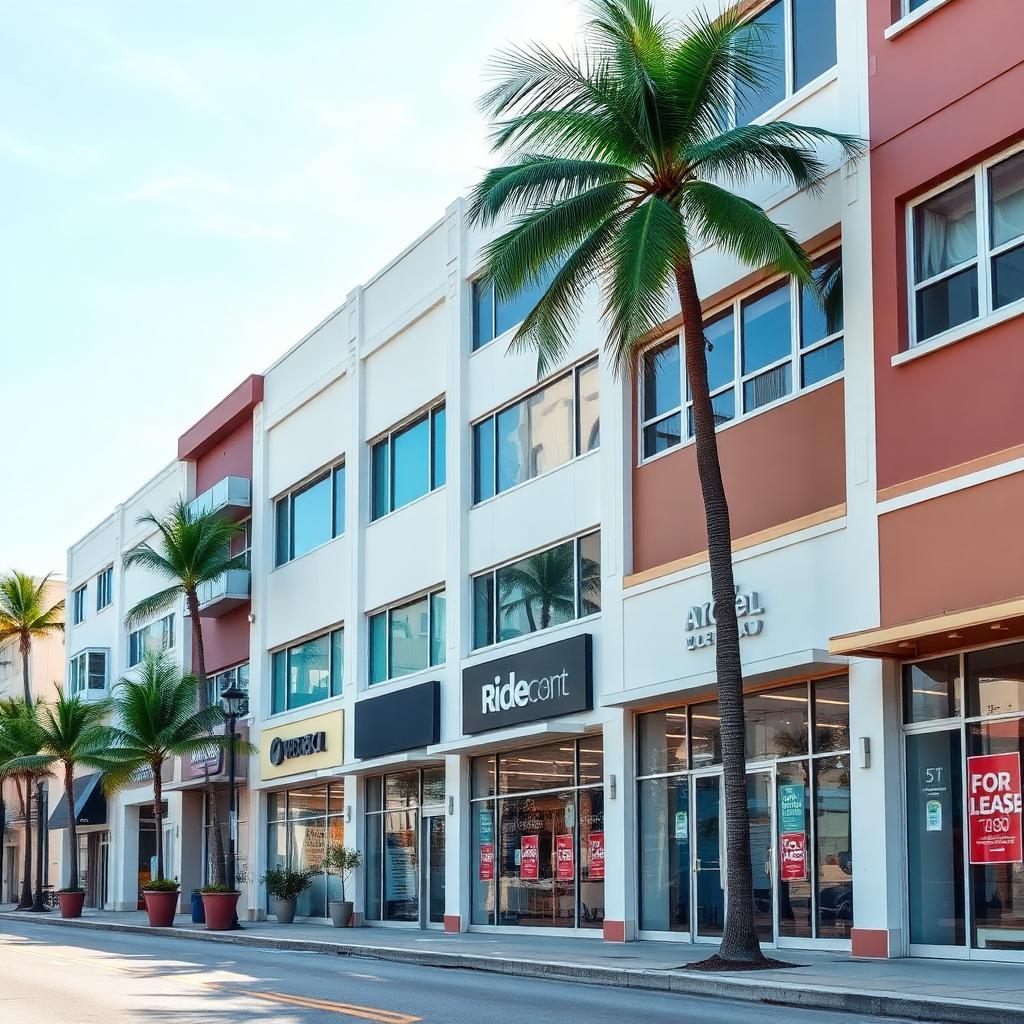
When searching for a commercial property for sale or evaluating commercial property for lease, one of the first terms you may encounter is whether a property is occupied or vacant. While these words may seem straightforward, they can have different implications depending on the property's current use, lease status, and intended purpose.
Whether you're exploring an office building, retail space, shopping center, warehouse, industrial property, restaurant, medical office, or mixed-use development, understanding the distinction between occupied and vacant properties is an important part of learning about Commercial Real Estate.
This article explains what occupied and vacant commercial properties are, how they differ, and the factors commonly considered when evaluating each type.
What Is an Occupied Commercial Property?
An occupied commercial property is a property where one or more tenants or owner-users are actively operating within the building.
Occupancy can take several forms, including:
- A retail store operating under a commercial lease
- An office building leased to multiple businesses
- A warehouse occupied by a logistics company
- A medical office used by healthcare providers
- A restaurant serving customers
- A building occupied by its owner for business operations
An occupied property may have a single occupant or multiple tenants, depending on the building's size and design.
What Is a Vacant Commercial Property?
A vacant commercial property is a building or commercial space that is not currently occupied by a tenant or owner-user.
Vacancy can occur for many reasons, including:
- A lease recently expired
- A tenant relocated
- A newly constructed building has not yet been leased
- Renovations are underway
- The property is being marketed for sale or lease
- The previous business permanently closed
Vacancy does not necessarily indicate that a property is unsuitable for business. Many commercial properties are temporarily vacant between occupants.
Types of Occupied Commercial Properties
Occupied properties exist across nearly every commercial real estate sector.
Examples include:
Retail Properties
- Shopping centers
- Strip centers
- Stand-alone retail stores
- Restaurants
- Coffee shops
Office Buildings
- Professional offices
- Medical offices
- Executive suites
- Corporate headquarters
Industrial Properties
- Warehouses
- Distribution centers
- Manufacturing facilities
- Flex space
Mixed-Use Developments
Buildings combining residential, office, retail, and restaurant uses often have multiple occupied tenant spaces.
Types of Vacant Commercial Properties
Vacancy can also occur across different property types.
Examples include:
- Vacant retail storefronts
- Empty office suites
- Unoccupied warehouses
- Available restaurant spaces
- Vacant industrial buildings
- Development sites awaiting construction
- Newly completed buildings available for lease
Some vacant properties have never been occupied, while others become available after previous tenants move out.
Why Commercial Properties Become Vacant
Commercial properties become vacant for a variety of reasons.
Common examples include:
- Lease expiration
- Business relocation
- Company expansion
- Business closure
- Property renovations
- Redevelopment projects
- Market changes
- Completion of new construction
Vacancy is a normal part of the commercial real estate lifecycle and occurs in every market.
Occupied vs. Vacant Properties: Key Differences
Although both are commercial properties, they differ in several ways.
- **Current Use:** Occupied properties are actively being used. Vacant properties have no current occupant.
- **Business Operations:** Occupied properties have ongoing operations. Vacant properties have none.
- **Tenant Presence:** Occupied properties have one or more tenants or owner-users. Vacant properties have no tenant or owner-user.
- **Availability:** Occupied properties may or may not be immediately available. Vacant properties are often marketed for lease or sale.
- **Building Activity:** Occupied properties have active daily operations. Vacant properties depend on the property's condition and marketing status.
These differences help describe the property's current status rather than its quality or long-term potential.
What Buyers Commonly Evaluate
Whether a property is occupied or vacant, buyers often review many of the same characteristics.
Examples include:
- Location
- Visibility
- Accessibility
- Building size
- Parking ratio
- Zoning
- Building condition
- Utility capacity
- Roof and structural systems
- Property layout
- Existing improvements
- Future development nearby
The property's occupancy status is only one part of the overall evaluation process.
What Tenants Commonly Evaluate
Businesses leasing commercial space often focus on factors such as:
- Property availability
- Layout
- Restaurant infrastructure (if applicable)
- Office configuration
- Warehouse functionality
- Customer parking
- Signage opportunities
- Outdoor seating (for restaurants)
- Accessibility
- Lease terms
Both occupied and vacant properties may offer opportunities depending on the landlord's leasing strategy and the property's availability.
Due Diligence for Occupied and Vacant Properties
During commercial real estate due diligence, prospective buyers commonly review information regardless of whether a property is occupied or vacant.
Examples include:
- Property survey
- Title information
- Building condition
- Utility availability
- Zoning
- Environmental reports
- Existing leases (for occupied properties)
- Property operating information
- Accessibility
- Parking
- Existing improvements
The due diligence process varies depending on the property type and the terms of the transaction.
Occupancy Rates in Commercial Real Estate
Another term frequently used in Commercial Real Estate is occupancy rate.
The occupancy rate generally refers to the percentage of rentable space within a building or property that is currently occupied.
For example:
- A shopping center with all tenant spaces leased would generally have a higher occupancy rate than one with several vacant storefronts.
- An office building with multiple available suites would generally have a lower occupancy rate than one with all offices occupied.
Occupancy rates are commonly used to describe commercial properties and local market conditions.
The Role of a Commercial Real Estate Broker
A knowledgeable Commercial Real Estate Broker can help buyers and tenants understand whether occupied or vacant properties align with their business objectives.
A broker may assist by:
- Identifying available commercial properties
- Comparing occupied and vacant opportunities
- Explaining property status and availability
- Coordinating property tours
- Reviewing market conditions
- Assisting with negotiations
- Facilitating communication throughout the transaction
Commercial brokers help clients evaluate multiple property options based on location, operational needs, and long-term goals.
Final Thoughts
Both occupied and vacant commercial properties play important roles in the Commercial Real Estate market. Occupied properties are actively being used by businesses or owner-users, while vacant properties are available for future occupancy or redevelopment.
Understanding the difference between these property types can help business owners, buyers, tenants, and commercial real estate professionals become more familiar with common industry terminology. Regardless of occupancy status, evaluating location, building condition, zoning, accessibility, parking, and due diligence remains an important part of understanding commercial property.
Frequently Asked Questions
What is an occupied commercial property?
An occupied commercial property is a building or commercial space currently being used by one or more tenants or by the property owner for business operations.
What is a vacant commercial property?
A vacant commercial property is a building or space that does not currently have an active tenant or owner-user. It may be available for lease, sale, renovation, or redevelopment.
Does a vacant property mean there is something wrong with it?
Not necessarily. Commercial properties become vacant for many reasons, including lease expirations, business relocations, renovations, redevelopment projects, or new construction awaiting occupancy.
Can occupied commercial properties be sold?
Yes. Commercial properties can be bought and sold while occupied or vacant. The occupancy status is one of many factors considered during a transaction.
What is an occupancy rate?
An occupancy rate is the percentage of rentable space within a commercial property that is currently occupied by tenants or owner-users. It is commonly used to describe the status of office buildings, shopping centers, apartment communities, and other commercial properties.
What should buyers review during due diligence?
Common due diligence items include the property's location, building condition, zoning, parking, utility capacity, title information, surveys, environmental reports, and existing leases when applicable.
How can a Commercial Real Estate Broker help?
A Commercial Real Estate Broker can help identify occupied or vacant commercial properties, explain market conditions, coordinate property tours, compare available opportunities, assist with negotiations, and guide clients throughout the commercial buying or leasing process.
Authoritative references for this topic
Primary government, regulatory and industry sources readers can consult directly. This article is educational and is not legal, tax, or investment advice.
- Uniform Standards of Professional Appraisal Practice (USPAP) — The Appraisal Foundation
- All Appropriate Inquiries for Commercial Property Environmental Due Diligence — U.S. Environmental Protection Agency
- Miami 21 Zoning Code and Zoning Information — City of Miami Planning Department
- ADA Standards for Accessible Design (Places of Public Accommodation) — U.S. Department of Justice
Lais Same
Lais Same is a commercial real estate broker serving Miami and South Florida, representing property owners, landlords, investors, buyers, and tenants in commercial property sales, leasing, investment transactions, valuation, and market analysis. Learn more about Lais Same or discuss a commercial property.
 Investment
How Commercial Properties Are Valued: A Complete Guide to Commercial Real Estate Valuation
Learn how commercial properties are valued using the income approach, sales comparison approach, and cost approach, plus key factors like NOI and cap rate.
 Selling
How Do I Sell My Commercial Property? A Step-by-Step Guide for Property Owners
A step-by-step guide for commercial property owners covering valuation, preparation, broker selection, marketing, offers, due diligence, and closing.
 Investment
What Is a 1031 Exchange? A Guide for Commercial Real Estate Investors
A practical guide to 1031 exchanges for commercial real estate investors, including eligible properties, strict deadlines, qualified intermediaries, replacement-property searches, and common mistakes.
Need advisory on a specific property or market?
Speak directly with Lais about your leasing, acquisition, or investment goals in South Florida.
Schedule a Consultation