Outdoor Seating for Restaurants in Commercial Real Estate: What Business Owners Should Know
Learn how outdoor seating fits into commercial real estate, common considerations for restaurant properties, and why it matters during the leasing process.
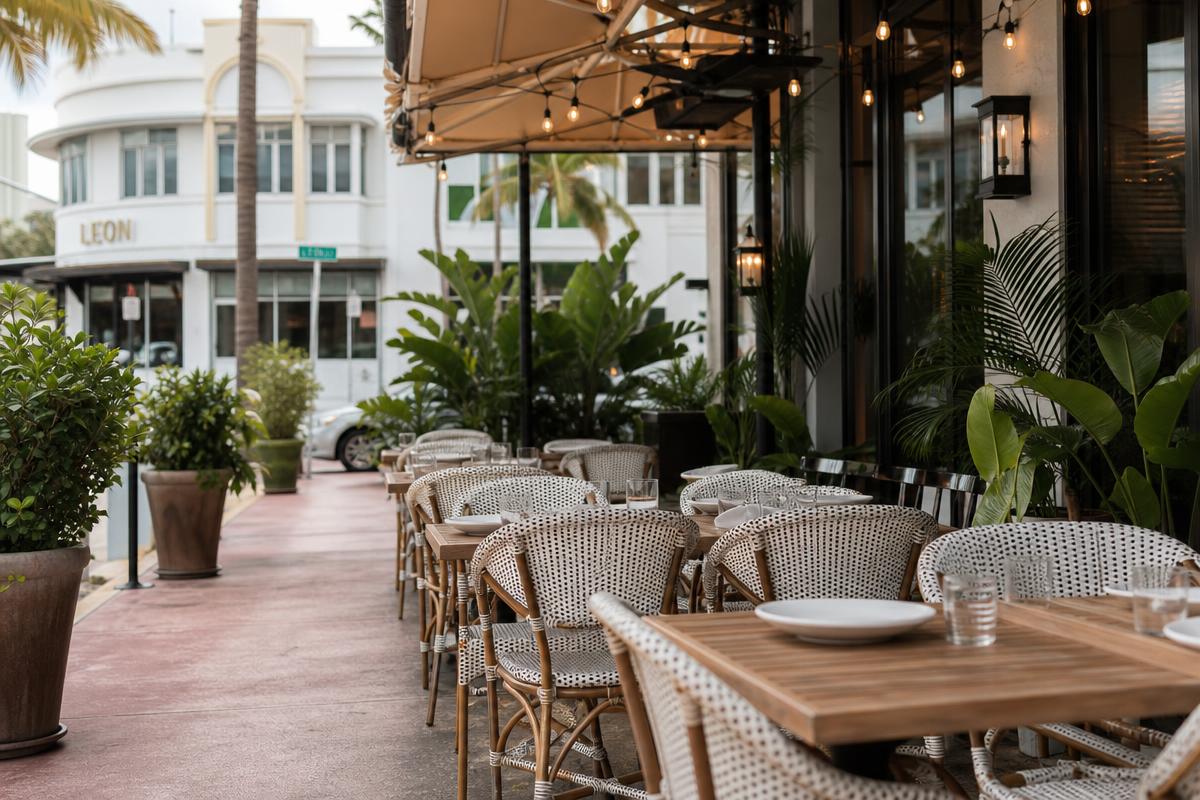
Outdoor dining has become an increasingly desirable feature for many restaurants, cafés, coffee shops, breweries, and fast-casual concepts. Whether located in a shopping center, a mixed-use development, or a stand-alone commercial building, outdoor seating can influence a property's functionality, customer experience, and overall appeal.
When evaluating restaurant space for lease or purchasing a restaurant property, outdoor seating is often one of the features prospective tenants and buyers ask about. However, outdoor dining areas involve more than simply placing tables and chairs outside. Commercial leases, property design, local regulations, accessibility standards, and landlord requirements can all play a role.
This article explains how outdoor seating fits into Commercial Real Estate, common considerations for restaurant properties, and why it is frequently discussed during the commercial leasing process.
What Is Outdoor Seating?
Outdoor seating refers to designated dining areas located outside a restaurant's enclosed interior where customers may be served food and beverages.
Depending on the property, outdoor seating may include:
- Sidewalk cafés
- Covered patios
- Courtyards
- Outdoor terraces
- Plaza seating
- Rooftop dining areas
- Garden seating
- Shared common-area seating
The design and layout vary widely based on the building, site plan, and property type.
Why Outdoor Seating Is Popular
Many restaurants view outdoor seating as an attractive feature because it can enhance the dining environment and provide customers with additional seating options.
Outdoor dining areas may contribute to:
- A more open dining experience
- Seasonal flexibility
- Increased customer visibility
- Enhanced street presence
- Activation of public spaces
- Opportunities for pedestrian engagement
The role outdoor seating plays depends on the restaurant concept, surrounding environment, and available space.
Types of Commercial Properties That Offer Outdoor Seating
Outdoor dining areas can be found across many commercial property types.
Shopping Centers
Many neighborhood shopping centers and lifestyle centers include patios or designated outdoor dining spaces for restaurants and cafés.
These spaces may overlook:
- Courtyards
- Parking areas
- Public plazas
- Landscaped gathering areas
Shopping centers often integrate outdoor seating into their overall design to create inviting public spaces.
Mixed-Use Developments
Mixed-use developments frequently incorporate outdoor dining as part of walkable environments.
Restaurants may have seating adjacent to:
- Residential buildings
- Office space
- Retail storefronts
- Public gathering areas
- Entertainment venues
Outdoor dining often contributes to the active atmosphere associated with mixed-use projects.
Stand-Alone Restaurant Buildings
Many stand-alone restaurants include private patios, decks, or outdoor dining areas located entirely within the property's boundaries.
Depending on the site, these areas may be positioned:
- In front of the building
- Along the side
- Behind the restaurant
- Within landscaped outdoor spaces
Urban Streetscapes
In downtown districts and pedestrian-oriented neighborhoods, restaurants may feature sidewalk seating that complements the surrounding streetscape.
These dining areas are commonly found in areas with:
- High foot traffic
- Retail storefronts
- Walkable business districts
- Mixed-use developments
The availability of sidewalk seating varies by property and local regulations.
Common Considerations When Evaluating Outdoor Seating
Outdoor seating involves several design and operational considerations beyond simply providing additional tables.
Commercial property owners and restaurant operators commonly evaluate factors such as:
- Available outdoor space
- Customer accessibility
- Pedestrian circulation
- Weather exposure
- Shade structures
- Lighting
- Landscaping
- Visibility from nearby streets
- Proximity to parking
- Building entrances
- Emergency access
Each property has unique characteristics that influence the layout of outdoor dining areas.
Commercial Lease Considerations
If a restaurant leases commercial space, the lease agreement may address how outdoor seating may be used.
Depending on the property, lease provisions may discuss topics such as:
- Designated patio areas
- Common area use
- Maintenance responsibilities
- Furniture placement
- Signage
- Hours of operation
- Shared outdoor spaces
- Landlord approval for improvements
The specific terms depend on the negotiated lease agreement.
Accessibility and Customer Experience
Outdoor dining areas are often designed to accommodate a wide variety of guests.
Property owners and restaurant operators commonly consider:
- Accessible pathways
- Entry points
- Table spacing
- Clear pedestrian routes
- Outdoor lighting
- Weather protection
- Visibility
- Customer comfort
Thoughtful design can help create an inviting outdoor dining environment while supporting accessibility.
Weather and Climate Considerations
Climate plays an important role in outdoor dining, particularly in regions with warm weather.
Restaurants may incorporate features such as:
- Covered patios
- Retractable awnings
- Umbrellas
- Ceiling fans
- Outdoor lighting
- Landscaping for shade
- Wind barriers
- Heating elements in cooler climates
The design of outdoor seating areas varies depending on local weather patterns and the restaurant's concept.
Outdoor Seating and Restaurant Visibility
Outdoor seating can contribute to a restaurant's visibility within a commercial property.
Visible outdoor dining areas may:
- Increase storefront activity
- Create visual interest
- Enhance the property's streetscape
- Contribute to the atmosphere of shopping centers and mixed-use developments
For many commercial properties, outdoor seating is one element of the overall customer experience.
Due Diligence When Evaluating Restaurant Space
When considering a restaurant property with outdoor seating, business owners often review several aspects of the property.
Examples include:
- Existing patio areas
- Available square footage
- Parking availability
- Accessibility
- Building layout
- Utility locations
- Common area design
- Lease provisions
- Property maintenance responsibilities
- Local zoning and permitting requirements
The scope of due diligence depends on the property and the proposed restaurant concept.
The Role of a Commercial Real Estate Broker
Finding restaurant space with outdoor seating often requires evaluating more than just the building itself.
A knowledgeable Commercial Real Estate Broker may assist by:
- Identifying restaurant properties with existing outdoor dining areas
- Comparing restaurant locations across different markets
- Explaining common commercial lease provisions related to patios and outdoor spaces
- Coordinating property tours
- Discussing site characteristics and customer access
- Assisting throughout the commercial leasing or purchasing process
Commercial brokers help restaurant operators identify properties that align with their operational needs and dining concepts.
Final Thoughts
Outdoor seating has become an important feature for many restaurants operating in today's Commercial Real Estate market. Whether located in a shopping center, mixed-use development, stand-alone building, or downtown commercial district, outdoor dining areas can contribute to a property's functionality and customer experience.
Because every commercial property is unique, the availability, design, and permitted use of outdoor seating vary depending on the building, lease agreement, site layout, and applicable local regulations. Understanding these factors can help business owners become more familiar with one of the many features that influence restaurant site selection.
Frequently Asked Questions
What is outdoor seating in commercial real estate?
Outdoor seating refers to designated dining areas located outside a restaurant where customers may be served food and beverages. These areas may include patios, courtyards, sidewalks, plazas, terraces, or rooftop dining spaces.
Which types of commercial properties commonly offer outdoor seating?
Outdoor dining is commonly found in shopping centers, mixed-use developments, stand-alone restaurant buildings, lifestyle centers, and walkable downtown commercial districts.
Does every restaurant property include outdoor seating?
No. Some restaurant spaces include dedicated outdoor dining areas, while others do not. Availability depends on the property's design, layout, lease terms, and local regulations.
What should businesses evaluate when considering outdoor seating?
Businesses commonly review available space, accessibility, visibility, weather exposure, parking, pedestrian circulation, lease provisions, and property layout when evaluating outdoor dining areas.
Can commercial leases include provisions about outdoor seating?
Yes. Commercial leases may address topics such as designated patio areas, common-area use, maintenance responsibilities, furniture placement, signage, and landlord approval for modifications. The specific provisions vary by lease.
Why is outdoor seating popular for restaurants?
Outdoor seating can enhance the dining experience, create a more active storefront, increase seating flexibility, and contribute to the overall atmosphere of a commercial property.
How can a Commercial Real Estate Broker help?
A Commercial Real Estate Broker can help identify restaurant spaces with outdoor seating, compare available properties, explain common lease provisions, coordinate property tours, and assist throughout the commercial leasing or purchasing process.
Authoritative references for this topic
Primary government, regulatory and industry sources readers can consult directly. This article is educational and is not legal, tax, or investment advice.
- Miami 21 Zoning Code and Zoning Information — City of Miami Planning Department
- ADA Standards for Accessible Design (Places of Public Accommodation) — U.S. Department of Justice
- Division of Hotels and Restaurants — Licensing a Food Service Establishment — Florida Department of Business & Professional Regulation
- Florida Statutes Chapter 83 — Landlord and Tenant (Part I, Nonresidential) — The Florida Senate
Lais Same
Lais Same is a commercial real estate broker serving Miami and South Florida, representing property owners, landlords, investors, buyers, and tenants in commercial property sales, leasing, investment transactions, valuation, and market analysis. Learn more about Lais Same or discuss a commercial property.
 Restaurant Real Estate
Restaurant Due Diligence When Leasing Commercial Space
Learn what restaurant due diligence involves, why it matters, and the key areas restaurant operators commonly review before signing a commercial lease.
 Restaurant Real Estate
Restaurant Lease Checklist: What to Review Before Leasing Commercial Space
Use this practical restaurant lease checklist to evaluate location, kitchen infrastructure, zoning, parking, lease terms, and due diligence before signing a commercial lease.
 Commercial Real Estate Tips
Occupied vs. Vacant Commercial Properties: Understanding the Differences in Commercial Real Estate
Learn the differences between occupied and vacant commercial properties, how each is evaluated, and what buyers and tenants commonly consider in Commercial Real Estate.
Need advisory on a specific property or market?
Speak directly with Lais about your leasing, acquisition, or investment goals in South Florida.
Schedule a Consultation