Owner-Occupied Commercial Real Estate: What It Is and How It Works
Learn what owner-occupied commercial real estate is, the types of properties businesses commonly purchase, and key factors to evaluate before buying.
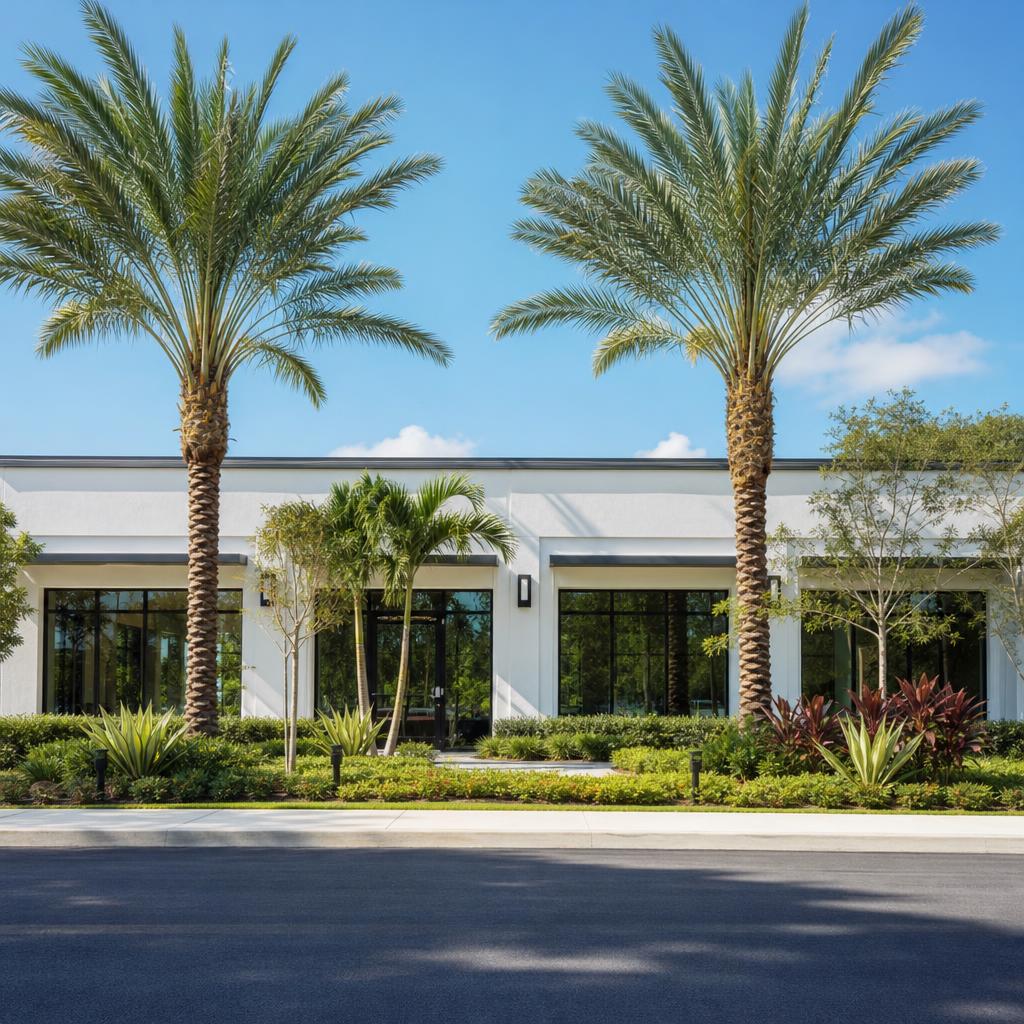
When people think about Commercial Real Estate, they often imagine investors purchasing office buildings, shopping centers, or apartment complexes to lease to tenants. However, a significant portion of commercial property transactions involve owner-occupied commercial real estate, where the business purchasing the property also occupies and operates from it.
Owner-occupied properties are common across many industries, including healthcare, professional services, manufacturing, retail, hospitality, and logistics. Businesses may purchase office buildings, warehouses, retail storefronts, restaurants, medical offices, or industrial facilities to use as their primary place of operation.
This article explains what owner-occupied commercial real estate is, the types of properties commonly used, and the factors businesses typically consider when purchasing a property for their own operations.
What Is Owner-Occupied Commercial Real Estate?
Owner-occupied commercial real estate refers to a commercial property that is owned and used by the same business or organization.
Instead of leasing space from a landlord, the business owns the building and conducts its daily operations there.
Examples include:
- A law firm that owns its office building.
- A dental practice that purchases its medical office.
- A manufacturer operating from its own industrial facility.
- A restaurant owner who owns the restaurant building.
- A retailer who purchases a storefront instead of leasing it.
In each case, the property serves as the business's primary operating location.
Common Types of Owner-Occupied Commercial Properties
Many types of commercial properties can be owner-occupied.
Office Buildings
Professional businesses commonly purchase office properties, including:
- Law firms
- Accounting firms
- Insurance agencies
- Engineering companies
- Consulting firms
- Financial service providers
Office ownership allows businesses to operate from a permanent location while controlling the use of the building.
Medical Offices
Healthcare professionals frequently purchase commercial properties such as:
- Medical offices
- Dental clinics
- Veterinary hospitals
- Physical therapy centers
- Specialty healthcare facilities
Medical buildings often include specialized improvements designed for patient care and clinical operations.
Retail Properties
Retail businesses may purchase commercial buildings used for:
- Boutiques
- Grocery stores
- Pharmacies
- Furniture stores
- Auto parts retailers
- Specialty retail shops
Retail ownership is common in both stand-alone buildings and certain mixed-use developments.
Restaurant Properties
Restaurants are another common example of owner-occupied commercial real estate.
These properties may include:
- Casual dining restaurants
- Fine dining establishments
- Cafés
- Coffee shops
- Bakeries
- Fast-casual concepts
Restaurant buildings often feature specialized improvements such as commercial kitchens, grease traps, ventilation systems, and dining areas.
Industrial Buildings
Industrial owner-users often purchase:
- Warehouses
- Manufacturing facilities
- Distribution centers
- Flex space
- Logistics facilities
These buildings are commonly designed to support production, storage, shipping, and distribution operations.
Why Do Businesses Purchase Commercial Property?
Every business has different reasons for purchasing commercial real estate.
Some organizations seek a permanent operating location, while others require specialized facilities that support their daily operations.
Business owners may also value:
- Control over building operations
- Customized interior layouts
- Long-term occupancy
- Dedicated parking
- Signage opportunities
- Warehouse or storage capacity
- Expansion potential
- Operational flexibility
The importance of these factors varies depending on the type of business and the property's intended use.
What Business Owners Evaluate Before Purchasing
Buying commercial property involves more than finding a building that fits today's needs.
Businesses often evaluate several property characteristics before making a purchase.
Location
Location remains one of the most important considerations.
Factors commonly reviewed include:
- Customer accessibility
- Employee commute
- Visibility
- Nearby businesses
- Major highways
- Public transportation
- Population growth
- Local demographics
Building Size
Businesses typically evaluate whether the building can support:
- Current operations
- Employee workspaces
- Customer areas
- Storage needs
- Equipment
- Future growth
The appropriate building size depends on the company's operational requirements.
Parking
Parking is an important consideration for many commercial properties.
Business owners often review:
- Parking ratio
- Employee parking
- Customer parking
- Delivery access
- Accessible parking spaces
- Traffic circulation
Parking needs vary significantly by industry.
Zoning
Commercial properties are subject to local zoning regulations that govern permitted uses and development standards.
Depending on the municipality, zoning regulations may address:
- Permitted business uses
- Parking requirements
- Building height
- Setbacks
- Signage
- Outdoor storage
Businesses typically verify that the intended use aligns with applicable local regulations.
Building Condition
The physical condition of a property is another important consideration.
Items commonly reviewed include:
- Roof
- HVAC systems
- Plumbing
- Electrical systems
- Structural components
- Accessibility
- Parking areas
- Building improvements
The scope of any review depends on the property and its intended use.
Due Diligence in Owner-Occupied Commercial Real Estate
Commercial real estate transactions often include a due diligence period during which buyers review information about the property.
Depending on the transaction, this may include:
- Property survey
- Title information
- Building inspections
- Environmental reports
- Utility availability
- Flood zone information
- Zoning verification
- Existing permits
- Certificates of Occupancy or Certificates of Use, where applicable
The due diligence process varies depending on the property type and purchase agreement.
Owner-Occupied vs. Investment Commercial Property
Although both are commercial real estate, owner-occupied properties and investment properties serve different purposes.
Owner-Occupied Commercial Property
- The owner operates a business from the property.
- The building serves as the company's primary place of business.
- Space is occupied by the owner-user.
Investment Commercial Property
- The owner leases space to tenants.
- Rental income is typically generated through leases.
- Property management often focuses on tenant occupancy and lease administration.
Some commercial properties include a combination of owner-occupied space and leased space.
The Role of a Commercial Real Estate Broker
Purchasing an owner-occupied commercial property often involves evaluating market conditions, property characteristics, and operational requirements.
A knowledgeable Commercial Real Estate Broker may assist by:
- Identifying available commercial properties.
- Comparing office, retail, industrial, and mixed-use opportunities.
- Coordinating property tours.
- Explaining market conditions.
- Reviewing property characteristics.
- Assisting with negotiations.
- Facilitating communication among the parties throughout the transaction.
Commercial brokers help businesses identify properties that align with their operational goals and location requirements.
Final Thoughts
Owner-occupied commercial real estate is an important segment of the commercial property market. Rather than leasing space, businesses purchase commercial properties to house their own operations, whether in an office building, retail storefront, warehouse, medical office, restaurant, or industrial facility.
Understanding factors such as location, zoning, parking, building condition, accessibility, and due diligence can provide valuable insight into how owner-occupied commercial properties differ from investment properties. As businesses grow and evolve, owner-occupied commercial real estate continues to play an important role across a wide range of industries.
Frequently Asked Questions
What is owner-occupied commercial real estate?
Owner-occupied commercial real estate refers to a commercial property that is owned and used by the same business for its daily operations rather than being leased to outside tenants.
What types of businesses commonly own their commercial property?
Professional offices, medical practices, manufacturers, retailers, restaurants, logistics companies, and service businesses frequently purchase commercial properties for their own use.
What types of commercial properties can be owner-occupied?
Common owner-occupied properties include office buildings, medical offices, retail stores, restaurants, warehouses, industrial facilities, and certain mixed-use buildings.
What is the difference between owner-occupied and investment commercial property?
In an owner-occupied property, the owner operates its own business from the building. In an investment property, the owner typically leases space to tenants who operate their businesses there.
What factors are commonly reviewed before purchasing an owner-occupied commercial property?
Businesses often evaluate location, building size, zoning, parking, accessibility, building condition, utility capacity, and other property characteristics based on their operational needs.
What is due diligence in a commercial property purchase?
Due diligence is the review period during which buyers commonly examine items such as surveys, title documents, inspections, zoning, environmental information, and other property-related materials before closing.
How can a Commercial Real Estate Broker help?
A Commercial Real Estate Broker can help identify suitable properties, compare market opportunities, coordinate property tours, explain market conditions, assist with negotiations, and guide clients through the commercial property acquisition process.
Authoritative references for this topic
Primary government, regulatory and industry sources readers can consult directly. This article is educational and is not legal, tax, or investment advice.
- All Appropriate Inquiries for Commercial Property Environmental Due Diligence — U.S. Environmental Protection Agency
- Miami 21 Zoning Code and Zoning Information — City of Miami Planning Department
- FEMA Flood Map Service Center — U.S. Federal Emergency Management Agency
- ADA Standards for Accessible Design (Places of Public Accommodation) — U.S. Department of Justice
Lais Same
Lais Same is a commercial real estate broker serving Miami and South Florida, representing property owners, landlords, investors, buyers, and tenants in commercial property sales, leasing, investment transactions, valuation, and market analysis. Learn more about Lais Same or discuss a commercial property.
 Restaurant Real Estate
Restaurant Ventilation and Hood Requirements
Learn what commercial kitchen hoods are, why ventilation matters, the difference between Type I and Type II hoods, and what to review when leasing restaurant space.
 Restaurant Real Estate
Outdoor Seating for Restaurants in Commercial Real Estate: What Business Owners Should Know
Learn how outdoor seating fits into commercial real estate, common considerations for restaurant properties, and why it matters during the leasing process.
 Restaurant Real Estate
Restaurant Due Diligence When Leasing Commercial Space
Learn what restaurant due diligence involves, why it matters, and the key areas restaurant operators commonly review before signing a commercial lease.
Need advisory on a specific property or market?
Speak directly with Lais about your leasing, acquisition, or investment goals in South Florida.
Schedule a Consultation