Development Land in Miami Commercial Real Estate: A Complete Guide for Developers, Investors, and Business Owners
Learn what development land is, how it is evaluated, common commercial projects, and why Miami remains one of the nation's most active development markets.
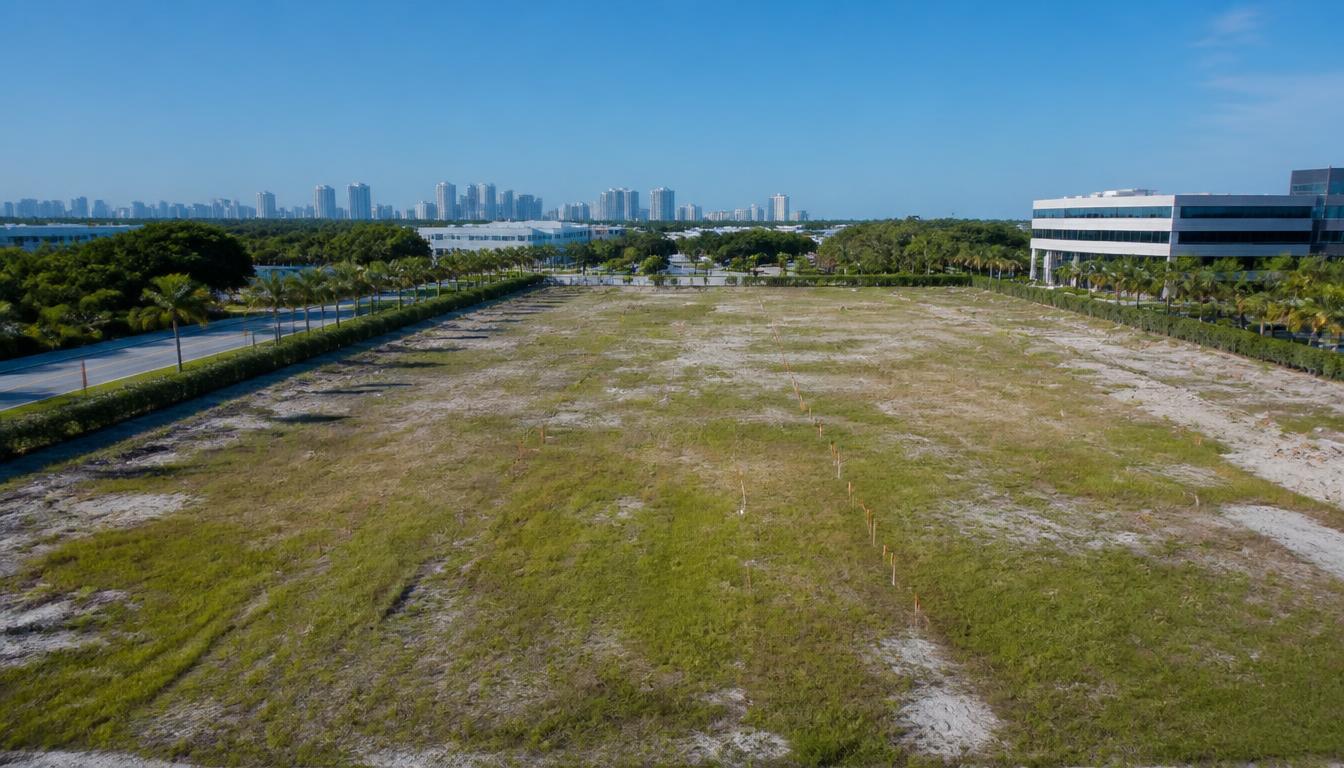
Miami continues to be one of the fastest-growing metropolitan areas in the United States, making development land one of the most closely watched sectors of Commercial Real Estate. As population growth, business expansion, tourism, and infrastructure improvements continue to reshape South Florida, vacant and underutilized land presents opportunities for a wide variety of commercial development projects.
Whether the goal is to build a shopping center, office building, warehouse, mixed-use development, multifamily community, or medical office, understanding development land is an essential part of the commercial real estate process.
This educational guide explains what development land is, how it is commonly evaluated, the different types of commercial projects built on development sites, and why Miami remains one of the nation's most active development markets.
What Is Development Land?
Development land refers to vacant, unimproved, or underutilized property that may be suitable for future construction or redevelopment.
Unlike an existing commercial building that is already generating business activity, development land represents a property where future improvements may be constructed, subject to local regulations, zoning requirements, permitting, and project approvals.
Development land may include:
- Vacant parcels
- Cleared sites
- Former commercial properties awaiting redevelopment
- Underutilized shopping centers
- Older industrial properties
- Surface parking lots
- Large tracts of undeveloped land
- Properties with existing structures that may be redeveloped
Every parcel has unique characteristics that influence its potential uses.
Why Miami Is One of the Most Active Development Markets
Miami has experienced significant commercial and residential growth over the past decade. Its international business connections, expanding population, strong tourism industry, and strategic location continue to attract developers from across the United States and around the world.
Several factors contribute to ongoing development activity, including:
- Population growth
- Business relocations
- International investment
- Expansion of logistics and distribution
- PortMiami and Miami International Airport
- Tourism and hospitality
- Healthcare expansion
- Technology companies
- Mixed-use urban redevelopment
- Transit-oriented development
These trends continue to drive demand for development-ready land throughout Miami-Dade County.
Common Types of Commercial Development Projects
Development land can be used for many different commercial projects depending on zoning, market demand, infrastructure, and local planning regulations.
Retail Developments
Retail developments may include:
- Neighborhood shopping centers
- Strip centers
- Lifestyle centers
- Stand-alone retail buildings
- Restaurants
- Coffee shops
- Banks
- Pharmacies
Retail developments often prioritize visibility, vehicle traffic, parking, and convenient customer access.
Office Developments
Office projects may consist of:
- Class A office buildings
- Medical office buildings
- Professional office parks
- Corporate headquarters
- Executive office suites
Location, accessibility, parking, and nearby business activity are commonly evaluated for office developments.
Industrial Developments
Industrial land supports projects such as:
- Warehouses
- Distribution centers
- Manufacturing facilities
- Logistics centers
- Flex space
- Cold storage facilities
Miami's role as an international trade hub makes industrial development particularly important near transportation corridors.
Multifamily Developments
Many development sites are used to construct:
- Apartment communities
- Mid-rise buildings
- High-rise residential towers
- Workforce housing
- Student housing
- Senior living communities
These projects often require careful consideration of zoning, density, infrastructure, and community planning policies.
Mixed-Use Developments
Mixed-use developments combine multiple property types into a single project.
A mixed-use project may include:
- Apartments
- Retail stores
- Restaurants
- Office space
- Hotels
- Entertainment venues
- Public plazas
These developments have become increasingly common throughout Miami's urban neighborhoods.
Important Factors When Evaluating Development Land
Every development site is different.
Commercial developers typically evaluate numerous physical, legal, and market characteristics before moving forward with a project.
Location
Location remains one of the most important considerations.
Factors commonly reviewed include:
- Access to major highways
- Public transportation
- Population density
- Nearby employment centers
- Schools
- Hospitals
- Airports
- Ports
- Tourism districts
A property's location influences the types of development that may be appropriate.
Zoning
One of the first items reviewed during land evaluation is zoning.
Zoning regulations establish how property may generally be used and can address topics such as:
- Permitted uses
- Building height
- Density
- Setbacks
- Parking requirements
- Landscaping
- Building coverage
Because zoning regulations vary by municipality, every parcel should be evaluated individually.
Future Land Use
In addition to current zoning, many developers review the applicable Future Land Use Map (FLUM) or comprehensive plan adopted by the local government.
Future land use designations provide guidance regarding the long-term planning vision for different areas of the community.
Depending on the jurisdiction, these designations may influence:
- Residential development
- Commercial corridors
- Industrial areas
- Mixed-use districts
- Transit-oriented development
- Conservation areas
Understanding both zoning and future land use provides a more complete picture of a property's planning context.
Infrastructure Availability
Commercial developments often require access to essential infrastructure, including:
- Water service
- Sewer service
- Electrical power
- Natural gas (where available)
- Stormwater systems
- Telecommunications
- Road access
The availability and capacity of existing infrastructure can affect development feasibility and project timelines.
Site Characteristics
Physical characteristics commonly evaluated include:
- Parcel size
- Shape
- Topography
- Drainage
- Flood zone designation
- Existing structures
- Tree coverage
- Environmental features
- Soil conditions
These characteristics may influence how a site can be developed.
Accessibility
Accessibility remains an important consideration for nearly every commercial project.
Developers often evaluate:
- Road frontage
- Traffic signal access
- Multiple entrances
- Truck access
- Public transportation
- Pedestrian connectivity
- Bicycle infrastructure
Ease of access can influence how businesses, employees, customers, and residents interact with the property.
Parking Requirements
Parking needs vary significantly depending on the proposed use.
Different developments may require parking for:
- Employees
- Customers
- Residents
- Visitors
- Delivery vehicles
Local zoning regulations often establish minimum parking requirements for different land uses.
Market Demand
Development decisions are typically influenced by market conditions.
Factors often analyzed include:
- Population growth
- Household income
- Employment trends
- Vacancy rates
- Business activity
- Housing demand
- Consumer spending
- Competing developments
These indicators help provide context for evaluating commercial real estate markets.
Redevelopment Opportunities
Not every development project begins with vacant land.
Many successful projects involve the redevelopment of existing commercial properties.
Examples include:
- Older shopping centers
- Vacant office buildings
- Former industrial sites
- Underperforming retail centers
- Obsolete commercial buildings
- Surface parking lots
Redevelopment can transform existing properties into new commercial destinations while making use of established infrastructure.
Miami Neighborhoods with Active Development
Development activity occurs throughout Miami-Dade County, with different areas supporting different types of projects.
Some of the county's most active commercial markets include:
- Brickell
- Downtown Miami
- Wynwood
- Edgewater
- Midtown Miami
- Allapattah
- Little River
- Little Haiti
- Doral
- Coral Gables
- Coconut Grove
- Miami Design District
- Miami Beach
- The Health District
- Airport West
- Kendall
- Westchester
- Hialeah
- Homestead
Each submarket has its own planning framework, zoning regulations, infrastructure, and development trends.
Due Diligence Before Purchasing Development Land
Before acquiring development land, commercial real estate professionals commonly evaluate a variety of factors, including:
- Property survey
- Title information
- Zoning
- Future land use
- Flood zone
- Environmental conditions
- Utility availability
- Access rights
- Easements
- Road frontage
- Existing leases (if applicable)
- Site dimensions
- Government approvals (where applicable)
The scope of due diligence varies depending on the property and the proposed project.
The Role of a Commercial Real Estate Broker
Development land transactions often require coordination among property owners, developers, architects, engineers, planners, attorneys, lenders, and government agencies.
A knowledgeable Commercial Real Estate Broker may assist by:
- Identifying available development sites
- Comparing commercial land opportunities
- Researching market conditions
- Coordinating property tours
- Discussing zoning and planning resources
- Facilitating communication among the parties
- Assisting with negotiations
- Providing market insight throughout the acquisition process
Because every development project is unique, brokers often help clients identify sites that align with the intended land use and overall project objectives.
Final Thoughts
Development land is one of the most dynamic sectors of Miami Commercial Real Estate. As the city continues to grow, opportunities for retail centers, office buildings, industrial facilities, multifamily communities, mixed-use developments, and other commercial projects continue to shape Miami's evolving landscape.
Every development site has unique characteristics influenced by location, zoning, infrastructure, accessibility, and market conditions. Understanding these factors can help business owners, developers, and property buyers better understand how commercial land is evaluated and why development opportunities vary from one parcel to another.
Whether you're exploring land for a future business location or simply learning more about Commercial Real Estate in Miami, understanding development land is an important step toward understanding how new commercial projects take shape.
Frequently Asked Questions
What is development land in commercial real estate?
Development land is vacant, unimproved, or underutilized property that may be suitable for future construction or redevelopment, subject to applicable regulations and approvals.
What types of projects are commonly built on development land in Miami?
Development land may be used for shopping centers, office buildings, warehouses, industrial facilities, mixed-use developments, multifamily communities, medical offices, hotels, and other commercial projects, depending on zoning and local regulations.
Why is Miami an attractive market for development?
Miami benefits from population growth, international business, tourism, logistics infrastructure, expanding industries, and ongoing urban redevelopment, all of which contribute to commercial development activity.
Why are zoning and future land use important?
Zoning and future land use help define how land may generally be used, including permitted uses, building height, density, setbacks, parking requirements, and other planning considerations. They are key elements when evaluating development opportunities.
Can redevelopment projects be considered development land?
Yes. Many commercial projects involve redeveloping older shopping centers, office buildings, industrial properties, or underutilized sites rather than building on vacant land.
What factors are commonly reviewed during due diligence?
Due diligence may include reviewing zoning, future land use, surveys, title information, environmental conditions, flood zones, utility availability, easements, access, site dimensions, and other property-specific characteristics.
How can a Commercial Real Estate Broker help with development land?
A Commercial Real Estate Broker can help identify development sites, compare commercial land opportunities, provide market insight, coordinate property tours, facilitate negotiations, and assist throughout the commercial land acquisition process.
Authoritative references for this topic
Primary government, regulatory and industry sources readers can consult directly. This article is educational and is not legal, tax, or investment advice.
- Uniform Standards of Professional Appraisal Practice (USPAP) — The Appraisal Foundation
- Miami 21 Zoning Code and Zoning Information — City of Miami Planning Department
- FEMA Flood Map Service Center — U.S. Federal Emergency Management Agency
- ADA Standards for Accessible Design (Places of Public Accommodation) — U.S. Department of Justice
Lais Same
Lais Same is a commercial real estate broker serving Miami and South Florida, representing property owners, landlords, investors, buyers, and tenants in commercial property sales, leasing, investment transactions, valuation, and market analysis. Learn more about Lais Same or discuss a commercial property.
 Commercial Real Estate Tips
Types of Commercial Properties
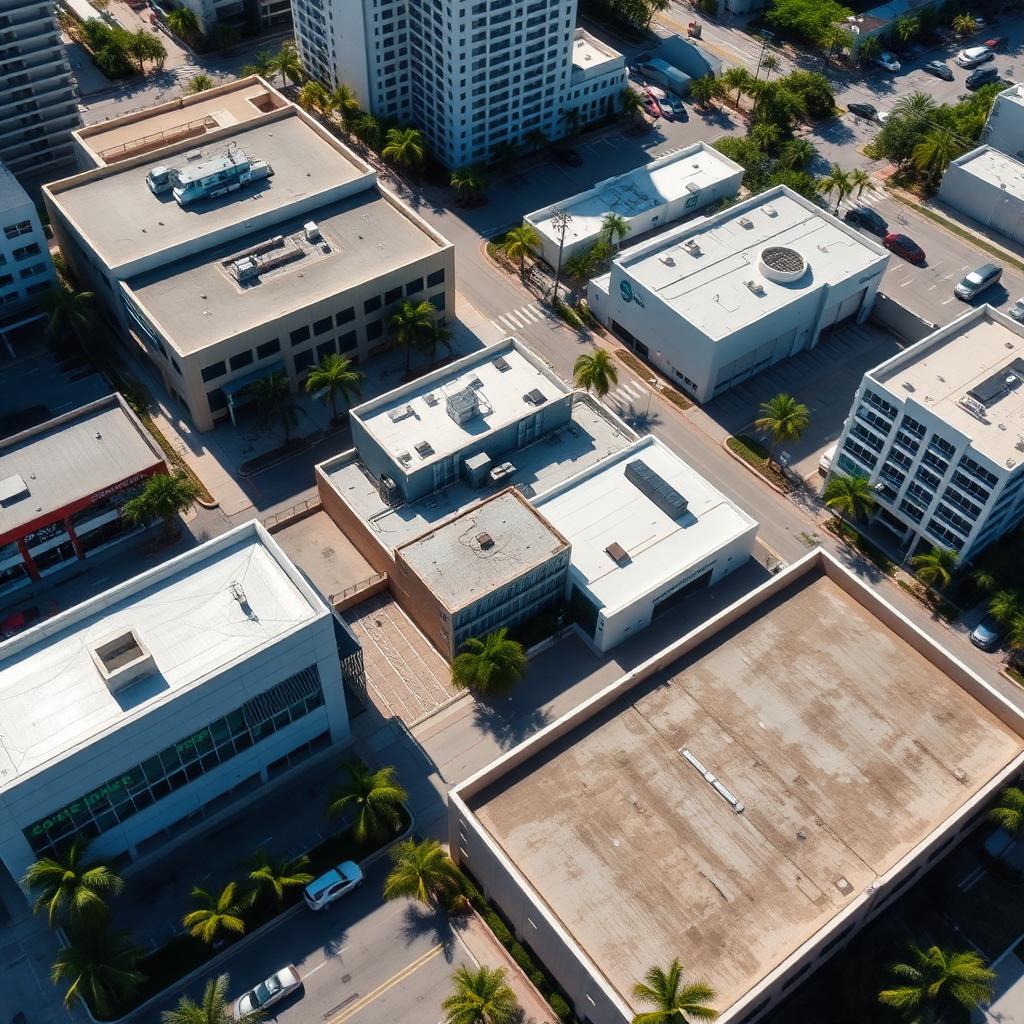
Learn about the main types of commercial real estate, including retail, office, industrial, warehouse, multifamily, mixed-use, and development land.
 Leasing
What Is a Co-Tenancy Clause in Commercial Real Estate? A Guide for Landlords and Tenants
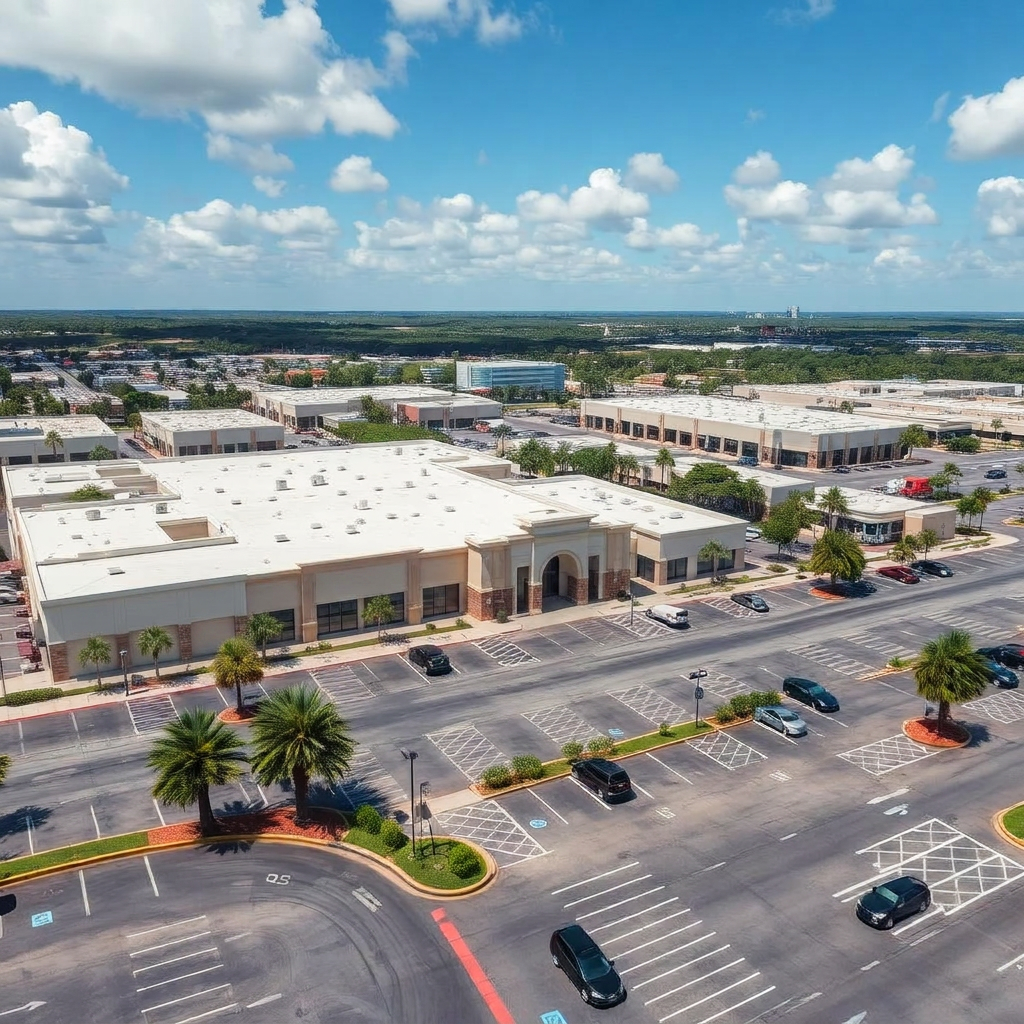
Learn what a co-tenancy clause is in commercial real estate, how it works in retail leases, and why it matters for landlords and tenants.
 Commercial Real Estate Tips
What Is a Letter of Intent (LOI) in Commercial Real Estate?
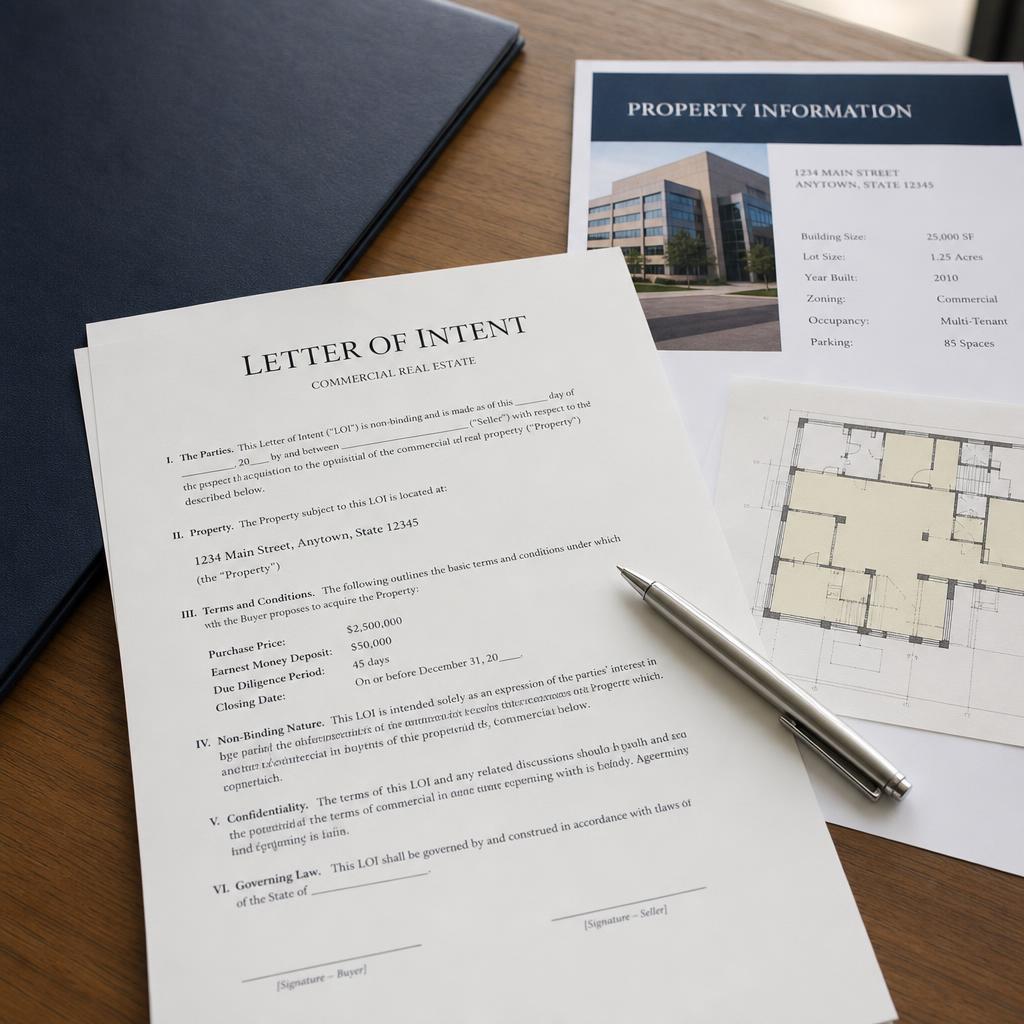
Learn what a Letter of Intent (LOI) is in commercial real estate, why it's used before a formal lease or purchase agreement, and what terms it typically includes.
Need advisory on a specific property or market?
Speak directly with Lais about your leasing, acquisition, or investment goals in South Florida.
Schedule a Consultation