Types of Commercial Properties
Learn about the main types of commercial real estate, including retail, office, industrial, warehouse, multifamily, mixed-use, and development land.
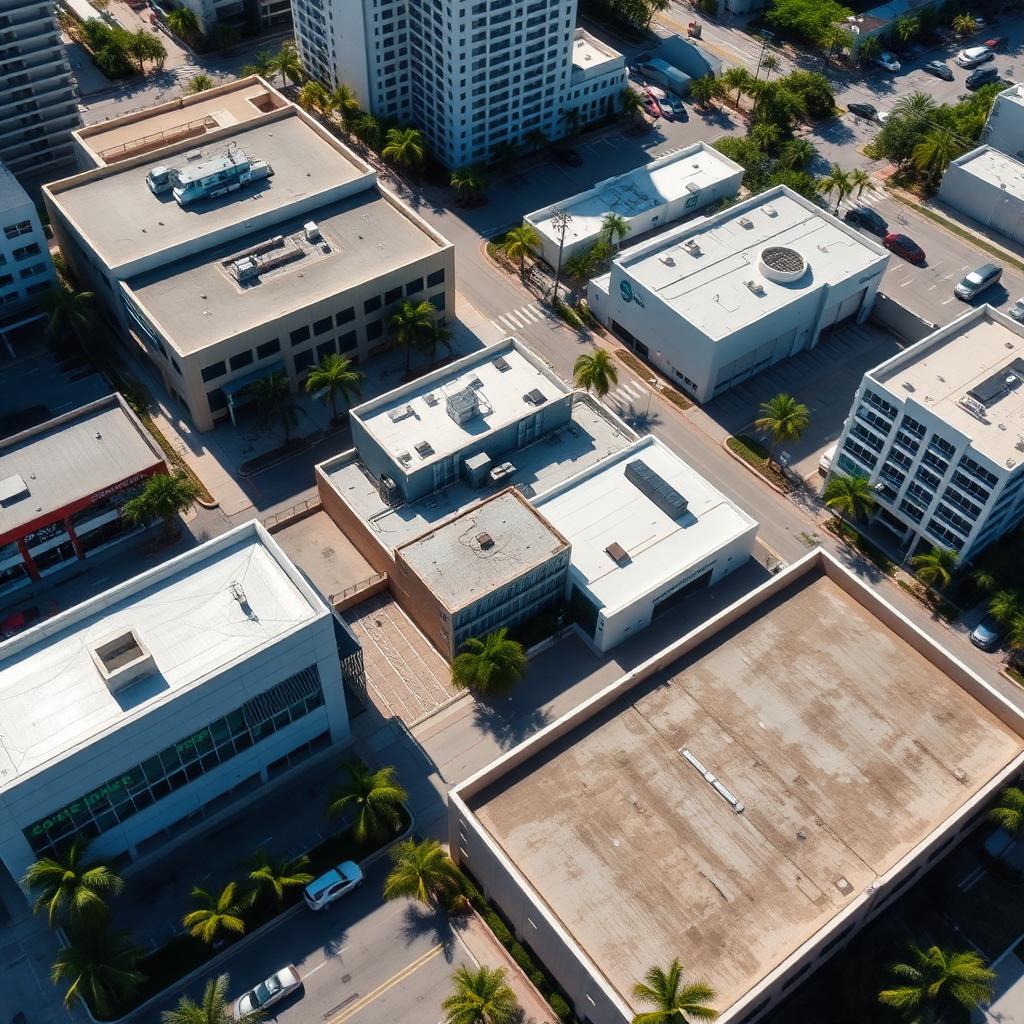
Whether you're opening a business, expanding to a new location, leasing commercial space, or purchasing a commercial property, understanding the different types of Commercial Real Estate is essential. Every property type serves a different purpose, attracts different tenants, and operates under different market conditions.
From retail spaces and office buildings to industrial warehouses, mixed-use developments, multifamily properties, and development land, each asset class plays a unique role in the commercial real estate market.
This guide explains the primary categories of Commercial Real Estate, their common characteristics, and how they are typically used. It is intended for educational purposes and provides a broad overview of the commercial property types commonly found throughout the United States.
What Is Commercial Real Estate?
Commercial Real Estate (CRE) refers to property primarily used for business, income-producing, or investment-related purposes rather than single-family residential living.
Commercial properties may be occupied by businesses, organizations, government agencies, healthcare providers, manufacturers, retailers, or residential tenants in the case of multifamily properties.
The primary categories of Commercial Real Estate include:
- Retail Properties
- Shopping Centers
- Office Buildings
- Industrial Properties
- Warehouses
- Mixed-Use Developments
- Multifamily Properties
- Development Land
Each property type has different design characteristics, operational requirements, tenant profiles, and market dynamics.
1. Retail Properties
Retail properties are commercial spaces designed for businesses that sell goods or services directly to consumers.
Examples include:
- Clothing stores
- Jewelry stores
- Coffee shops
- Restaurants
- Pharmacies
- Banks
- Pet supply stores
- Beauty salons
- Cell phone stores
- Fitness studios
Retail properties can range from a single storefront to large shopping centers.
Common Features
- Storefront visibility
- Customer parking
- Signage opportunities
- Pedestrian accessibility
- High vehicle exposure
- Customer entrances facing public areas
Retail properties are often located along major commercial corridors where businesses benefit from customer traffic and visibility.
2. Shopping Centers
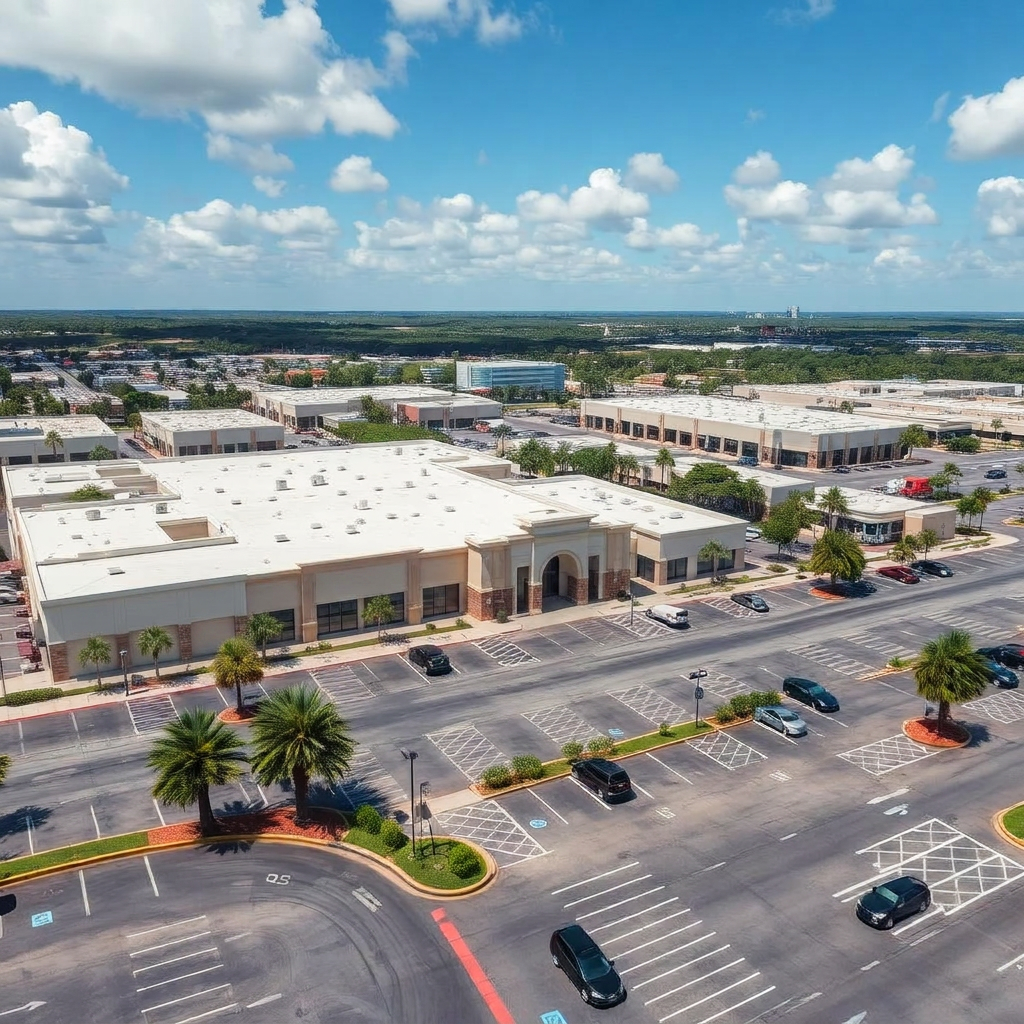
A shopping center is a commercial development containing multiple retail tenants operating within the same property.
Shopping centers are designed to create a destination where customers can access multiple businesses during a single visit.
Common Types of Shopping Centers
- Neighborhood Centers
- Community Shopping Centers
- Power Centers
- Lifestyle Centers
- Regional Malls
- Strip Centers
Shopping centers often include:
- Restaurants
- Retail stores
- Banks
- Medical offices
- Personal service businesses
- Fitness centers
- Grocery stores
Anchor Tenants
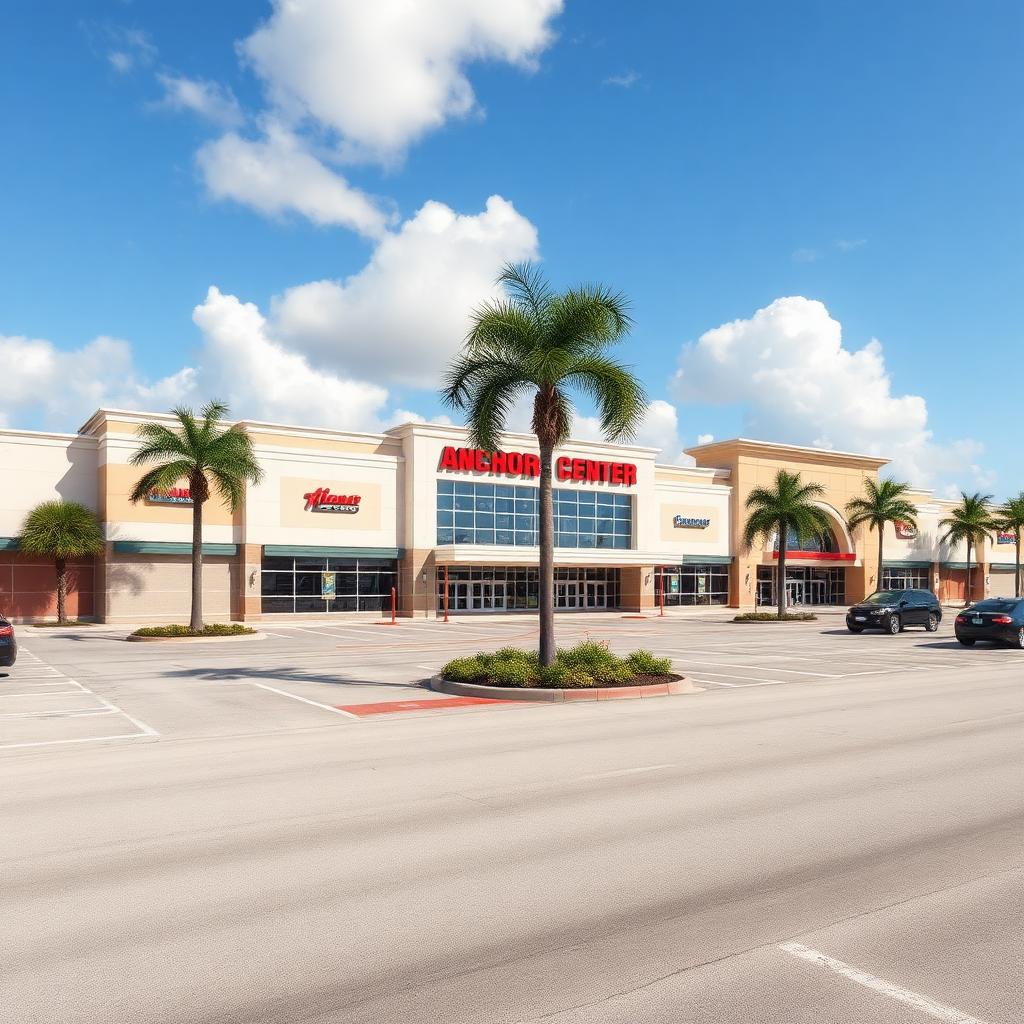
Many shopping centers feature an anchor tenant, a large business that helps attract customers to neighboring stores.
Examples include:
- Grocery stores
- Department stores
- Home improvement retailers
- National discount stores
- Entertainment venues
Tenant mix is one of the most important characteristics of successful shopping centers.
3. Office Buildings
Office buildings provide professional workspace for businesses across nearly every industry.
Office properties may accommodate:
- Law firms
- Accounting firms
- Medical practices
- Insurance agencies
- Technology companies
- Financial institutions
- Engineering firms
- Consulting companies
Office Building Classifications
Office buildings are commonly categorized as:
- Class A
- Class B
- Class C
These classifications generally reflect the property's quality, age, location, amenities, and competitiveness within its local market.
Office Layouts
Office buildings may include:
- Executive suites
- Traditional offices
- Open floor plans
- Coworking spaces
- Medical office layouts
Many office buildings also provide conference rooms, shared amenities, structured parking, and professional management.
4. Industrial Properties
Industrial real estate supports manufacturing, production, logistics, distribution, and business operations.
Industrial properties are designed for businesses that require larger operational spaces than traditional office or retail buildings.
Common industrial users include:
- Manufacturers
- Distribution companies
- Import and export businesses
- Construction companies
- Food distributors
- Packaging companies
- Printing companies
- Logistics providers
Typical Features
- Loading docks
- High ceilings
- Large truck courts
- Heavy electrical service
- Industrial zoning
- Flexible warehouse space
- Outdoor storage (where permitted)
Industrial properties continue to play an important role in supply chain operations and e-commerce.
5. Warehouse Properties
Although warehouses are part of the industrial sector, they represent one of the largest commercial property categories.
Warehouses are primarily used for:
- Storage
- Distribution
- Inventory management
- Shipping
- Receiving
- Order fulfillment
Common Warehouse Types
- Distribution warehouses
- Bulk storage facilities
- Refrigerated warehouses
- Cross-dock facilities
- Fulfillment centers
- Flex warehouses
Warehouse buildings often include:
- Dock-high loading doors
- Grade-level doors
- High-clearance ceilings
- Large parking areas
- Trailer storage
- Security fencing
The growth of online shopping has increased demand for warehouse and logistics facilities in many markets.
6. Mixed-Use Developments
Mixed-use developments combine multiple property types within one project.
Rather than serving a single purpose, these developments integrate residential, retail, office, hospitality, and entertainment uses.
A mixed-use development may include:
- Apartments
- Restaurants
- Coffee shops
- Office space
- Hotels
- Retail stores
- Entertainment venues
- Public gathering areas
Benefits of Mixed-Use Developments
Mixed-use projects often create walkable environments where people can:
- Live
- Work
- Shop
- Dine
- Exercise
- Socialize
Many modern downtown districts and urban redevelopment projects feature mixed-use developments.
7. Multifamily Properties
Multifamily properties consist of residential units designed for multiple households within one property.
Although residential in use, larger multifamily properties are commonly considered part of Commercial Real Estate because they generate rental income and are often purchased, financed, and managed differently from single-family homes.
Examples include:
- Apartment communities
- Garden apartments
- Mid-rise apartment buildings
- High-rise apartment towers
- Student housing
- Senior housing
- Build-to-rent communities (depending on structure)
Common Amenities
Many multifamily communities offer:
- Swimming pools
- Fitness centers
- Clubhouses
- Parking garages
- Dog parks
- Business centers
- Package rooms
Location, amenities, occupancy, and property management all influence the competitiveness of multifamily properties.
8. Development Land
Development land refers to vacant or underutilized property that may be improved in the future.
Developers often evaluate land for projects such as:
- Shopping centers
- Apartment communities
- Office buildings
- Industrial parks
- Hotels
- Mixed-use developments
- Medical facilities
- Residential subdivisions
Factors Commonly Evaluated
Before development begins, professionals often review:
- Zoning
- Future land use
- Utility availability
- Road access
- Environmental conditions
- Flood zones
- Topography
- Permitting requirements
- Infrastructure
- Surrounding development
Every parcel has unique development characteristics depending on its location and local regulations.
Other Commercial Property Types
Although the categories above represent the most common sectors, commercial real estate also includes specialized property types such as:
- Hotels
- Self-storage facilities
- Medical campuses
- Senior living communities
- Data centers
- Cold storage facilities
- Religious properties
- Educational facilities
- Entertainment venues
- Automotive dealerships
- Marinas
Each sector has unique operational characteristics and market considerations.
What Factors Matter When Evaluating Commercial Properties?
Regardless of property type, commercial real estate professionals often evaluate:
- Location
- Visibility
- Accessibility
- Foot traffic
- Vehicle traffic
- Parking ratio
- Building condition
- Zoning
- Demographics
- Population growth
- Nearby businesses
- Lease structure
- Operating expenses
- Future development
- Utility capacity
- Market demand
No single factor determines whether a property is suitable for a business. Commercial properties are typically evaluated using multiple criteria based on the intended use.
The Role of a Commercial Real Estate Broker
Commercial real estate transactions often involve significantly more analysis than simply locating available properties.
A knowledgeable Commercial Real Estate Broker may assist by:
- Identifying available commercial properties.
- Comparing different property types.
- Explaining commercial lease structures.
- Coordinating property tours.
- Reviewing market conditions.
- Analyzing location characteristics.
- Assisting with negotiations.
- Facilitating communication throughout the transaction.
Because every business has different operational requirements, brokers help narrow the search based on location, property type, size, and business objectives.
Final Thoughts
Commercial Real Estate includes a wide variety of property types, each designed to serve different businesses and industries. Retail stores, shopping centers, office buildings, industrial facilities, warehouses, mixed-use developments, multifamily communities, and development land all play important roles in supporting economic growth and business activity.
Understanding the characteristics of each property type can make it easier to compare opportunities, recognize how different commercial assets function, and better understand the terminology commonly used throughout the commercial real estate industry.
Whether you're searching for commercial space for lease, evaluating a commercial property for sale, or simply learning more about the industry, recognizing the differences between these asset classes is an important foundation for understanding Commercial Real Estate.
Frequently Asked Questions
What are the main types of commercial real estate?
The primary commercial real estate sectors include retail properties, shopping centers, office buildings, industrial properties, warehouses, mixed-use developments, multifamily properties, and development land.
What is the difference between a retail property and a shopping center?
A retail property may consist of a single storefront or stand-alone building, while a shopping center is a commercial development containing multiple retail tenants operating within the same property.
Is a warehouse the same as an industrial property?
Warehouses are a type of industrial property. While many industrial buildings are used for storage and distribution, others are designed for manufacturing, assembly, production, research, or logistics operations.
Why are multifamily properties considered commercial real estate?
Larger multifamily properties are generally treated as commercial real estate because they are income-producing assets that are commonly financed, managed, and valued differently from single-family residential homes.
What is development land?
Development land is vacant or underutilized property that may be improved in the future for commercial, residential, industrial, mixed-use, or other permitted developments, depending on zoning and local regulations.
Why does location matter in commercial real estate?
Location influences visibility, accessibility, customer traffic, demographics, transportation access, nearby businesses, and overall market demand. It is one of the many factors considered when evaluating commercial properties.
How can a Commercial Real Estate Broker help?
A Commercial Real Estate Broker can identify available properties, compare different asset types, explain lease structures, analyze market conditions, coordinate property tours, negotiate business terms, and assist throughout the commercial leasing or purchasing process.
Authoritative references for this topic
Primary government, regulatory and industry sources readers can consult directly. This article is educational and is not legal, tax, or investment advice.
- Miami 21 Zoning Code and Zoning Information — City of Miami Planning Department
- FEMA Flood Map Service Center — U.S. Federal Emergency Management Agency
- ADA Standards for Accessible Design (Places of Public Accommodation) — U.S. Department of Justice
- PortMiami Cargo and Trade Statistics — Miami-Dade County / PortMiami
Lais Same
Lais Same is a commercial real estate broker serving Miami and South Florida, representing property owners, landlords, investors, buyers, and tenants in commercial property sales, leasing, investment transactions, valuation, and market analysis. Learn more about Lais Same or discuss a commercial property.
 Leasing
What Is a Co-Tenancy Clause in Commercial Real Estate? A Guide for Landlords and Tenants
Learn what a co-tenancy clause is in commercial real estate, how it works in retail leases, and why it matters for landlords and tenants.
 Commercial Real Estate Tips
What Is a Letter of Intent (LOI) in Commercial Real Estate?
Learn what a Letter of Intent (LOI) is in commercial real estate, why it's used before a formal lease or purchase agreement, and what terms it typically includes.
 Retail
What Is an Anchor Tenant in Commercial Real Estate? Why It Matters When Leasing Retail Space
Learn what an anchor tenant is in commercial real estate, why anchor tenants matter for retail shopping centers, and how they can affect your commercial leasing decision.
Need advisory on a specific property or market?
Speak directly with Lais about your leasing, acquisition, or investment goals in South Florida.
Schedule a Consultation