What Is a Letter of Intent (LOI) in Commercial Real Estate?
Learn what a Letter of Intent (LOI) is in commercial real estate, why it's used before a formal lease or purchase agreement, and what terms it typically includes.
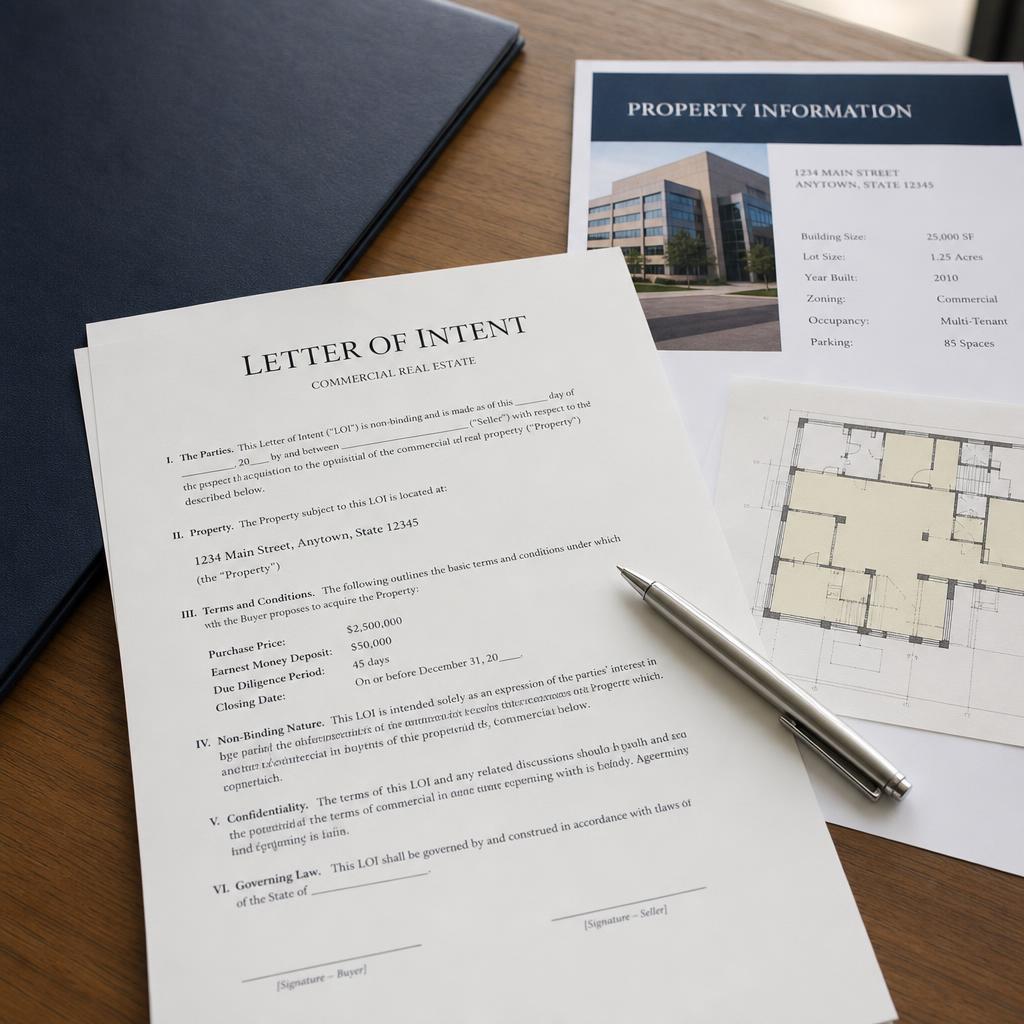
One of the first documents you'll encounter when leasing or purchasing Commercial Real Estate is a Letter of Intent (LOI). Before attorneys begin drafting a commercial lease or purchase agreement, the parties often use an LOI to outline the principal business terms they intend to negotiate.
Whether you're leasing retail space, office space, industrial property, restaurant space, or purchasing a commercial building, understanding the purpose of a Letter of Intent can help you better navigate the commercial real estate process.
This article provides an educational overview of Letters of Intent (LOIs) in Commercial Real Estate and explains why they are commonly used before a formal agreement is prepared.
What Is a Letter of Intent (LOI)?
A Letter of Intent (LOI) is a preliminary document that outlines the key business terms proposed by the parties before preparing a formal contract.
In Commercial Real Estate, an LOI serves as a framework for negotiations by identifying the major deal points that the parties would like to include in the final agreement.
Although the format of an LOI may vary, it generally summarizes the transaction before attorneys prepare the definitive legal documents.
Why Is an LOI Important?
An LOI helps both parties determine whether they are generally aligned on the major business terms before investing additional time and expense into drafting detailed legal agreements.
Instead of negotiating every provision within a lengthy lease or purchase contract from the beginning, the parties can first discuss the most significant terms in a simpler document.
This often helps streamline the negotiation process and identify major issues early.
When Is a Letter of Intent Used?
Letters of Intent are commonly used in many commercial real estate transactions, including:
- Commercial leases
- Office leases
- Retail leases
- Restaurant leases
- Industrial leases
- Medical office leases
- Commercial property purchases
- Investment property acquisitions
- Mixed-use developments
- Business sales involving real estate
Although not every transaction begins with an LOI, it is a common practice in commercial real estate.
What Is Commonly Included in a Commercial Real Estate LOI?
Every transaction is different, but an LOI often addresses key business terms such as:
- Property address
- Premises size
- Proposed use
- Lease term or purchase price
- Base rent
- Rent escalations
- Security deposit
- Tenant Improvement (TI) Allowance
- Rent abatement, if applicable
- Renewal options
- Exclusive use provisions
- Due diligence period
- Estimated closing or lease commencement dates
- Contingencies, if applicable
The information included depends on the nature of the transaction and the negotiations between the parties.
An LOI Is Different from a Commercial Lease
A common misconception is that an LOI is the same as a commercial lease.
They serve different purposes.
Letter of Intent (LOI)
An LOI generally outlines the proposed business terms and serves as a starting point for negotiations.
Commercial Lease Agreement
A Commercial Lease Agreement is the comprehensive legal document that establishes the final rights and obligations of the landlord and tenant after negotiations have been completed.
The lease typically contains many additional provisions that are not included in the LOI.
Can the Terms Change?
Yes.
The business terms outlined in an LOI often continue to be negotiated while the parties work toward a final agreement.
During the drafting process, terms may be clarified, revised, expanded, or modified based on additional discussions or due diligence.
Every transaction is unique, and the final agreement may differ from the original proposal.
Why an LOI Helps Save Time
Preparing a full commercial lease or purchase agreement can be time-consuming.
By first reaching general agreement on the major business points, an LOI may help:
- Organize negotiations
- Clarify expectations
- Identify major deal points
- Reduce misunderstandings
- Provide direction for drafting the final agreement
This structured approach is one reason LOIs are widely used in commercial real estate transactions.
What Happens After the LOI Is Accepted?
Once the parties have reached agreement on the principal business terms, the transaction typically moves into the next stage.
Depending on the transaction, this may include:
- Drafting the commercial lease or purchase agreement
- Reviewing legal documents
- Conducting due diligence
- Negotiating remaining terms
- Completing inspections or other agreed-upon processes
- Preparing for execution of the final agreement
The specific steps vary depending on the type of transaction.
Common Mistakes When Reviewing an LOI
Business owners sometimes focus only on rental rates or purchase price while overlooking other important business terms.
Items that are often reviewed carefully include:
- Lease term
- Renewal options
- Rent increases
- Security deposit
- Operating expenses
- Tenant Improvement Allowance
- Rent commencement
- Exclusive use provisions
- Due diligence period
- Delivery conditions
- Permitted use
Understanding these terms early can help create a smoother negotiation process.
How a Commercial Real Estate Broker Can Help
A knowledgeable Commercial Real Estate Broker plays an important role during the LOI stage by helping clients organize and negotiate the principal business terms of a transaction.
A broker may assist by:
- Preparing or reviewing Letters of Intent
- Explaining common commercial real estate terms
- Negotiating business points between the parties
- Coordinating communication with landlords, tenants, buyers, and sellers
- Identifying potential issues before legal documents are drafted
- Assisting throughout the commercial real estate transaction
While attorneys prepare or review the final legal agreements, brokers often help facilitate negotiations during the early stages of the transaction.
Final Thoughts
A Letter of Intent (LOI) is an important first step in many Commercial Real Estate transactions. It allows landlords, tenants, buyers, and sellers to discuss and organize the principal business terms before moving forward with formal legal documents.
Whether you're leasing commercial space, purchasing an investment property, or negotiating a restaurant lease, understanding the purpose of an LOI can help you better navigate the commercial real estate process and prepare for the next stages of the transaction.
Frequently Asked Questions
What is a Letter of Intent (LOI)?
A Letter of Intent is a preliminary document that outlines the principal business terms proposed for a commercial real estate transaction before the final legal agreement is prepared.
Is an LOI the same as a Commercial Lease Agreement?
No. An LOI summarizes the proposed business terms, while the Commercial Lease Agreement is the comprehensive legal contract that governs the transaction.
What information is typically included in an LOI?
Common topics include the property address, lease term, rent, security deposit, permitted use, tenant improvement allowance, renewal options, due diligence period, and other principal business terms.
Does signing an LOI mean the transaction is complete?
Not necessarily. After an LOI is accepted, the parties typically continue negotiating and prepare the final legal agreements. The effect of an LOI depends on its language and the circumstances of the transaction.
Why do commercial real estate transactions use Letters of Intent?
LOIs help organize negotiations, identify the principal business terms, and provide a framework before attorneys draft more detailed legal documents.
How can a Commercial Real Estate Broker help with an LOI?
A Commercial Real Estate Broker can help prepare or review the Letter of Intent, negotiate business terms, coordinate communications, and guide clients through the early stages of a commercial real estate transaction.
Authoritative references for this topic
Primary government, regulatory and industry sources readers can consult directly. This article is educational and is not legal, tax, or investment advice.
- Miami 21 Zoning Code and Zoning Information — City of Miami Planning Department
- PortMiami Cargo and Trade Statistics — Miami-Dade County / PortMiami
- Division of Hotels and Restaurants — Licensing a Food Service Establishment — Florida Department of Business & Professional Regulation
- Florida Statutes Chapter 83 — Landlord and Tenant (Part I, Nonresidential) — The Florida Senate
Lais Same
Lais Same is a commercial real estate broker serving Miami and South Florida, representing property owners, landlords, investors, buyers, and tenants in commercial property sales, leasing, investment transactions, valuation, and market analysis. Learn more about Lais Same or discuss a commercial property.
 Retail
What Is an Anchor Tenant in Commercial Real Estate? Why It Matters When Leasing Retail Space
Learn what an anchor tenant is in commercial real estate, why anchor tenants matter for retail shopping centers, and how they can affect your commercial leasing decision.
 Commercial Real Estate Tips
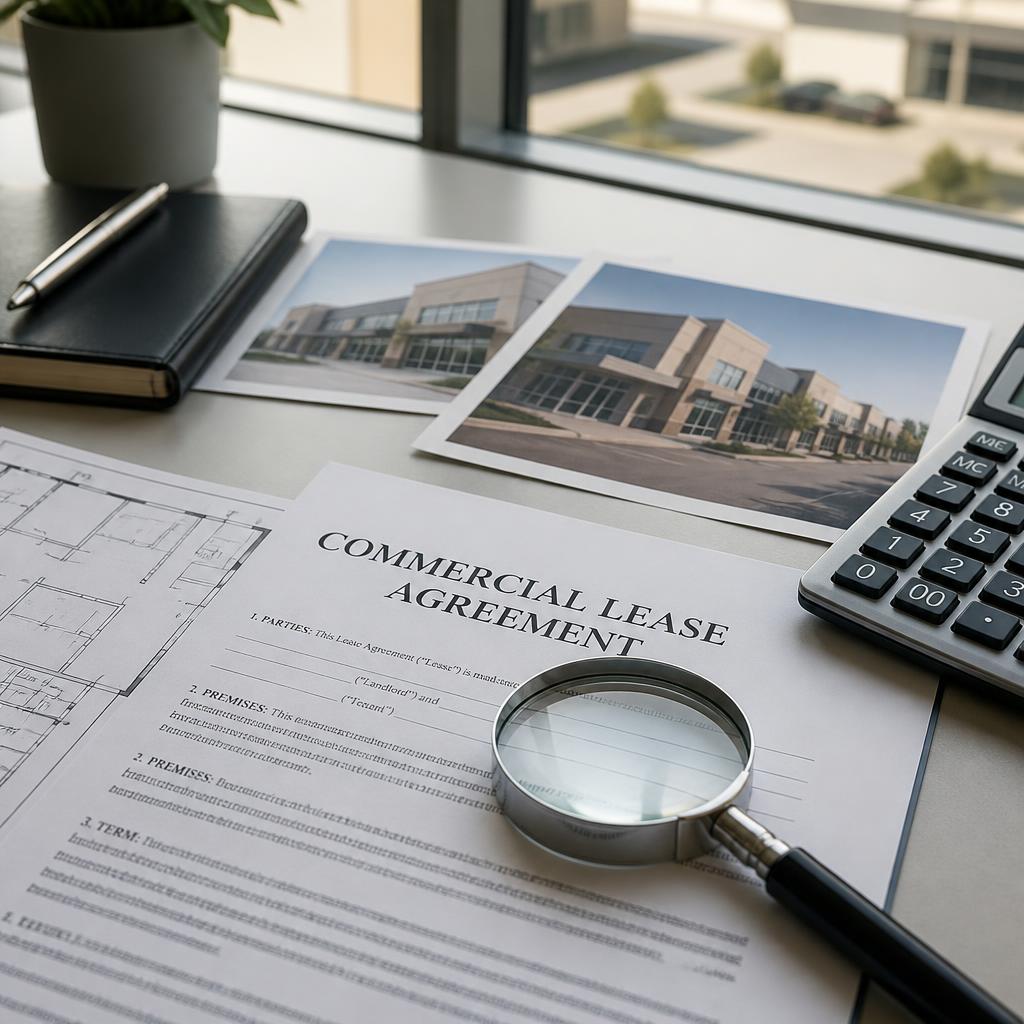
What Is Due Diligence for a Tenant in Commercial Real Estate? A Complete Guide Before Signing a Lease
Learn what tenant due diligence means in commercial real estate, what to review before signing a lease, and why it matters for restaurants, offices, retail, and medical tenants.
 Commercial Real Estate Tips
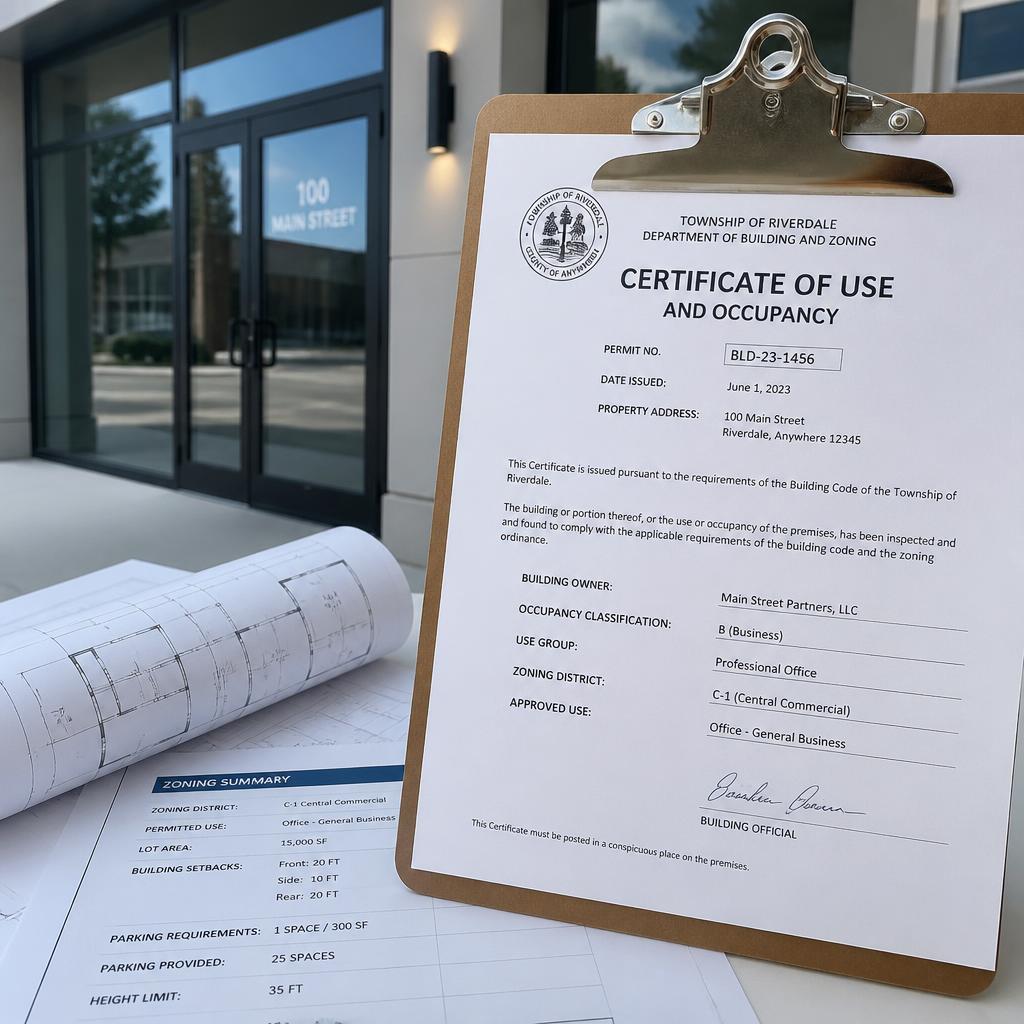
Certificate of Use (CU) in Commercial Real Estate
Learn what a Certificate of Use (CU) is, how it differs from a Certificate of Occupancy, and why it matters when leasing or purchasing commercial real estate.
Need advisory on a specific property or market?
Speak directly with Lais about your leasing, acquisition, or investment goals in South Florida.
Schedule a Consultation