What Is Due Diligence for a Tenant in Commercial Real Estate? A Complete Guide Before Signing a Lease
Learn what tenant due diligence means in commercial real estate, what to review before signing a lease, and why it matters for restaurants, offices, retail, and medical tenants.
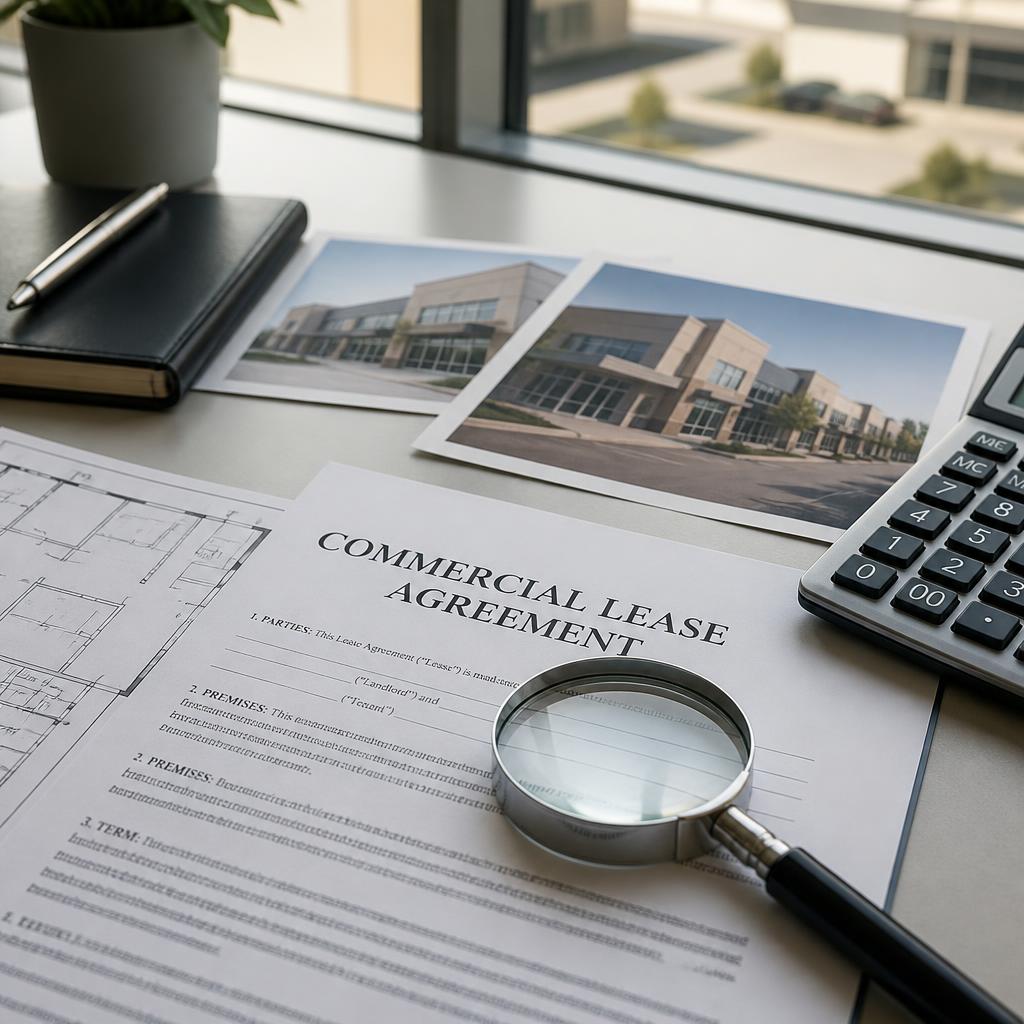
Finding the right commercial space for lease is an exciting step for any business. However, before signing a Commercial Lease Agreement, tenants should take time to perform due diligence. In commercial real estate, due diligence is the process of gathering and reviewing information about a property to determine whether it is suitable for the intended business use.
Whether you're opening a restaurant, retail store, medical office, warehouse, or professional office, due diligence helps you better understand the property's physical condition, lease terms, operating requirements, and any factors that could affect your business.
This article provides an educational overview of tenant due diligence in Commercial Real Estate and explains why it is an important part of the leasing process.
What Is Due Diligence?
In Commercial Real Estate, due diligence is the investigation and evaluation period during which a prospective tenant reviews a property before becoming legally committed under a lease.
The purpose of due diligence is to better understand the property and verify that it supports the tenant's business operations.
Depending on the property and business type, due diligence may include reviewing:
- The physical condition of the property
- Zoning and permitted use
- Utility capacity
- Building systems
- Lease terms
- Existing improvements
- Accessibility
- Parking
- Municipal requirements
Every business has different operational needs, so the scope of due diligence varies from one tenant to another.
Why Is Due Diligence Important?
A commercial lease often represents a long-term commitment. Conducting due diligence allows tenants to evaluate whether the property aligns with their business goals before moving forward.
Examples of questions tenants commonly explore include:
- Can my business legally operate here?
- Is the space large enough?
- Does the property have the infrastructure my business requires?
- Are there any physical limitations?
- Does the lease accurately reflect the agreed business terms?
Addressing these questions early can help tenants make informed decisions during the leasing process.
Reviewing the Commercial Lease Agreement
One of the most important parts of due diligence is carefully reviewing the Commercial Lease Agreement.
Common lease provisions include:
- Base rent
- Common Area Maintenance (CAM)
- Lease term
- Renewal options
- Security deposit
- Rent escalations
- Permitted use
- Exclusive use clauses
- Maintenance responsibilities
- Insurance requirements
- Default provisions
Every lease is unique, and the negotiated terms depend on the landlord, the property, and the tenant's business.
Verifying Zoning and Permitted Use
A property may appear ideal for a business, but that does not automatically mean the intended use is permitted.
As part of due diligence, tenants often verify:
- Zoning designation
- Permitted business use
- Municipal restrictions
- Occupancy limitations
- Any additional approvals required for the intended operation
This step is particularly important for restaurants, medical offices, childcare facilities, veterinary clinics, and businesses with specialized operational requirements.
Evaluating the Physical Condition of the Property
Understanding the property's condition helps tenants determine whether it supports their operational needs.
Common items reviewed include:
- Roof (when applicable)
- HVAC systems
- Plumbing
- Electrical service
- Lighting
- Flooring
- Restrooms
- Doors and windows
- Interior finishes
- Structural components
- Fire protection systems
The condition of these systems can influence renovation planning and business operations.
Infrastructure Matters
Different businesses require different types of infrastructure.
For example, a restaurant may evaluate:
- Commercial kitchen
- Grease trap or grease interceptor
- Exhaust hood system
- Gas service
- Walk-in cooler
- Utility capacity
An office tenant may instead focus on:
- Internet connectivity
- Conference rooms
- Office layout
- Electrical capacity
- Parking availability
Matching the property's infrastructure to the business concept is an important part of due diligence.
Parking, Accessibility, and Visibility
The property's location and accessibility can significantly affect daily operations.
Many tenants review:
- Parking availability
- ADA accessibility
- Customer entrances
- Delivery access
- Loading areas
- Building visibility
- Signage opportunities
- Traffic flow
- Public transportation access
These factors may influence both customer convenience and employee accessibility.
Understanding Operating Costs
The monthly rent is only one part of occupying commercial space.
During due diligence, tenants often seek to understand additional occupancy costs, which may include:
- Common Area Maintenance (CAM)
- Property taxes (depending on the lease structure)
- Insurance obligations
- Utilities
- Maintenance responsibilities
- Janitorial services
- Parking fees
- Association fees, if applicable
Reviewing these costs helps provide a clearer picture of the property's ongoing operating expenses.
Reviewing Existing Improvements
Some commercial spaces already include improvements made by previous tenants.
Examples include:
- Reception areas
- Offices
- Restaurant kitchens
- Shelving
- Flooring
- Lighting
- Bathrooms
- Warehouse racking
Understanding which improvements will remain and who is responsible for maintaining them is an important part of evaluating the property.
Asking the Right Questions
Effective due diligence often begins with asking informed questions.
Examples include:
- What type of business previously occupied the space?
- Are there any known building issues?
- Are there restrictions on operating hours?
- What maintenance responsibilities belong to the tenant?
- Are there exclusive use agreements that affect neighboring tenants?
- What improvements, if any, are included with the lease?
Clear communication with the landlord or property manager can help tenants better understand the property.
Working with a Commercial Real Estate Broker
A knowledgeable Commercial Real Estate Broker can help tenants identify suitable properties and navigate the due diligence process.
A broker may assist by:
- Identifying available commercial properties.
- Comparing lease opportunities.
- Coordinating property tours.
- Reviewing property characteristics.
- Explaining common lease provisions.
- Assisting with negotiations.
- Facilitating communication between landlords and tenants.
While brokers help guide the transaction, tenants may also work with attorneys, architects, engineers, contractors, or other qualified professionals depending on the nature of the property and business.
Final Thoughts
Due diligence is one of the most important steps in leasing Commercial Real Estate. It allows tenants to evaluate whether a property supports their intended business use and provides an opportunity to review the lease, inspect the physical space, understand operating costs, and verify important property information before making a long-term commitment.
Whether leasing a restaurant, office, retail store, warehouse, or medical space, a thorough due diligence process helps tenants gain a better understanding of the property and the obligations associated with the lease.
Frequently Asked Questions
What is due diligence in commercial real estate?
Due diligence is the process of investigating and evaluating a commercial property before signing a lease or completing a transaction. It allows tenants to review the property's condition, lease terms, zoning, and other important factors.
Why is due diligence important for tenants?
Due diligence helps tenants determine whether a property is suitable for their business operations and provides an opportunity to review important information before committing to a commercial lease.
What should tenants review during due diligence?
Common items include the commercial lease, zoning, permitted use, building condition, parking, ADA accessibility, utilities, operating costs, existing improvements, and business-specific infrastructure.
How long does the due diligence period last?
The length of the due diligence period is negotiated between the landlord and tenant and varies depending on the transaction and the complexity of the property.
Is due diligence different for every business?
Yes. A restaurant may focus on kitchen infrastructure and grease interceptors, while an office tenant may prioritize layout, parking, internet connectivity, and accessibility. The scope of due diligence depends on the business's operational needs.
How can a Commercial Real Estate Broker help during due diligence?
A Commercial Real Estate Broker can help identify suitable properties, explain lease provisions, coordinate property tours, compare available spaces, facilitate negotiations, and guide tenants through the commercial leasing process.
Authoritative references for this topic
Primary government, regulatory and industry sources readers can consult directly. This article is educational and is not legal, tax, or investment advice.
- Uniform Standards of Professional Appraisal Practice (USPAP) — The Appraisal Foundation
- Miami 21 Zoning Code and Zoning Information — City of Miami Planning Department
- FEMA Flood Map Service Center — U.S. Federal Emergency Management Agency
- ADA Standards for Accessible Design (Places of Public Accommodation) — U.S. Department of Justice
Lais Same
Lais Same is a commercial real estate broker serving Miami and South Florida, representing property owners, landlords, investors, buyers, and tenants in commercial property sales, leasing, investment transactions, valuation, and market analysis. Learn more about Lais Same or discuss a commercial property.
 Commercial Real Estate Tips
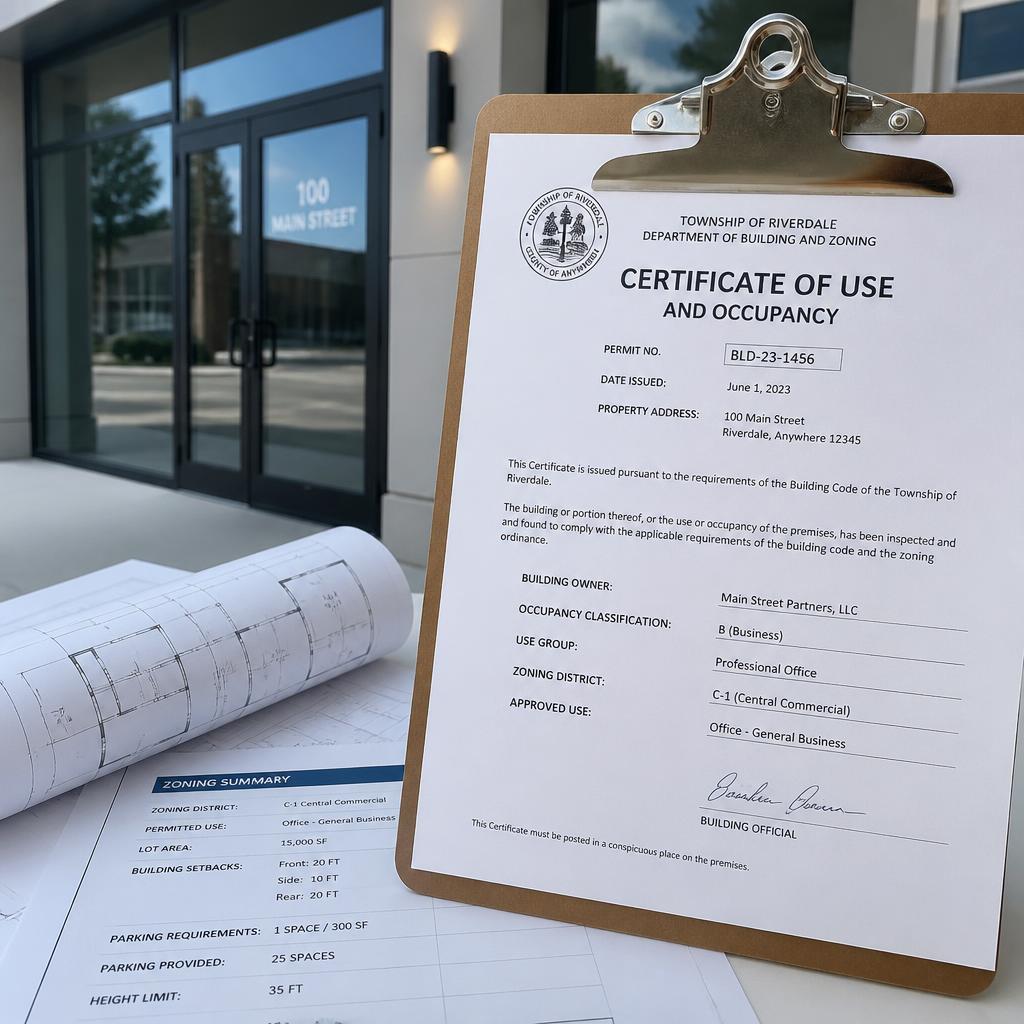
Certificate of Use (CU) in Commercial Real Estate
Learn what a Certificate of Use (CU) is, how it differs from a Certificate of Occupancy, and why it matters when leasing or purchasing commercial real estate.
 Commercial Real Estate Tips
Mixed-Use Properties in Commercial Real Estate
Learn what mixed-use properties are, how they combine retail, office, residential, and hospitality uses, and why they are an important part of modern commercial real estate.
 Restaurant Real Estate
Liquor Licenses in Miami Commercial Real Estate: What Every Restaurant, Bar, and Hospitality Business Should Know
Learn how liquor licenses affect restaurant and bar site selection in Miami and why licensing is an important part of commercial real estate due diligence.
Need advisory on a specific property or market?
Speak directly with Lais about your leasing, acquisition, or investment goals in South Florida.
Schedule a Consultation