Mixed-Use Properties in Commercial Real Estate
Learn what mixed-use properties are, how they combine retail, office, residential, and hospitality uses, and why they are an important part of modern commercial real estate.
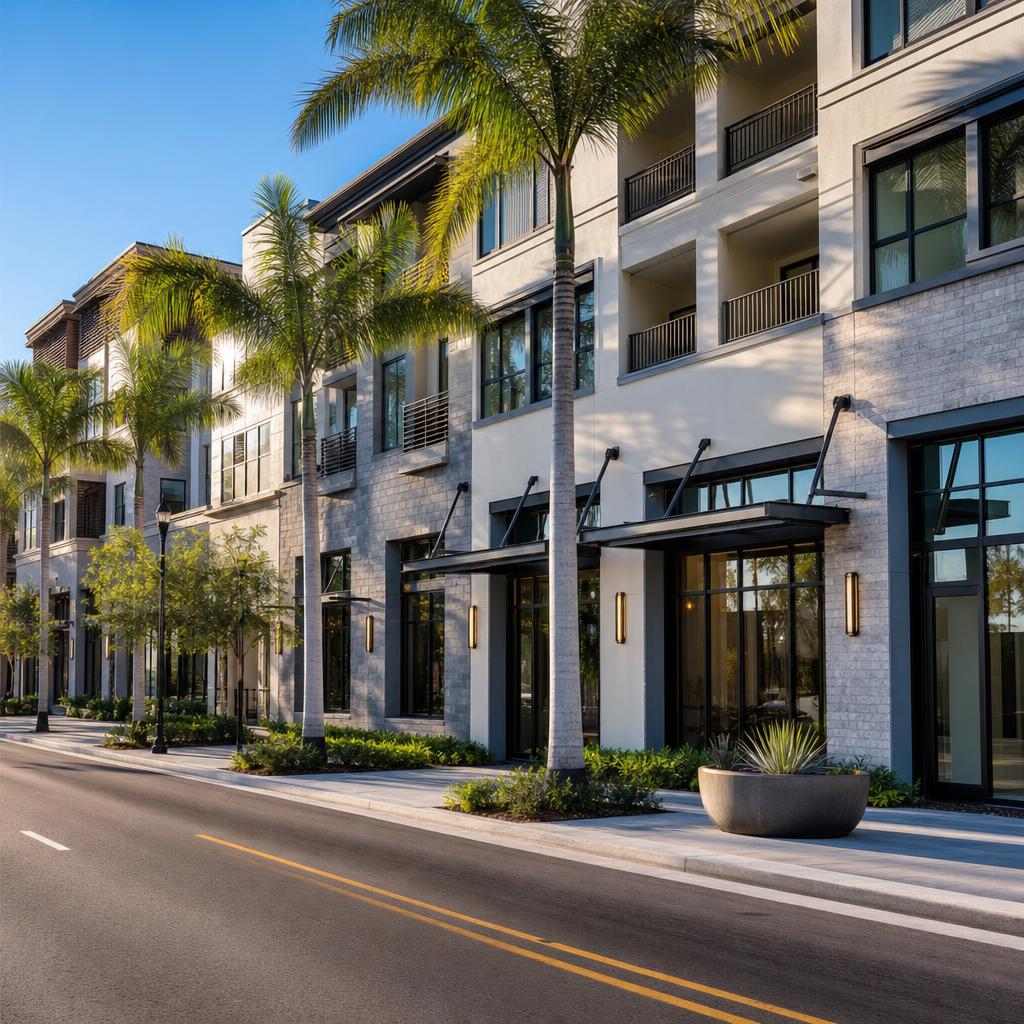
As cities continue to grow, mixed-use properties have become one of the most popular developments in Commercial Real Estate. By combining residential, retail, office, hospitality, and entertainment uses within a single project, mixed-use developments create vibrant environments where people can live, work, shop, dine, and socialize without traveling long distances.
Whether you're searching for commercial space for lease, considering purchasing a commercial property, or looking for the ideal location to open a business, understanding mixed-use properties can help you better evaluate today's commercial real estate market.
This article provides an educational overview of mixed-use developments, their characteristics, and why they have become an important part of modern commercial real estate.
What Is a Mixed-Use Property?
A mixed-use property is a commercial real estate development that combines two or more different property uses within the same building or development.
These uses commonly include:
- Retail stores
- Restaurants and cafés
- Office space
- Residential apartments or condominiums
- Hotels
- Medical offices
- Entertainment venues
- Fitness centers
- Professional services
The goal of a mixed-use development is to create a destination where people can meet multiple daily needs in one location.
Types of Mixed-Use Developments
Mixed-use properties come in many different forms depending on the size of the project and local zoning regulations.
Vertical Mixed-Use
In a vertical mixed-use development, different uses are stacked within the same building.
A common example includes:
- Ground floor retail
- Second-floor offices
- Upper-floor apartments or condominiums
These projects are common in downtown districts and urban neighborhoods.
Horizontal Mixed-Use
A horizontal mixed-use development spreads different property types across multiple buildings within the same project.
For example, one development may include:
- Retail buildings
- Office buildings
- Apartment communities
- Restaurants
- Hotels
- Public gathering spaces
Although the uses are in separate buildings, they function together as one integrated development.
Why Mixed-Use Properties Are Growing in Popularity
Many cities encourage mixed-use development because it promotes walkability and creates active commercial districts.
Some of the reasons these properties continue to grow include:
- Increased pedestrian activity
- Convenience for residents
- Efficient land use
- Diverse business opportunities
- Strong neighborhood activity
- Reduced dependence on driving
- Community gathering spaces
These characteristics have made mixed-use developments increasingly common in both urban and suburban markets.
Common Businesses Found in Mixed-Use Developments
Many different business types operate successfully within mixed-use properties.
Examples include:
- Coffee shops
- Restaurants
- Bakeries
- Medical offices
- Dental practices
- Real estate offices
- Insurance agencies
- Law firms
- Fitness studios
- Banks
- Boutiques
- Grocery stores
- Day spas
- Professional service providers
The combination of residents, office workers, and visitors can create a diverse customer base throughout the day.
Advantages of Leasing Commercial Space in a Mixed-Use Development
Businesses often choose mixed-use properties because of the built-in activity created by multiple property uses.
Potential advantages may include:
- Consistent pedestrian traffic
- Built-in residential customer base
- Nearby office employees
- Convenient access for customers
- Diverse tenant mix
- Shared parking
- Modern building design
- Attractive common areas
The benefits vary depending on the location, tenant mix, and overall design of the development.
Considerations Before Leasing Space
Although mixed-use developments offer many opportunities, evaluating the property carefully remains an important part of the leasing process.
Business owners often review:
- Visibility
- Parking availability
- Customer accessibility
- Building hours
- Delivery access
- Signage opportunities
- Lease structure
- Common Area Maintenance (CAM) charges
- Tenant mix
- Exclusive use provisions
- Zoning compatibility
- Future phases of the development
Each property operates differently, so understanding these factors helps provide a clearer picture of how the space may function.
Mixed-Use Properties and Commercial Leasing
A Commercial Lease Agreement in a mixed-use development may include provisions related to shared common areas, maintenance responsibilities, operating hours, signage standards, and property rules.
Depending on the project, tenants may also be subject to architectural guidelines or operating requirements established by the property owner or management.
Understanding these lease provisions is an important part of evaluating any commercial space.
Mixed-Use Properties and Commercial Property Values
Mixed-use developments often attract interest because they combine multiple property types within a single project.
Factors that may influence the value and appeal of these developments include:
- Location
- Population growth
- Residential density
- Retail demand
- Office occupancy
- Walkability
- Accessibility
- Public transportation
- Tenant diversity
- Overall project design
Like any commercial real estate asset, every mixed-use property should be evaluated individually.
How a Commercial Real Estate Broker Can Help
A knowledgeable Commercial Real Estate Broker can help business owners, landlords, tenants, and investors evaluate mixed-use developments and compare available commercial spaces.
A broker may assist by:
- Identifying available commercial properties.
- Comparing lease opportunities.
- Evaluating tenant mix.
- Reviewing location characteristics.
- Coordinating property tours.
- Explaining common commercial lease provisions.
- Assisting throughout the commercial leasing or acquisition process.
Because every business has unique operational needs, selecting the right location involves much more than choosing available square footage.
Final Thoughts
Mixed-use properties have become an important part of today's Commercial Real Estate market by combining residential, retail, office, hospitality, and entertainment uses into one integrated environment. These developments create active communities that serve residents, businesses, employees, and visitors throughout the day.
Whether you're looking for retail space for lease, office space for lease, restaurant space, or another type of commercial property, understanding how mixed-use developments operate can help you better evaluate available opportunities and determine whether a particular location aligns with your business goals.
Frequently Asked Questions
What is a mixed-use property?
A mixed-use property is a commercial real estate development that combines two or more different property uses—such as retail, office, residential, hotel, or entertainment—within the same building or project.
What is the difference between vertical and horizontal mixed-use developments?
A vertical mixed-use development places different uses on separate floors within the same building, while a horizontal mixed-use development spreads different property types across multiple buildings within one integrated project.
What businesses are commonly found in mixed-use developments?
Restaurants, cafés, retail stores, medical offices, professional services, fitness studios, banks, boutiques, grocery stores, and many other businesses commonly operate in mixed-use properties.
Why do businesses lease space in mixed-use developments?
Many businesses are attracted to mixed-use developments because they often offer consistent pedestrian activity, nearby residents, office workers, convenient access, and a diverse customer base.
What should tenants evaluate before leasing space in a mixed-use property?
Common considerations include visibility, parking, accessibility, signage, tenant mix, lease terms, CAM charges, delivery access, operating hours, and overall property design.
How can a Commercial Real Estate Broker help?
A Commercial Real Estate Broker can help identify available mixed-use properties, compare lease opportunities, explain commercial lease provisions, coordinate property tours, and assist throughout the leasing or purchasing process.
Authoritative references for this topic
Primary government, regulatory and industry sources readers can consult directly. This article is educational and is not legal, tax, or investment advice.
- Miami 21 Zoning Code and Zoning Information — City of Miami Planning Department
- FEMA Flood Map Service Center — U.S. Federal Emergency Management Agency
- ADA Standards for Accessible Design (Places of Public Accommodation) — U.S. Department of Justice
- Division of Hotels and Restaurants — Licensing a Food Service Establishment — Florida Department of Business & Professional Regulation
Lais Same
Lais Same is a commercial real estate broker serving Miami and South Florida, representing property owners, landlords, investors, buyers, and tenants in commercial property sales, leasing, investment transactions, valuation, and market analysis. Learn more about Lais Same or discuss a commercial property.
 Restaurant Real Estate
Liquor Licenses in Miami Commercial Real Estate: What Every Restaurant, Bar, and Hospitality Business Should Know
Learn how liquor licenses affect restaurant and bar site selection in Miami and why licensing is an important part of commercial real estate due diligence.
 Commercial Real Estate Tips
ADA Compliance in Commercial Real Estate: What Property Owners and Business Tenants Should Know
Understand the basics of ADA compliance in commercial real estate and why accessibility matters when leasing, buying, or renovating commercial property.
 Retail
Inline vs. Endcap Retail Space: Understanding the Differences in Commercial Real Estate
Learn the key differences between inline and endcap retail spaces, including visibility, accessibility, signage, and rent considerations.
Need advisory on a specific property or market?
Speak directly with Lais about your leasing, acquisition, or investment goals in South Florida.
Schedule a Consultation