Inline vs. Endcap Retail Space: Understanding the Differences in Commercial Real Estate
Learn the key differences between inline and endcap retail spaces, including visibility, accessibility, signage, and rent considerations.
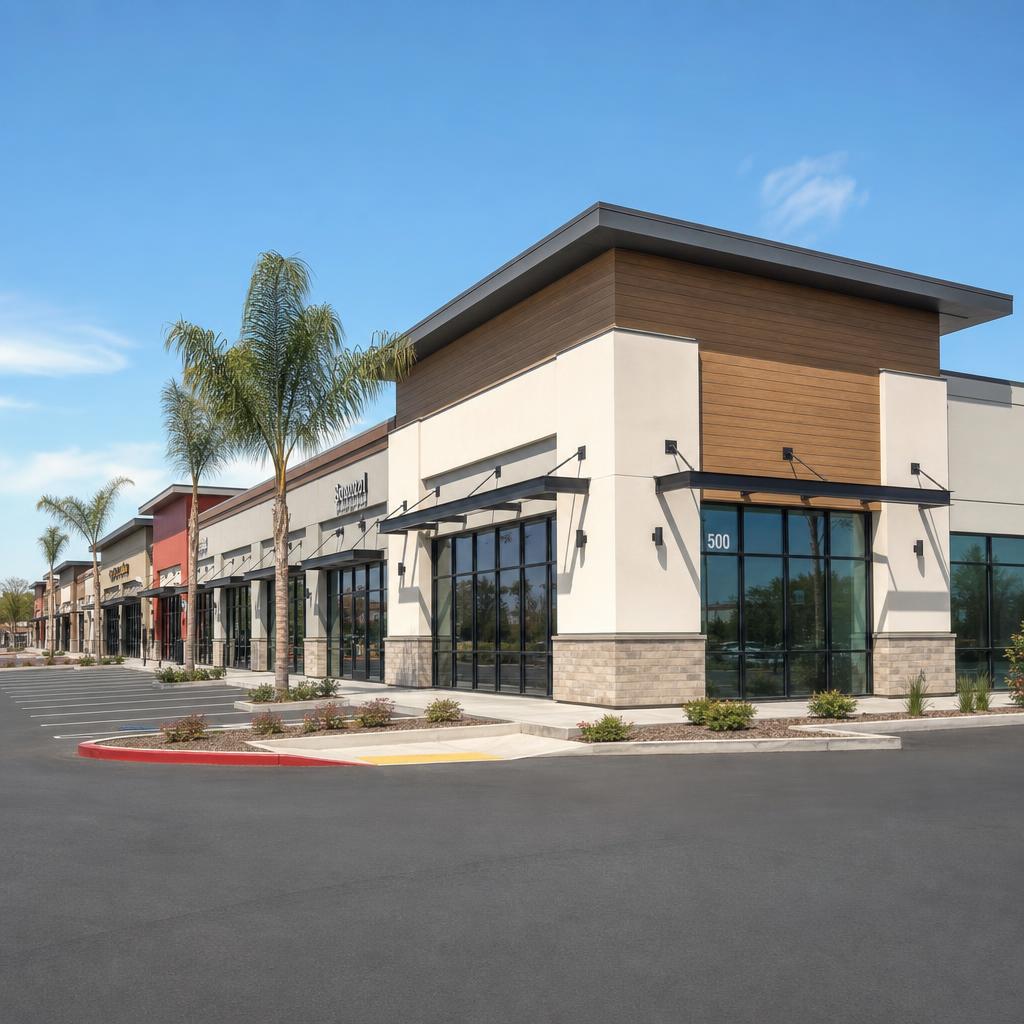
When searching for retail space for lease, one of the first decisions business owners encounter is whether an inline retail space or an endcap retail space is the better fit for their business. While both are commonly found in shopping centers, strip malls, and mixed-use developments, each offers different advantages in terms of visibility, accessibility, customer traffic, and overall location within the property.
Understanding the differences between inline and endcap spaces can help business owners better evaluate commercial properties and determine which type of location best aligns with their operational needs.
This article provides an educational overview of inline and endcap retail spaces in Commercial Real Estate.
What Is an Inline Retail Space?
An inline retail space is a unit located between two other tenants within a shopping center or retail plaza. These spaces typically have one storefront that faces the parking lot, sidewalk, or common pedestrian area.
Inline spaces are the most common type of retail unit in commercial shopping centers.
Examples of businesses frequently located in inline spaces include:
- Boutique retailers
- Insurance agencies
- Tax preparation offices
- Real estate offices
- Nail salons
- Small cafés
- Cell phone stores
- Service businesses
- Professional offices
Because inline spaces share walls with neighboring tenants, they generally have a single customer entrance and a single storefront.
What Is an Endcap Retail Space?
An endcap retail space is located at either end of a shopping center or retail building. Unlike inline spaces, endcap units usually have exposure on two sides of the building.
Depending on the property, an endcap space may offer:
- Additional storefront windows
- Side entrances
- Greater street visibility
- Increased signage opportunities
- Better customer access
- Outdoor seating potential (where permitted)
These features often make endcap spaces attractive to businesses that benefit from maximum visibility.
Visibility: Inline vs. Endcap
One of the biggest differences between these two space types is visibility.
Inline Space
Inline locations typically rely on customers entering the shopping center before noticing the business. Their visibility comes primarily from the main storefront and neighboring tenant traffic.
Endcap Space
Endcap locations often have exposure to both the shopping center and passing traffic along adjacent roads. The additional frontage and corner position can make these spaces more noticeable to customers.
Customer Access
Accessibility is another important factor when evaluating retail space.
Inline spaces generally have:
- One main customer entrance
- Shared pedestrian access
- Parking directly in front of the storefront
Endcap spaces may offer:
- Multiple entrances
- Easier customer circulation
- Additional parking nearby
- Improved accessibility from different directions
The exact layout depends on the shopping center's design.
Signage Opportunities
Signage is an important consideration for many retail businesses.
Inline tenants usually have access to:
- Storefront signage
- Monument signs (if provided by the shopping center)
Endcap tenants may also have:
- Side-wall signage
- Additional window displays
- Greater visibility from adjacent streets
- Enhanced branding opportunities, subject to the landlord's sign criteria and local regulations
Because every shopping center has different sign standards, available signage should always be confirmed with the landlord.
Rent Differences
In many shopping centers, endcap retail spaces may command higher rental rates than comparable inline spaces.
This difference is often due to:
- Increased visibility
- Additional storefront exposure
- Better access
- Premium corner locations
- Higher perceived marketing value
However, rental rates vary depending on factors such as market conditions, location, property quality, tenant demand, and lease terms.
Which Businesses Often Prefer Inline Space?
Many businesses operate successfully in inline locations, including:
- Accounting firms
- Insurance agencies
- Professional services
- Tax offices
- Beauty salons
- Specialty retail stores
- Boutique fitness studios
- Medical offices (where permitted)
For businesses that rely heavily on scheduled appointments or repeat customers, an inline location may provide everything they need.
Which Businesses Often Prefer Endcap Space?
Businesses that depend on visibility, impulse traffic, or easy customer access may find endcap locations particularly attractive.
Examples include:
- Restaurants
- Coffee shops
- Ice cream stores
- Pharmacies
- Quick-service restaurants
- Banks
- Convenience stores
- Fitness centers
- Specialty food retailers
An endcap's prominent location can help increase brand exposure and customer awareness.
Other Factors to Consider
While the location within a shopping center is important, it is only one part of evaluating a commercial property.
Business owners often consider:
- Traffic counts
- Parking availability
- Tenant mix
- Anchor tenants
- Demographics
- Visibility
- Accessibility
- Lease structure
- CAM charges
- Future development in the area
These factors can all influence how a location functions for a particular business.
How a Commercial Real Estate Broker Can Help
A knowledgeable Commercial Real Estate Broker can help business owners compare inline and endcap opportunities based on their business goals and operational needs.
A broker may assist by:
- Identifying available retail spaces
- Comparing lease terms
- Evaluating shopping center layouts
- Reviewing visibility and accessibility
- Explaining common commercial lease provisions
- Coordinating property tours
- Assisting throughout the leasing process
Every business has different priorities, and selecting the right retail space involves evaluating much more than rent alone.
Final Thoughts
Both inline retail spaces and endcap retail spaces play important roles in commercial shopping centers. While inline spaces are often well suited for businesses that rely on destination customers or appointments, endcap spaces typically offer greater visibility, additional exposure, and enhanced signage opportunities.
Choosing between an inline or endcap location depends on the property's characteristics, the business concept, customer behavior, and the goals of the tenant. Understanding these differences can help business owners make more informed decisions when evaluating Commercial Real Estate opportunities.
Frequently Asked Questions
What is an inline retail space?
An inline retail space is a commercial unit located between two other tenants within a shopping center or retail plaza, typically with one storefront facing the parking lot or pedestrian area.
What is an endcap retail space?
An endcap retail space is located at the end of a retail building or shopping center and usually has exposure on two sides, providing increased visibility and additional signage opportunities.
Is an endcap space usually more expensive?
In many markets, endcap spaces may have higher rental rates because of their premium location, increased visibility, and greater customer exposure. Actual rental rates vary by property and market conditions.
Which businesses benefit most from an endcap location?
Restaurants, cafés, coffee shops, pharmacies, banks, convenience stores, and other businesses that benefit from high visibility and easy access often seek endcap locations.
Are inline spaces a good option for professional services?
Yes. Many professional offices, service businesses, boutiques, and appointment-based businesses operate successfully in inline retail spaces.
Can a Commercial Real Estate Broker help compare inline and endcap spaces?
Yes. A Commercial Real Estate Broker can help identify available retail spaces, explain lease terms, evaluate shopping center layouts, and compare locations based on a business's operational needs.
Authoritative references for this topic
Primary government, regulatory and industry sources readers can consult directly. This article is educational and is not legal, tax, or investment advice.
- Miami 21 Zoning Code and Zoning Information — City of Miami Planning Department
- FEMA Flood Map Service Center — U.S. Federal Emergency Management Agency
- ADA Standards for Accessible Design (Places of Public Accommodation) — U.S. Department of Justice
- Division of Hotels and Restaurants — Licensing a Food Service Establishment — Florida Department of Business & Professional Regulation
Lais Same
Lais Same is a commercial real estate broker serving Miami and South Florida, representing property owners, landlords, investors, buyers, and tenants in commercial property sales, leasing, investment transactions, valuation, and market analysis. Learn more about Lais Same or discuss a commercial property.
 Restaurant Real Estate
Grease Traps in Miami-Dade County: Why Every Restaurant Tenant Should Verify Them Before Leasing Commercial Space
Learn why grease traps and grease interceptors are critical due diligence items when leasing restaurant space in Miami-Dade County.
 Restaurant Real Estate
Opening a Restaurant in Miami: A Commercial Real Estate Guide for Restaurant Owners
Learn the key commercial real estate considerations for opening a restaurant in Miami, including location, lease structure, build-out costs, parking, signage, and local regulations.
 Commercial Real Estate Tips
How to Choose the Right Commercial Real Estate Broker: A Guide for Business Owners and Investors
Learn what to look for when choosing a Commercial Real Estate Broker, including experience, local market knowledge, negotiation skills, and communication.
Need advisory on a specific property or market?
Speak directly with Lais about your leasing, acquisition, or investment goals in South Florida.
Schedule a Consultation