How to Choose the Right Commercial Real Estate Broker: A Guide for Business Owners and Investors
Learn what to look for when choosing a Commercial Real Estate Broker, including experience, local market knowledge, negotiation skills, and communication.
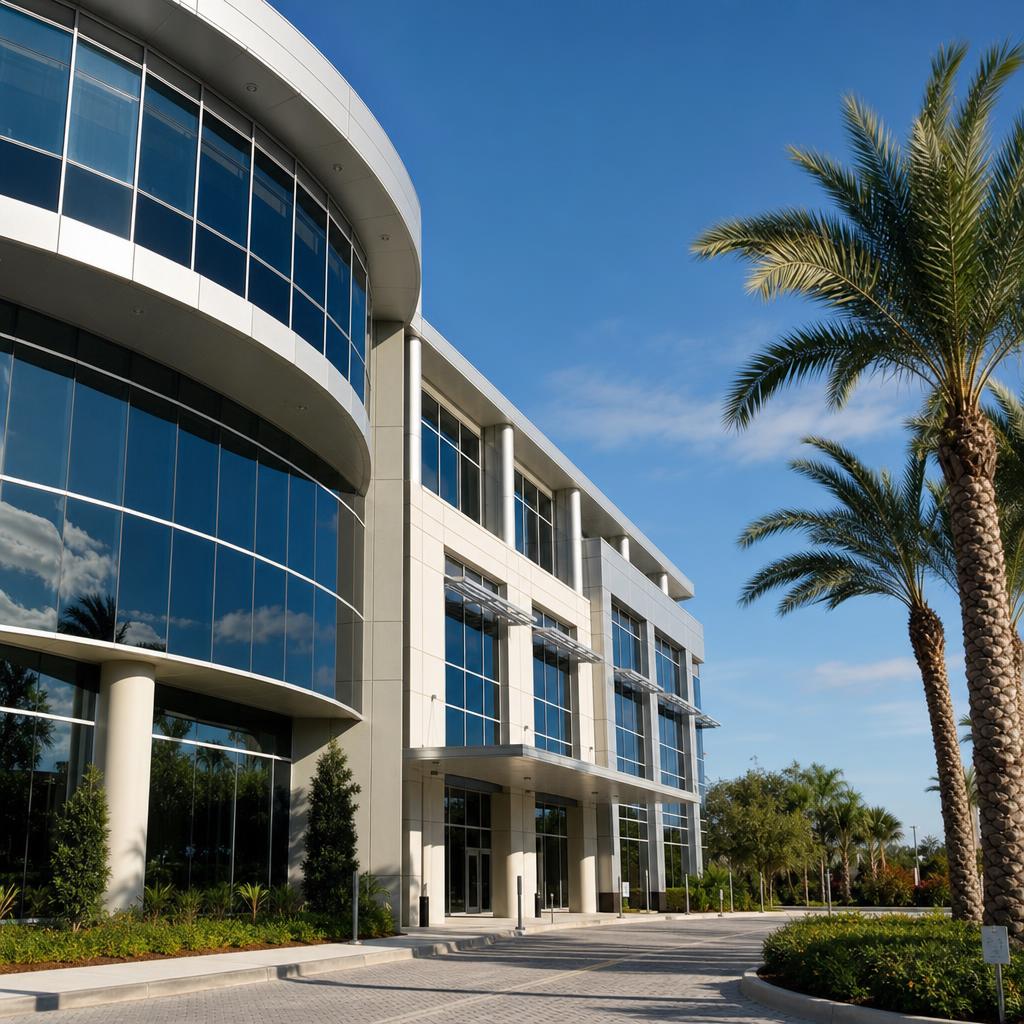
Whether you're leasing your first retail space, purchasing an investment property, relocating your office, or selling a commercial building, one of the most important decisions you'll make is choosing the right Commercial Real Estate Broker. The right broker can help simplify the process, provide valuable market insights, and guide you through the complexities of a Commercial Real Estate transaction.
Commercial real estate transactions are often more complex than residential deals. They involve lease negotiations, market analysis, zoning considerations, investment metrics, due diligence, and contract terms that require specialized knowledge. For that reason, selecting a broker with the right experience and expertise can make a significant difference throughout the process.
This article explains what to look for when choosing a Commercial Real Estate Broker and why the right professional can add value to your commercial real estate journey.
Why a Commercial Real Estate Broker Matters
A Commercial Real Estate Broker acts as a market professional who helps clients buy, sell, lease, or invest in commercial properties.
Unlike residential real estate, commercial transactions often involve multiple parties, longer negotiation periods, detailed financial analysis, and property-specific considerations. A broker's role is to help coordinate the process while providing market knowledge and transaction support.
Whether the property is an office building, shopping center, warehouse, restaurant space, industrial facility, or mixed-use development, each transaction requires an understanding of the local commercial real estate market.
Look for Commercial Real Estate Experience
Commercial real estate covers many different property types, including:
- Retail properties
- Office buildings
- Industrial properties
- Warehouses
- Shopping centers
- Medical offices
- Multifamily investments
- Mixed-use developments
- Restaurants
- Land for development
A broker who regularly works with your type of property may be more familiar with the market, leasing practices, and industry terminology associated with that asset class.
Understand the Local Market
Real estate is highly local.
A broker with knowledge of the local market may have a better understanding of:
- Rental rates
- Property values
- Vacancy trends
- New developments
- Traffic patterns
- Demographics
- Zoning considerations
- Business districts
- Market demand
Understanding these factors can help provide valuable context when evaluating commercial properties or negotiating lease terms.
Strong Negotiation Skills Matter
Commercial real estate transactions often involve negotiations on much more than price.
Discussions may include:
- Base rent
- Lease term
- Tenant Improvement (TI) Allowance
- Rent Abatement
- Common Area Maintenance (CAM)
- Security deposit
- Renewal options
- Exclusive Use clauses
- Purchase price
- Closing timelines
A broker with strong negotiation skills can help facilitate productive discussions between the parties throughout the transaction.
Communication Is Essential
Commercial transactions often involve landlords, tenants, buyers, sellers, lenders, attorneys, contractors, inspectors, and property managers.
A broker who communicates clearly and consistently helps keep everyone informed as the transaction progresses.
Effective communication may include:
- Timely updates
- Clear explanations
- Coordination between parties
- Prompt responses
- Organized documentation
- Scheduling property tours and meetings
Good communication helps reduce misunderstandings and keeps the process moving efficiently.
Ask About Marketing Strategies
If you are selling or leasing commercial property, ask how the broker plans to market your listing.
Marketing strategies may include:
- Commercial listing platforms
- Commercial real estate websites
- Broker networks
- Direct outreach
- Email marketing
- Social media marketing
- Property brochures
- Professional photography
- Video tours
- Digital advertising
The marketing approach often depends on the property type, target audience, and market conditions.
Professional Network and Industry Relationships
Experienced commercial brokers often work with a network of professionals, including:
- Commercial lenders
- Property managers
- Contractors
- Architects
- Engineers
- Attorneys
- Surveyors
- Title companies
- Inspectors
These professional relationships can help facilitate different stages of a commercial real estate transaction.
Market Knowledge Beyond Listings
Finding available properties is only one part of commercial real estate.
An experienced broker may also help clients understand:
- Comparable lease rates
- Comparable sales
- Investment trends
- Market absorption
- Supply and demand
- Emerging business districts
- Development activity
- Tenant demand
- Property positioning
Understanding market conditions can provide valuable context during a commercial real estate transaction.
Technology and Market Exposure
Today's commercial real estate industry relies heavily on technology.
Many brokers use tools such as:
- Commercial property databases
- Geographic mapping
- Market analytics
- Customer relationship management (CRM) systems
- Digital marketing
- Electronic signatures
- Virtual property tours
Technology can improve communication, organization, and access to market information throughout the transaction.
Questions to Ask Before Hiring a Commercial Real Estate Broker
Before selecting a broker, many business owners and investors ask questions such as:
- What types of commercial properties do you specialize in?
- How familiar are you with my target market?
- What services do you provide during the transaction?
- How do you market commercial listings?
- What is your communication process?
- How do you stay informed about local market trends?
- What experience do you have with transactions similar to mine?
These questions can help you better understand whether a broker's experience aligns with your commercial real estate goals.
Qualities of a Strong Commercial Real Estate Broker
Although every client has different priorities, many successful brokers share qualities such as:
- Professionalism
- Integrity
- Market knowledge
- Strong communication
- Organization
- Responsiveness
- Negotiation skills
- Attention to detail
- Problem-solving ability
- Commitment to client service
These qualities contribute to a smoother transaction experience.
Final Thoughts
Choosing the right Commercial Real Estate Broker is one of the most important decisions when buying, selling, leasing, or investing in Commercial Real Estate.
An experienced broker can help clients better understand the market, explain commercial real estate terminology, coordinate the transaction process, and facilitate communication among all parties involved.
Whether you're searching for office space for lease, retail space for lease, purchasing a commercial investment property, or marketing a commercial building for sale, selecting a knowledgeable broker can help you navigate the process with greater confidence and understanding.
Frequently Asked Questions
What does a Commercial Real Estate Broker do?
A Commercial Real Estate Broker assists clients with buying, selling, leasing, and investing in commercial properties while helping coordinate negotiations, market research, property marketing, and transaction management.
Why should I hire a Commercial Real Estate Broker instead of searching on my own?
A broker provides market knowledge, access to commercial property opportunities, negotiation support, and guidance throughout the commercial real estate transaction process.
What should I look for in a Commercial Real Estate Broker?
Many clients consider factors such as commercial real estate experience, local market knowledge, communication skills, professionalism, negotiation ability, and familiarity with the type of property involved in the transaction.
Does every Commercial Real Estate Broker specialize in the same property types?
No. Some brokers focus on retail properties, office buildings, industrial facilities, investment properties, multifamily assets, land development, restaurants, or other commercial sectors.
How can a Commercial Real Estate Broker help with lease negotiations?
A broker can help explain common commercial lease terms, facilitate discussions between the parties, compare market conditions, and assist throughout the negotiation process.
When should I contact a Commercial Real Estate Broker?
Many buyers, sellers, landlords, tenants, and investors begin working with a Commercial Real Estate Broker early in the process to better understand the market, evaluate opportunities, and prepare for a successful commercial real estate transaction.
Schedule a Consultation
If you are looking for guidance with a commercial real estate transaction in South Florida, I can help. Contact me today to schedule a consultation and discuss your commercial real estate needs.
Disclaimer: All information provided in this article is for educational purposes only and does not constitute legal, financial, tax, or professional advice. You should verify the information with a qualified professional in the appropriate field before making any business, investment, legal, or financial decision.
Authoritative references for this topic
Primary government, regulatory and industry sources readers can consult directly. This article is educational and is not legal, tax, or investment advice.
- Miami 21 Zoning Code and Zoning Information — City of Miami Planning Department
- PortMiami Cargo and Trade Statistics — Miami-Dade County / PortMiami
- Division of Hotels and Restaurants — Licensing a Food Service Establishment — Florida Department of Business & Professional Regulation
- Florida Statutes Chapter 83 — Landlord and Tenant (Part I, Nonresidential) — The Florida Senate
Lais Same
Lais Same is a commercial real estate broker serving Miami and South Florida, representing property owners, landlords, investors, buyers, and tenants in commercial property sales, leasing, investment transactions, valuation, and market analysis. Learn more about Lais Same or discuss a commercial property.
 Leasing
What Is an Exclusive Use Clause in Commercial Real Estate?
Learn what an Exclusive Use Clause is in commercial leasing, why retailers and restaurants often negotiate it, and how it may affect landlords and tenants.
 Leasing
What Happens When a Commercial Lease Expires?
Understand what typically happens when a commercial lease expires, including renewal options, holdover provisions, and common mistakes business owners should avoid.
 Leasing
What Is Rent Abatement in Commercial Real Estate? A Complete Guide for Landlords and Tenants
Learn what rent abatement is, how it works in commercial lease negotiations, and why it matters for landlords and tenants structuring a lease agreement.
Need advisory on a specific property or market?
Speak directly with Lais about your leasing, acquisition, or investment goals in South Florida.
Schedule a Consultation