What Happens When a Commercial Lease Expires?
Understand what typically happens when a commercial lease expires, including renewal options, holdover provisions, and common mistakes business owners should avoid.
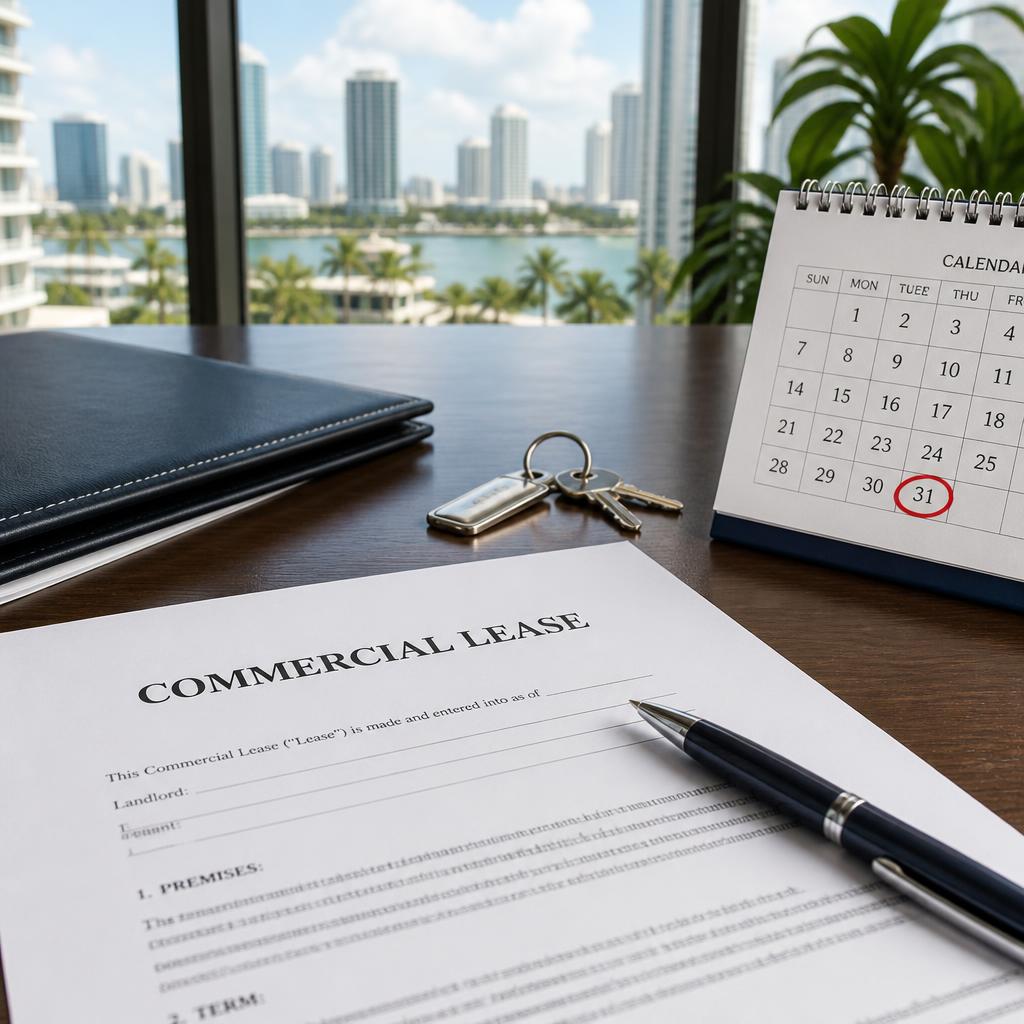
Every commercial lease has a beginning and an end. While much attention is given to negotiating the lease before it is signed, many business owners don't start thinking about the expiration date until it is quickly approaching. Understanding what typically happens when a commercial lease expires is an important part of managing a business and planning for the future.
Whether you lease retail space, office space, restaurant space, warehouse space, or industrial property, knowing the possible outcomes at the end of a lease term can help you better understand how Commercial Real Estate transactions work.
This article explains, in general terms, what may happen when a commercial lease expires and the options that are commonly addressed in commercial lease agreements.
What Does It Mean When a Commercial Lease Expires
A commercial lease expires when the agreed lease term comes to an end as specified in the Commercial Lease Agreement.
At that point, the rights and responsibilities of the landlord and tenant are generally determined by the lease itself and any applicable laws. Because every lease is different, the outcome when a lease expires depends largely on the language negotiated between the parties.
There is no single rule that applies to every commercial property.
Common Outcomes When a Commercial Lease Expires
Although every lease is unique, several common scenarios may occur when the lease reaches its expiration date.
- The Lease Is Renewed
Many commercial leases include one or more renewal options that may allow the tenant to continue leasing the property for an additional term if the conditions outlined in the lease are satisfied.
Renewal options often address matters such as:
- Length of the renewal term
- Rental rate or method for determining rent
- Notice requirements
- Conditions for exercising the option
Not every lease includes renewal rights, and the specific requirements vary from one agreement to another.
- The Landlord and Tenant Negotiate a New Lease
Even if the lease does not contain a renewal option, the parties may choose to negotiate an entirely new Commercial Lease Agreement.
During these negotiations, many business terms may be revisited, including:
- Base rent
- Lease term
- Rent escalations
- Tenant Improvement Allowances
- Common Area Maintenance (CAM)
- Security deposit
- Permitted use
- Maintenance responsibilities
The new lease may differ significantly from the original agreement depending on market conditions and the needs of both parties.
- The Tenant Vacates the Property
If the lease expires and no extension or new agreement is reached, the tenant may vacate the commercial property.
Moving out often involves more than simply returning the keys.
Commercial leases commonly include provisions addressing matters such as:
- Removal of personal property
- Restoration obligations
- Cleaning requirements
- Return of access devices
- Final inspections
- Condition of the premises upon surrender
The specific requirements depend on the lease agreement.
- The Tenant Remains in Possession
In some situations, a tenant may continue occupying the property after the lease expiration date.
Commercial leases frequently contain provisions describing what may occur if this happens. These provisions are often referred to as holdover clauses.
The consequences of remaining in possession after the lease expires depend on the specific lease language and applicable law.
What Is a Holdover Tenant
A holdover tenant is generally a tenant who continues occupying a commercial property after the lease term has ended.
Many commercial leases include specific provisions that address:
- Rent during the holdover period
- Length of the holdover occupancy
- Rights of the landlord
- Responsibilities of the tenant
- Notice requirements
The treatment of holdover occupancy varies from lease to lease.
Why Planning Ahead Matters
Commercial lease negotiations often begin well before the lease expiration date.
This is particularly important for businesses that have invested significant time and money into their location, including:
- Restaurants
- Medical offices
- Retail stores
- Fitness centers
- Veterinary clinics
- Professional offices
- Manufacturing facilities
Starting discussions early may provide additional time for evaluating available options, whether that involves renewing the lease, relocating, or negotiating new business terms.
Factors That May Affect Lease Renewal
Every commercial leasing transaction is different, and many factors may influence whether a lease is renewed or replaced with a new agreement.
These factors may include:
- Current market rental rates
- Vacancy levels
- Tenant payment history
- Property improvements
- Business performance
- Future development plans
- Length of the existing tenancy
- Overall market conditions
Each factor may play a role depending on the property and the parties involved.
What Happens to Tenant Improvements
Many businesses invest substantial resources into improving their leased commercial space.
Examples include:
- Interior walls
- Flooring
- Restaurant kitchens
- Lighting
- Plumbing
- Office build-outs
- Reception areas
- Custom cabinetry
What happens to these improvements when the lease expires depends on the specific provisions of the lease agreement.
Some improvements may remain with the property, while others may be removable, depending on the negotiated terms.
Security Deposits at Lease Expiration
Commercial leases often address how security deposits are handled once the lease ends.
The lease may establish procedures related to:
- Final inspections
- Outstanding obligations
- Property condition
- Return of keys
- Financial reconciliations
The timing and treatment of security deposits depend on the lease agreement and other applicable requirements.
Should Businesses Start Planning Before the Lease Expires
Many businesses begin evaluating their options months before the lease expiration date.
Planning ahead may allow time to:
- Review the current lease
- Compare available commercial properties
- Evaluate relocation opportunities
- Discuss renewal possibilities
- Estimate future occupancy costs
- Coordinate business operations
The amount of planning required often depends on the size and complexity of the business.
How a Commercial Real Estate Broker Can Help
An experienced Commercial Real Estate Broker can help business owners understand the commercial leasing process as a lease approaches expiration.
Brokers often assist clients by:
- Comparing market lease rates
- Identifying available commercial properties
- Coordinating property tours
- Explaining common lease terminology
- Assisting with lease negotiations
- Evaluating relocation opportunities
Because every commercial property and lease agreement is different, professional guidance can help businesses better understand their available options.
Common Mistakes Businesses Make Near Lease Expiration
One of the most common mistakes is waiting until the last minute to think about the lease expiration.
Other common issues include:
- Forgetting important notice deadlines
- Assuming renewal is automatic
- Not reviewing renewal provisions
- Waiting too long to explore other locations
- Overlooking changes in market conditions
- Failing to understand holdover provisions
Understanding these issues early can help businesses better prepare for the next stage of their occupancy.
Final Thoughts
The expiration of a Commercial Lease is an important milestone for both landlords and tenants. Depending on the terms of the Commercial Lease Agreement, the parties may renew the lease, negotiate a new agreement, vacate the property, or encounter holdover provisions if occupancy continues beyond the expiration date.
Every lease is unique, and the rights and obligations of each party depend on the language of the agreement and other applicable requirements.
Whether leasing retail space, office space, industrial property, or restaurant space, understanding what typically happens when a commercial lease expires is an important part of navigating Commercial Real Estate and planning for the future.
Frequently Asked Questions
What happens when a commercial lease expires
The outcome depends on the lease agreement. Common possibilities include renewing the lease, negotiating a new lease, vacating the property, or remaining in possession under the lease's holdover provisions.
Can a commercial lease automatically renew
Some commercial leases contain renewal options or automatic renewal provisions, while others do not. The specific terms depend on the language of the lease agreement.
What is a holdover tenant
A holdover tenant is generally a tenant who remains in possession of a commercial property after the lease has expired. The rights and obligations during a holdover period are typically addressed in the lease agreement.
What happens to tenant improvements when the lease ends
The treatment of tenant improvements depends on the lease. Some improvements may remain with the property, while others may be removable, depending on the agreed lease terms.
Should businesses begin planning before the lease expires
Many businesses begin reviewing their options well before the lease expiration date to allow time for lease negotiations, relocation planning, market research, and operational coordination.
Can a Commercial Real Estate Broker assist when a lease is about to expire
Yes. A Commercial Real Estate Broker can help clients understand market conditions, compare available commercial properties, explain common lease terms, and assist with lease renewal or relocation discussions as part of the commercial leasing process.
Authoritative references for this topic
Primary government, regulatory and industry sources readers can consult directly. This article is educational and is not legal, tax, or investment advice.
- Miami 21 Zoning Code and Zoning Information — City of Miami Planning Department
- PortMiami Cargo and Trade Statistics — Miami-Dade County / PortMiami
- Division of Hotels and Restaurants — Licensing a Food Service Establishment — Florida Department of Business & Professional Regulation
- Florida Statutes Chapter 83 — Landlord and Tenant (Part I, Nonresidential) — The Florida Senate
Lais Same
Lais Same is a commercial real estate broker serving Miami and South Florida, representing property owners, landlords, investors, buyers, and tenants in commercial property sales, leasing, investment transactions, valuation, and market analysis. Learn more about Lais Same or discuss a commercial property.
 Leasing
What Is Rent Abatement in Commercial Real Estate? A Complete Guide for Landlords and Tenants
Learn what rent abatement is, how it works in commercial lease negotiations, and why it matters for landlords and tenants structuring a lease agreement.
 Leasing
What Is a Tenant Improvement Allowance (TI Allowance) in Commercial Real Estate?
Learn what a Tenant Improvement Allowance is, how it works in commercial lease negotiations, and why it matters for business owners preparing a new space.
 Leasing
What Is CAM in Commercial Real Estate? A Complete Guide to Common Area Maintenance Charges
CAM charges can significantly increase your total occupancy cost. Learn what Common Area Maintenance covers, how it's calculated, and why it matters before signing a commercial lease.
Need advisory on a specific property or market?
Speak directly with Lais about your leasing, acquisition, or investment goals in South Florida.
Schedule a Consultation