What Is CAM in Commercial Real Estate? A Complete Guide to Common Area Maintenance Charges
CAM charges can significantly increase your total occupancy cost. Learn what Common Area Maintenance covers, how it's calculated, and why it matters before signing a commercial lease.
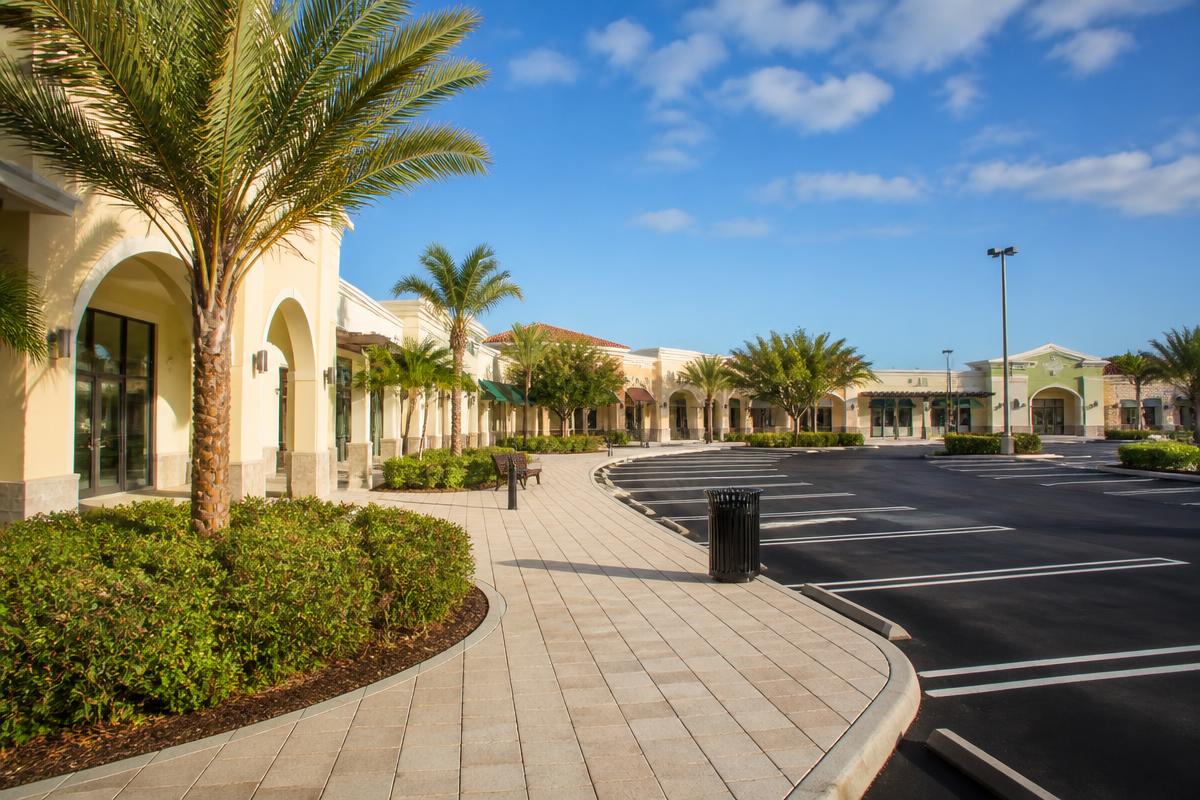
When leasing a commercial property, many business owners focus on the base rent but overlook another significant expense: CAM charges, also known as Common Area Maintenance fees. Understanding CAM is essential because it can have a substantial impact on the total cost of leasing office space, retail space, or industrial property.
Whether you're opening a restaurant, leasing retail space in a shopping center, or renting office space, learning how CAM works can help you better understand a commercial lease agreement.
This article explains CAM in Commercial Real Estate for educational purposes only and provides a general overview of one of the most common expenses found in commercial leases.
What Is CAM?
CAM (Common Area Maintenance) refers to the costs associated with operating, maintaining, repairing, and managing the shared areas of a commercial property that are used by multiple tenants.
Unlike the interior of a leased space, common areas are shared by everyone who visits or occupies the property. These areas require ongoing maintenance to remain clean, safe, and functional.
CAM charges help cover those shared operating expenses.
What Are Common Areas?
The exact definition depends on each commercial lease agreement, but common areas often include:
Parking lots
Sidewalks
Landscaping
Building lobbies
Hallways
Elevators
Public restrooms
Outdoor lighting
Security systems
Common seating areas
Driveways
Signage areas
Trash collection areas
These spaces benefit all tenants within the property, so maintenance costs are typically shared among them.
What Expenses Are Usually Included in CAM?
CAM charges can include a variety of operating expenses necessary to maintain the property.
Examples commonly found in commercial leases include:
Landscaping and lawn care
Parking lot maintenance
Sidewalk repairs
Exterior lighting
Janitorial services for common areas
Security services
Trash removal
Pest control
Building maintenance
HVAC maintenance for common areas
Elevator maintenance
Property management fees (when permitted by the lease)
Insurance for common areas
Utilities serving common areas
Snow removal (in colder climates)
Every commercial property is different, and the specific expenses included in CAM depend on the lease agreement.
How Are CAM Charges Calculated?
CAM expenses are generally allocated among tenants based on a formula outlined in the lease.
A common approach is to calculate each tenant's share according to the percentage of rentable square footage they occupy within the property.
For example, if a tenant leases 2,000 square feet in a 20,000-square-foot shopping center, that tenant may be responsible for approximately 10% of the property's allocable CAM expenses, subject to the terms of the lease.
Calculation methods vary by property and lease structure.
Is CAM Included in the Rent?
Not always.
In many commercial leases, CAM charges are separate from the base rent.
This means a tenant may pay:
Base Rent
CAM Charges
Property Taxes (if applicable)
Insurance (if applicable)
Together, these amounts often make up the tenant's total monthly occupancy cost.
This is one reason many commercial properties advertise both a base rental rate and additional operating expenses.
CAM in Triple Net (NNN) Leases
CAM charges are most commonly associated with Triple Net (NNN) Leases, one of the most common lease structures in commercial real estate.
Under many NNN leases, tenants typically contribute to certain property operating expenses, which may include:
Common Area Maintenance (CAM)
Property taxes
Property insurance
The specific responsibilities depend on the language of each lease agreement.
Why Do CAM Charges Change?
Unlike fixed rent, CAM expenses may fluctuate from year to year because maintenance costs can change over time.
Examples include:
Increased landscaping costs
Parking lot resurfacing
Utility price increases
Insurance premium changes
Security upgrades
Repairs after storms or unexpected events
Inflation affecting maintenance contracts
As operating expenses change, CAM charges may also change if permitted under the lease.
Why CAM Benefits Both Landlords and Tenants
Well-maintained common areas contribute to a property's overall appearance and functionality.
Benefits may include:
Cleaner shopping centers
Safer parking lots
Better landscaping
Improved customer experience
Enhanced property appearance
Increased accessibility
Better lighting and security
Proper maintenance can support the long-term value and attractiveness of commercial properties.
Questions Tenants Often Ask About CAM
Business owners frequently seek clarification on topics such as:
Which expenses are included?
How are costs allocated?
Are CAM charges estimated or reconciled annually?
Which maintenance items are shared?
Are there exclusions or limitations?
The answers depend on the specific lease agreement and property.
The Importance of Understanding CAM Before Signing a Commercial Lease
CAM charges are an important part of many commercial lease agreements because they affect the overall cost of occupying a commercial property.
When evaluating retail space, office space, restaurant locations, or industrial buildings, business owners often consider both the base rent and any additional operating expenses described in the lease.
Understanding how CAM works provides a more complete picture of the total occupancy costs associated with a property.
How a Commercial Real Estate Broker Can Help
A knowledgeable Commercial Real Estate Broker can help explain common lease terminology, including CAM charges, and assist clients in comparing different commercial properties and lease structures.
Because every property and lease is unique, working with experienced professionals can help business owners better understand the financial components of a commercial lease during the leasing process.
Final Thoughts
Common Area Maintenance (CAM) is one of the most common components of a Commercial Lease Agreement. It helps fund the maintenance and operation of the shared areas that tenants, customers, and visitors use every day.
Whether leasing retail space, office space, restaurant space, or industrial property, understanding CAM charges is an important part of learning how commercial leasing works.
The specific expenses, calculation methods, and payment structure vary from one property to another, making it important to understand the terms outlined in each individual lease agreement.
Frequently Asked Questions
What does CAM stand for in Commercial Real Estate?
CAM stands for Common Area Maintenance, referring to the expenses associated with maintaining and operating shared areas of a commercial property.
Is CAM included in commercial rent?
Not always. In many commercial lease agreements, CAM charges are separate from the base rent and are paid in addition to other lease costs.
What is usually included in CAM charges?
CAM charges commonly include expenses such as landscaping, parking lot maintenance, lighting, janitorial services for common areas, security, trash removal, exterior maintenance, and other shared operating costs, depending on the lease.
Are CAM charges the same for every commercial property?
No. The expenses included, allocation methods, and payment structure vary depending on the property and the specific commercial lease agreement.
Why is understanding CAM important before leasing commercial space?
CAM charges can affect the total cost of leasing a commercial property. Understanding how they work helps business owners better understand the overall financial structure of a commercial lease.
Authoritative references for this topic
Primary government, regulatory and industry sources readers can consult directly. This article is educational and is not legal, tax, or investment advice.
- Miami 21 Zoning Code and Zoning Information — City of Miami Planning Department
- FEMA Flood Map Service Center — U.S. Federal Emergency Management Agency
- ADA Standards for Accessible Design (Places of Public Accommodation) — U.S. Department of Justice
- Florida Sales Tax on Commercial Real Property Rentals — Florida Department of Revenue
Lais Same
Lais Same is a commercial real estate broker serving Miami and South Florida, representing property owners, landlords, investors, buyers, and tenants in commercial property sales, leasing, investment transactions, valuation, and market analysis. Learn more about Lais Same or discuss a commercial property.
 Leasing
Personal Guarantee in Commercial Leases: What Every Business Owner Should Know Before Signing
Understand what a personal guarantee is in a commercial lease, why landlords request it, how it can affect business owners, and why reviewing this provision carefully matters before signing.
 Leasing
Assignment vs. Sublease: Understanding the Difference Before You Transfer a Commercial Lease
Learn the critical differences between a lease assignment and a sublease, and why the assignment and sublease clause in your commercial lease can protect — or limit — your business.
 Leasing
Commercial Lease Checklist: Everything Every Business Owner Should Verify Before Signing a Commercial Lease
A practical checklist for business owners signing a commercial lease — covering rent, lease types, CAM charges, permitted use, renewal options, tenant improvements, and more.
Need advisory on a specific property or market?
Speak directly with Lais about your leasing, acquisition, or investment goals in South Florida.
Schedule a Consultation