What Is a Tenant Improvement Allowance (TI Allowance) in Commercial Real Estate?
Learn what a Tenant Improvement Allowance is, how it works in commercial lease negotiations, and why it matters for business owners preparing a new space.
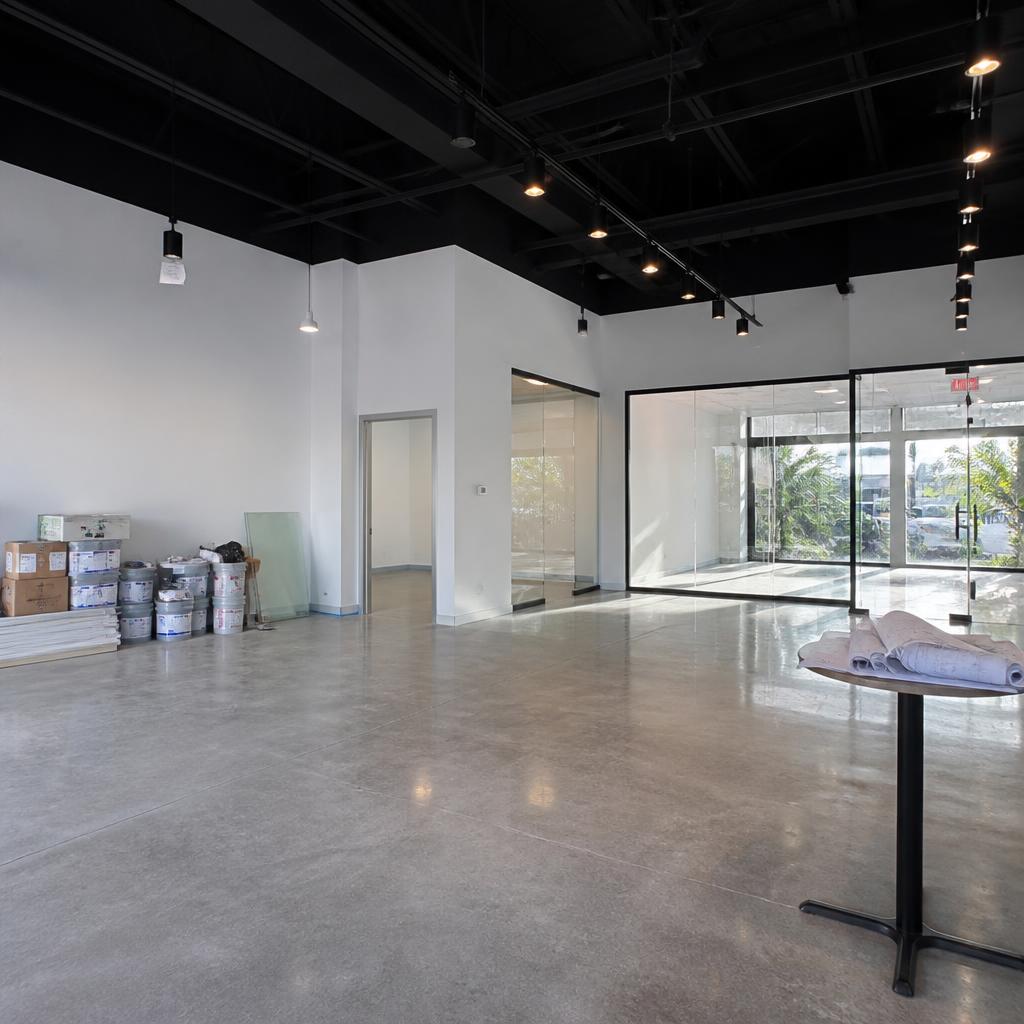
When leasing a commercial property, it's common for a space to require modifications before a business can move in. A restaurant may need a commercial kitchen, an office tenant may want additional private offices, and a retail store may require new flooring, lighting, or custom displays. This is where a Tenant Improvement Allowance (TI Allowance) becomes an important part of many commercial lease agreements.
A Tenant Improvement Allowance can significantly influence lease negotiations because it helps determine how improvements to the leased space will be funded before the tenant begins operating.
This article explains what a Tenant Improvement Allowance is, how it generally works, and why it is an important concept in Commercial Real Estate.
What Is a Tenant Improvement Allowance
A Tenant Improvement Allowance (TI Allowance) is an amount of money that a landlord may agree to contribute toward improvements or modifications to a commercial space so it better suits a tenant's business needs.
The allowance is typically negotiated as part of a Commercial Lease Agreement and is commonly expressed as a dollar amount per rentable square foot or as a total agreed-upon amount.
The purpose of a TI Allowance is to help prepare the space for occupancy while making the property more attractive to prospective tenants.
What Are Tenant Improvements
Tenant improvements are physical changes made to the leased premises before or during occupancy.
Examples may include:
- Interior walls and partitions
- Flooring installation
- Ceiling modifications
- Interior painting
- Electrical upgrades
- Plumbing improvements
- HVAC modifications
- Lighting installation
- Reception areas
- Office build-outs
- Restroom improvements
- Restaurant kitchen infrastructure
- Retail display areas
The specific improvements depend on the intended use of the commercial property and the terms negotiated between the landlord and tenant.
Why Do Landlords Offer a TI Allowance
Commercial properties are rarely identical to the needs of every business.
A landlord may offer a Tenant Improvement Allowance to make the property more competitive in the market and attract qualified tenants.
Providing an allowance can also help reduce the tenant's upfront construction costs while allowing the landlord to lease vacant space more efficiently.
Whether a TI Allowance is offered often depends on factors such as:
- Market conditions
- Lease term
- Tenant's financial strength
- Property type
- Size of the leased space
- Amount of construction required
Not every commercial lease includes a Tenant Improvement Allowance.
How Is a TI Allowance Calculated
A Tenant Improvement Allowance is commonly negotiated in one of two ways:
- Per Square Foot: For example, the landlord and tenant may negotiate an allowance based on the rentable square footage of the leased premises.
- Fixed Dollar Amount: The parties may agree on a single total amount available for approved improvements.
The method used varies depending on the property, the lease structure, and the negotiated business terms.
What Happens if Improvements Cost More Than the Allowance
Construction costs vary widely depending on the type of business and the level of customization required.
In some situations, the total cost of improvements may exceed the negotiated allowance. In others, the improvements may cost less than the amount available.
How additional costs or unused funds are handled depends entirely on the terms of the commercial lease agreement.
What Types of Businesses Commonly Request TI Allowances
Tenant Improvement Allowances are common across many sectors of Commercial Real Estate, including:
- Retail stores
- Restaurants
- Medical offices
- Professional offices
- Dental practices
- Veterinary clinics
- Fitness centers
- Beauty salons
- Industrial facilities
- Warehouse offices
Each business has unique operational requirements that may require modifications before opening.
TI Allowance vs Build-Out
Although these terms are often used together, they are not the same.
A build-out refers to the actual construction or renovation of the commercial space.
A Tenant Improvement Allowance refers to the funding that may be provided by the landlord toward those improvements.
In other words, the build-out is the work itself, while the TI Allowance is one possible method of helping pay for that work.
Why Is the TI Allowance Important During Lease Negotiations
The Tenant Improvement Allowance is often one of the most negotiated financial terms in a Commercial Lease because it directly affects the initial cost of preparing the space for business operations.
Along with factors such as:
- Base rent
- Lease term
- Renewal options
- Security deposit
- Rent escalations
- Common Area Maintenance (CAM)
- Permitted use
the TI Allowance helps shape the overall business terms of the lease.
The final amount, if any, depends on negotiations between the landlord and tenant.
How a Commercial Real Estate Broker Can Help
A knowledgeable Commercial Real Estate Broker can help explain how Tenant Improvement Allowances fit within the overall lease structure and assist clients in comparing different leasing opportunities.
Because every commercial property is unique, brokers often help business owners understand how various lease terms—including TI Allowances—may differ from one property to another during the negotiation process.
Final Thoughts
A Tenant Improvement Allowance (TI Allowance) is a common feature of many Commercial Lease Agreements, particularly when a space requires modifications before a tenant can begin operating.
Understanding what a TI Allowance is, how it generally works, and how it fits into a commercial lease helps business owners better understand one of the key financial components of Commercial Real Estate Leasing.
Since every commercial lease is unique, the amount, structure, and availability of a Tenant Improvement Allowance vary from one transaction to another based on the negotiated terms.
Frequently Asked Questions
What is a Tenant Improvement Allowance in Commercial Real Estate
A Tenant Improvement Allowance (TI Allowance) is a negotiated amount that a landlord may contribute toward improvements or renovations to prepare a commercial space for a tenant's business.
Is a TI Allowance included in every commercial lease
No. Whether a Tenant Improvement Allowance is offered depends on the property, market conditions, lease terms, and the agreement reached between the landlord and tenant.
What can a TI Allowance be used for
Depending on the lease agreement, a TI Allowance may be associated with improvements such as flooring, walls, lighting, plumbing, electrical work, office build-outs, restaurant infrastructure, and other interior modifications.
Is a Tenant Improvement Allowance the same as a build-out
No. A build-out refers to the construction or renovation work itself, while a Tenant Improvement Allowance refers to funding that may be provided toward those improvements.
Why is a TI Allowance important
A Tenant Improvement Allowance is an important part of many commercial lease negotiations because it relates to the preparation of a commercial space before a tenant occupies the property and can influence the overall structure of the lease.
Authoritative references for this topic
Primary government, regulatory and industry sources readers can consult directly. This article is educational and is not legal, tax, or investment advice.
- Miami 21 Zoning Code and Zoning Information — City of Miami Planning Department
- PortMiami Cargo and Trade Statistics — Miami-Dade County / PortMiami
- Division of Hotels and Restaurants — Licensing a Food Service Establishment — Florida Department of Business & Professional Regulation
- Florida Statutes Chapter 83 — Landlord and Tenant (Part I, Nonresidential) — The Florida Senate
Lais Same
Lais Same is a commercial real estate broker serving Miami and South Florida, representing property owners, landlords, investors, buyers, and tenants in commercial property sales, leasing, investment transactions, valuation, and market analysis. Learn more about Lais Same or discuss a commercial property.
 Leasing
What Is CAM in Commercial Real Estate? A Complete Guide to Common Area Maintenance Charges
CAM charges can significantly increase your total occupancy cost. Learn what Common Area Maintenance covers, how it's calculated, and why it matters before signing a commercial lease.
 Leasing
Personal Guarantee in Commercial Leases: What Every Business Owner Should Know Before Signing
Understand what a personal guarantee is in a commercial lease, why landlords request it, how it can affect business owners, and why reviewing this provision carefully matters before signing.
 Leasing
Assignment vs. Sublease: Understanding the Difference Before You Transfer a Commercial Lease
Learn the critical differences between a lease assignment and a sublease, and why the assignment and sublease clause in your commercial lease can protect — or limit — your business.
Need advisory on a specific property or market?
Speak directly with Lais about your leasing, acquisition, or investment goals in South Florida.
Schedule a Consultation