What Is Rent Abatement in Commercial Real Estate? A Complete Guide for Landlords and Tenants
Learn what rent abatement is, how it works in commercial lease negotiations, and why it matters for landlords and tenants structuring a lease agreement.
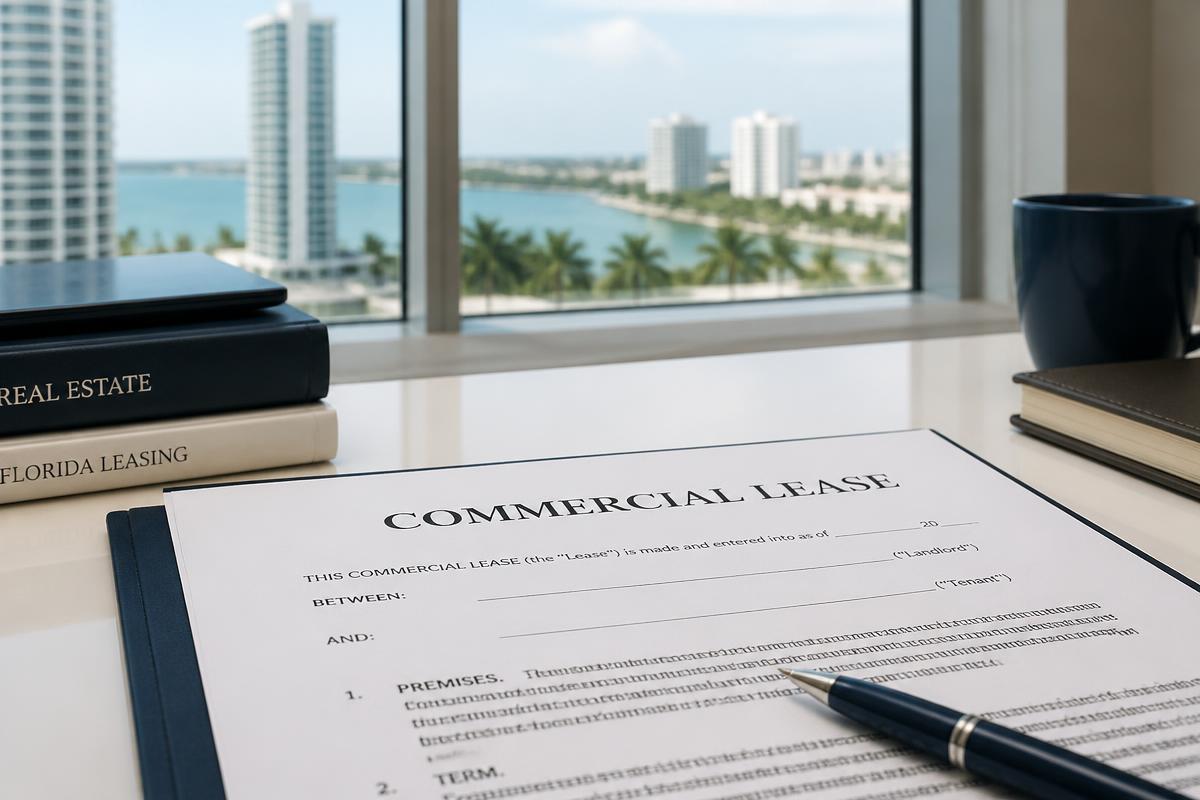
When negotiating a commercial lease, many business owners focus on the monthly rent, lease term, and security deposit. However, another important lease provision that can significantly affect the financial structure of the agreement is Rent Abatement.
Whether you are leasing retail space, office space, restaurant space, or industrial property, understanding how rent abatement works is an important part of learning how commercial leasing is structured. While it is a common negotiation point in many commercial lease agreements, rent abatement is not automatically included in every lease and can vary widely from one transaction to another.
This article explains what Rent Abatement is, why it is commonly negotiated in Commercial Real Estate, and how it generally fits within a commercial lease agreement.
What Is Rent Abatement
Rent Abatement is a lease provision that temporarily reduces or eliminates a tenant's obligation to pay rent for a specified period, subject to the terms of the commercial lease agreement.
The abatement period is negotiated between the landlord and tenant before the lease is signed and is documented in the lease or a related agreement.
Rather than changing the overall lease structure, rent abatement adjusts when rent payments begin or when they are temporarily reduced according to the agreed-upon lease terms.
Why Is Rent Abatement Offered
Commercial properties are not always ready for immediate occupancy. A tenant may need time to renovate the space, install equipment, obtain permits, move inventory, or complete other preparations before opening for business.
In some situations, landlords may agree to a period of rent abatement as part of the overall lease negotiations.
Rent abatement can also be used as a leasing incentive in competitive markets where landlords are seeking to attract qualified tenants or reduce vacancy periods.
The decision to offer rent abatement depends on the specific property, market conditions, tenant qualifications, and the overall business terms negotiated between the parties.
Common Reasons Rent Abatement Is Negotiated
Every commercial lease is unique, but rent abatement is commonly discussed in situations such as:
- Interior renovations or build-outs
- Installation of tenant improvements
- Construction delays
- Business relocation
- Restaurant equipment installation
- Office build-outs
- Retail store preparation
- Delays in obtaining occupancy approvals
- Leasing incentives in competitive markets
The circumstances vary from one transaction to another, and not every commercial lease includes rent abatement.
Is Rent Abatement the Same as Free Rent
The terms Rent Abatement and Free Rent are often used interchangeably in commercial real estate, but they do not always describe the same situation.
In many leases, rent abatement refers broadly to a negotiated period during which rent is reduced or temporarily waived under certain lease terms.
"Free Rent" generally refers to a specific period during which the tenant is not required to pay base rent, although other lease obligations may still apply depending on the agreement.
The exact meaning depends on how the lease defines these terms.
What Expenses May Continue During Rent Abatement
One of the most common misconceptions is that rent abatement automatically means the tenant has no financial obligations during the abatement period.
In reality, commercial leases may distinguish between Base Rent and other financial obligations.
Depending on the lease, certain expenses may continue during an abatement period, including:
- Common Area Maintenance (CAM)
- Property taxes
- Insurance contributions
- Utilities
- Operating expenses
- Other charges specifically identified in the lease
The treatment of these expenses varies from lease to lease.
How Long Does Rent Abatement Last
There is no standard duration.
The length of a rent abatement period depends entirely on the negotiated terms of the commercial lease.
Factors that may influence the duration include:
- Scope of construction
- Lease term
- Property type
- Market conditions
- Tenant improvements
- Business opening timeline
- Overall lease economics
Some leases include a single uninterrupted abatement period, while others may provide rent concessions at different stages of the lease.
Why Would a Landlord Agree to Rent Abatement
From a landlord's perspective, rent abatement can be part of a broader leasing strategy.
Offering temporary rent relief may help:
- Attract qualified tenants
- Lease vacant commercial space more quickly
- Encourage long-term occupancy
- Support businesses during the build-out phase
- Increase the property's competitiveness in the market
Rather than focusing solely on the first month's rent, landlords often evaluate the overall value of the lease over its entire term.
Why Is Rent Abatement Important to Tenants
For many businesses, opening a new location involves substantial upfront expenses.
These may include:
- Construction costs
- Furniture and fixtures
- Equipment purchases
- Inventory
- Employee hiring
- Marketing
- Technology installation
- Licensing and permits
A negotiated rent abatement period may affect the timing of occupancy costs as the business prepares to begin operations.
The overall financial structure depends on the specific lease agreement.
Rent Abatement and Tenant Improvement Allowances
Rent Abatement and Tenant Improvement (TI) Allowances are often discussed together during commercial lease negotiations, but they serve different purposes.
A Tenant Improvement Allowance generally relates to funds that may be allocated toward improving the leased premises.
Rent Abatement relates to the timing or temporary reduction of rent payments under the lease.
Some commercial leases include one of these provisions, both, or neither.
Their availability depends on the negotiated business terms.
Factors That May Influence Rent Abatement Negotiations
There is no universal formula for rent abatement.
The negotiated outcome may be influenced by factors such as:
- Length of the lease
- Tenant's financial strength
- Type of business
- Vacancy rate
- Local market conditions
- Condition of the property
- Amount of tenant improvements required
- Overall lease economics
Each commercial leasing transaction is unique.
How a Commercial Real Estate Broker Can Help
A knowledgeable Commercial Real Estate Broker can help explain common lease terminology and assist clients in comparing lease proposals that include different financial structures.
Because rent abatement is only one component of a commercial lease, brokers often help clients understand how it fits alongside other important lease provisions such as:
- Base rent
- CAM charges
- Security deposit
- Lease term
- Renewal options
- Tenant Improvement Allowances
- Rent escalations
- Assignment and sublease rights
Understanding the overall lease structure provides a more complete picture of the transaction.
Final Thoughts
Rent Abatement is a common feature in many Commercial Real Estate transactions and is frequently negotiated as part of a Commercial Lease Agreement.
Whether leasing retail space, office space, restaurant space, medical offices, or industrial property, understanding rent abatement helps business owners better understand how commercial leases are structured and how different lease provisions work together.
Every commercial lease is unique, and the availability, duration, and structure of rent abatement depend entirely on the negotiated agreement between the landlord and tenant.
Learning about rent abatement is an important step toward understanding the broader world of Commercial Leasing and the many financial components involved in leasing commercial property.
Frequently Asked Questions
What is rent abatement in Commercial Real Estate
Rent abatement is a lease provision that temporarily reduces or eliminates a tenant's obligation to pay rent for a specified period, according to the terms of the commercial lease agreement.
Is rent abatement the same as free rent
Not necessarily. While the terms are sometimes used interchangeably, their meaning depends on how they are defined in the commercial lease. Free rent often refers specifically to a period when base rent is waived, while rent abatement can describe broader rent reduction arrangements.
Does rent abatement mean all lease expenses stop
Not always. Depending on the lease agreement, certain expenses such as Common Area Maintenance (CAM), property taxes, insurance contributions, utilities, or other operating expenses may still apply during a rent abatement period.
Why do landlords offer rent abatement
Landlords may offer rent abatement as part of lease negotiations, to help attract qualified tenants, support build-outs, reduce vacancy periods, or enhance the overall competitiveness of a commercial property.
Is rent abatement included in every commercial lease
No. Rent abatement is a negotiated lease provision and is not automatically included in every commercial lease agreement.
How does rent abatement differ from a Tenant Improvement Allowance
A Tenant Improvement Allowance relates to funding that may be provided for improvements to the leased space, while rent abatement relates to the temporary reduction or elimination of rent payments for a specified period. Both are separate lease provisions and may be negotiated independently.
Authoritative references for this topic
Primary government, regulatory and industry sources readers can consult directly. This article is educational and is not legal, tax, or investment advice.
- Miami 21 Zoning Code and Zoning Information — City of Miami Planning Department
- FEMA Flood Map Service Center — U.S. Federal Emergency Management Agency
- Real Estate Property Taxes — Miami-Dade County Tax Collector
- PortMiami Cargo and Trade Statistics — Miami-Dade County / PortMiami
Lais Same
Lais Same is a commercial real estate broker serving Miami and South Florida, representing property owners, landlords, investors, buyers, and tenants in commercial property sales, leasing, investment transactions, valuation, and market analysis. Learn more about Lais Same or discuss a commercial property.
 Leasing
What Is a Tenant Improvement Allowance (TI Allowance) in Commercial Real Estate?
Learn what a Tenant Improvement Allowance is, how it works in commercial lease negotiations, and why it matters for business owners preparing a new space.
 Leasing
What Is CAM in Commercial Real Estate? A Complete Guide to Common Area Maintenance Charges
CAM charges can significantly increase your total occupancy cost. Learn what Common Area Maintenance covers, how it's calculated, and why it matters before signing a commercial lease.
 Leasing
Personal Guarantee in Commercial Leases: What Every Business Owner Should Know Before Signing
Understand what a personal guarantee is in a commercial lease, why landlords request it, how it can affect business owners, and why reviewing this provision carefully matters before signing.
Need advisory on a specific property or market?
Speak directly with Lais about your leasing, acquisition, or investment goals in South Florida.
Schedule a Consultation