What Is an Exclusive Use Clause in Commercial Real Estate?
Learn what an Exclusive Use Clause is in commercial leasing, why retailers and restaurants often negotiate it, and how it may affect landlords and tenants.
One of the most valuable provisions that may be negotiated in a Commercial Lease Agreement is the Exclusive Use Clause. While many business owners focus on rent, lease term, Common Area Maintenance (CAM) charges, or Tenant Improvement (TI) Allowances, an exclusive use provision can have a significant impact on a business's ability to compete within a shopping center or commercial property.
For many retailers, restaurants, medical practices, fitness centers, and specialty businesses, location is only part of the equation. Equally important is understanding whether similar businesses can operate within the same property.
This article explains what an Exclusive Use Clause is, why it is commonly negotiated in Commercial Real Estate, and how it generally works in commercial leasing.
What Is an Exclusive Use Clause?
An Exclusive Use Clause is a provision in a Commercial Lease that limits or restricts a landlord from leasing other space within the same property or shopping center to businesses that provide certain products, services, or business concepts that compete with the protected tenant.
The scope of the exclusivity depends entirely on the language negotiated in the lease agreement.
Some clauses are very broad, while others are narrowly tailored to specific products or services.
Why Is an Exclusive Use Clause Important?
Businesses often invest substantial time and money into opening a new location. They may spend months negotiating a lease, completing tenant improvements, hiring employees, purchasing equipment, and marketing their grand opening.
An exclusive use provision may help provide greater certainty regarding the types of businesses that may operate within the same commercial property during the lease term.
For businesses that rely heavily on customer traffic, limiting direct competition within the same shopping center can be an important business consideration.
Businesses That Commonly Request Exclusive Use Rights
Exclusive use provisions are common across many sectors of Commercial Real Estate, including:
- Restaurants
- Coffee shops
- Ice cream stores
- Bakeries
- Fitness centers
- Medical clinics
- Dental offices
- Veterinary clinics
- Grocery stores
- Pharmacies
- Daycare centers
- Specialty retail stores
- Beauty salons
- Pet supply stores
Each business has different operational needs, and the level of exclusivity requested often depends on the industry and the specific commercial property.
How Does an Exclusive Use Clause Work?
Rather than preventing all future tenants, an exclusive use clause typically focuses on a defined business activity.
For example, the lease may describe a protected use, such as:
- A full-service Italian restaurant
- A specialty coffee shop
- A fitness center
- A veterinary clinic
- A frozen yogurt concept
- A bakery specializing in artisan bread
The exact description depends on the negotiated lease language.
Clearly defining the protected business use helps reduce uncertainty about what activities fall within the scope of the exclusivity provision.
Is Every Exclusive Use Clause the Same?
No.
Every Commercial Lease Agreement is negotiated independently, and exclusive use provisions can vary significantly.
Some clauses provide broad protection, while others apply only to specific products or services.
Examples may include:
- Protection against identical business concepts
- Protection against specific product categories
- Restrictions on certain menu items
- Limitations on particular professional services
- Restrictions on defined retail merchandise
The scope of protection depends entirely on the wording agreed upon by the landlord and tenant.
Why Landlords Carefully Negotiate Exclusive Use Provisions
While exclusive use rights may benefit a tenant, they can also affect a landlord's future leasing flexibility.
An overly broad exclusivity provision may limit the landlord's ability to lease vacant spaces to future tenants whose business activities overlap with the protected use.
For this reason, landlords often seek to balance the tenant's business interests with the long-term leasing strategy for the property.
The final language typically reflects negotiations between both parties.
Common Factors That Influence Exclusive Use Negotiations
Several factors may influence whether an exclusive use clause is included in a commercial lease, including:
- Type of commercial property
- Tenant's business concept
- Size of the leased premises
- Length of the lease term
- Market conditions
- Existing tenant mix
- Future leasing plans
- Overall value of the lease transaction
No two commercial properties are exactly alike, so the negotiated outcome may vary from one transaction to another.
Exclusive Use in Shopping Centers
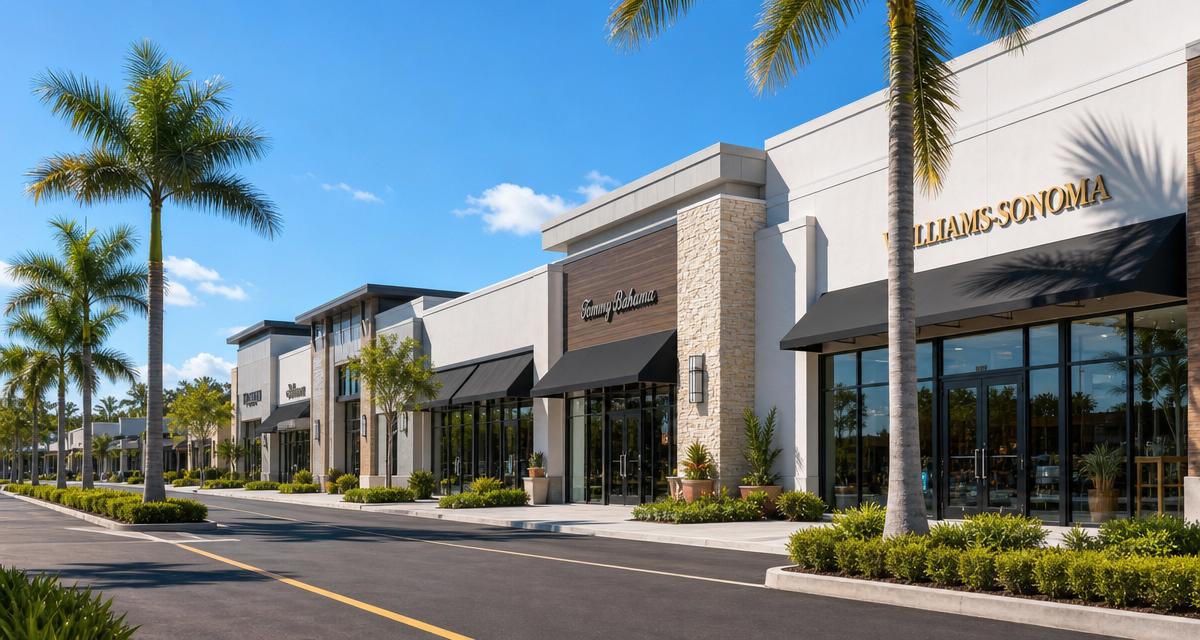
Exclusive use provisions are particularly common in shopping centers, where multiple businesses operate within the same property.
A well-balanced tenant mix often contributes to a shopping center's overall success.
Examples include:
- Restaurants alongside retail stores
- Medical offices near pharmacies
- Fitness centers next to health-focused businesses
- Coffee shops serving nearby office tenants
- Specialty retailers complementing anchor tenants
When exclusive use rights are negotiated, they become one of many factors that influence future leasing decisions within the center.
Exclusive Use vs. Permitted Use
These two lease provisions are often confused, but they serve different purposes.
A Permitted Use Clause defines the business activities the tenant is authorized to conduct within the leased premises.
An Exclusive Use Clause addresses whether other tenants within the same commercial property may operate competing businesses covered by the negotiated exclusivity.
Both provisions are important components of many commercial lease agreements, but they address different aspects of the landlord-tenant relationship.
Why Exclusive Use Matters for Business Planning
Businesses often select commercial locations based on factors such as:
- Customer demographics
- Traffic counts
- Visibility
- Accessibility
- Parking
- Nearby businesses
- Anchor tenants
- Growth potential
The presence or absence of an exclusive use provision may also influence long-term business planning because it relates to the competitive environment within the same commercial property.
For many businesses, this can be an important consideration during lease negotiations.
How a Commercial Real Estate Broker Can Help
An experienced Commercial Real Estate Broker can help business owners understand common lease provisions, including exclusive use clauses, and explain how these provisions fit within the overall structure of a Commercial Lease Agreement.
Brokers often assist clients by:
- Comparing commercial properties
- Explaining common lease terminology
- Coordinating lease negotiations
- Reviewing business requirements
- Identifying potential occupancy considerations
- Facilitating communication between landlords and tenants
Understanding how exclusive use interacts with other lease provisions helps businesses make informed decisions during the leasing process.
Final Thoughts
An Exclusive Use Clause is one of the most valuable negotiated provisions found in many Commercial Real Estate transactions. It defines whether a tenant may receive protection from certain competing business activities within the same commercial property or shopping center.
The scope of an exclusive use provision depends entirely on the language of the Commercial Lease Agreement, and no two clauses are exactly alike.
Whether leasing retail space, restaurant space, office space, medical offices, or specialty commercial property, understanding exclusive use provisions is an important part of learning how commercial leases are structured and negotiated.
Frequently Asked Questions
What is an Exclusive Use Clause in Commercial Real Estate?
An Exclusive Use Clause is a provision in a commercial lease that may limit a landlord's ability to lease other spaces within the same property to businesses that fall within the negotiated protected use described in the lease.
Is an Exclusive Use Clause included in every commercial lease?
No. Exclusive use provisions are negotiated terms and are not automatically included in every Commercial Lease Agreement.
Which businesses commonly request exclusive use rights?
Restaurants, coffee shops, fitness centers, grocery stores, pharmacies, medical offices, veterinary clinics, beauty salons, and specialty retailers are among the businesses that frequently negotiate exclusive use provisions.
What is the difference between an Exclusive Use Clause and a Permitted Use Clause?
A Permitted Use Clause defines what business activities the tenant is allowed to conduct within the leased premises. An Exclusive Use Clause addresses whether competing businesses may operate elsewhere within the same commercial property.
Why do landlords carefully negotiate Exclusive Use Clauses?
Exclusive use provisions may affect a landlord's future leasing flexibility and tenant mix. For that reason, landlords and tenants often negotiate the scope of exclusivity based on the property's long-term leasing strategy.
Can a Commercial Real Estate Broker help explain Exclusive Use Clauses?
Yes. A Commercial Real Estate Broker can help explain common commercial lease provisions, discuss how exclusive use clauses fit into the overall lease structure, and assist clients during commercial lease negotiations.
Schedule a Consultation
If you are considering a commercial lease and want to understand how an Exclusive Use Clause may affect your business, I can help. Contact me today to schedule a consultation and review your commercial real estate needs.
Disclaimer: All information provided in this article is for educational purposes only and does not constitute legal, financial, tax, or professional advice. You should verify the information with a qualified professional in the appropriate field before making any business, investment, legal, or financial decision.
Authoritative references for this topic
Primary government, regulatory and industry sources readers can consult directly. This article is educational and is not legal, tax, or investment advice.
- Miami 21 Zoning Code and Zoning Information — City of Miami Planning Department
- ADA Standards for Accessible Design (Places of Public Accommodation) — U.S. Department of Justice
- Division of Hotels and Restaurants — Licensing a Food Service Establishment — Florida Department of Business & Professional Regulation
- Florida Statutes Chapter 83 — Landlord and Tenant (Part I, Nonresidential) — The Florida Senate
Lais Same
Lais Same is a commercial real estate broker serving Miami and South Florida, representing property owners, landlords, investors, buyers, and tenants in commercial property sales, leasing, investment transactions, valuation, and market analysis. Learn more about Lais Same or discuss a commercial property.
 Leasing
What Happens When a Commercial Lease Expires?
Understand what typically happens when a commercial lease expires, including renewal options, holdover provisions, and common mistakes business owners should avoid.
 Leasing
What Is Rent Abatement in Commercial Real Estate? A Complete Guide for Landlords and Tenants
Learn what rent abatement is, how it works in commercial lease negotiations, and why it matters for landlords and tenants structuring a lease agreement.
 Leasing
What Is a Tenant Improvement Allowance (TI Allowance) in Commercial Real Estate?
Learn what a Tenant Improvement Allowance is, how it works in commercial lease negotiations, and why it matters for business owners preparing a new space.
Need advisory on a specific property or market?
Speak directly with Lais about your leasing, acquisition, or investment goals in South Florida.
Schedule a Consultation