Opening a Restaurant in Miami: A Commercial Real Estate Guide for Restaurant Owners
Learn the key commercial real estate considerations for opening a restaurant in Miami, including location, lease structure, build-out costs, parking, signage, and local regulations.
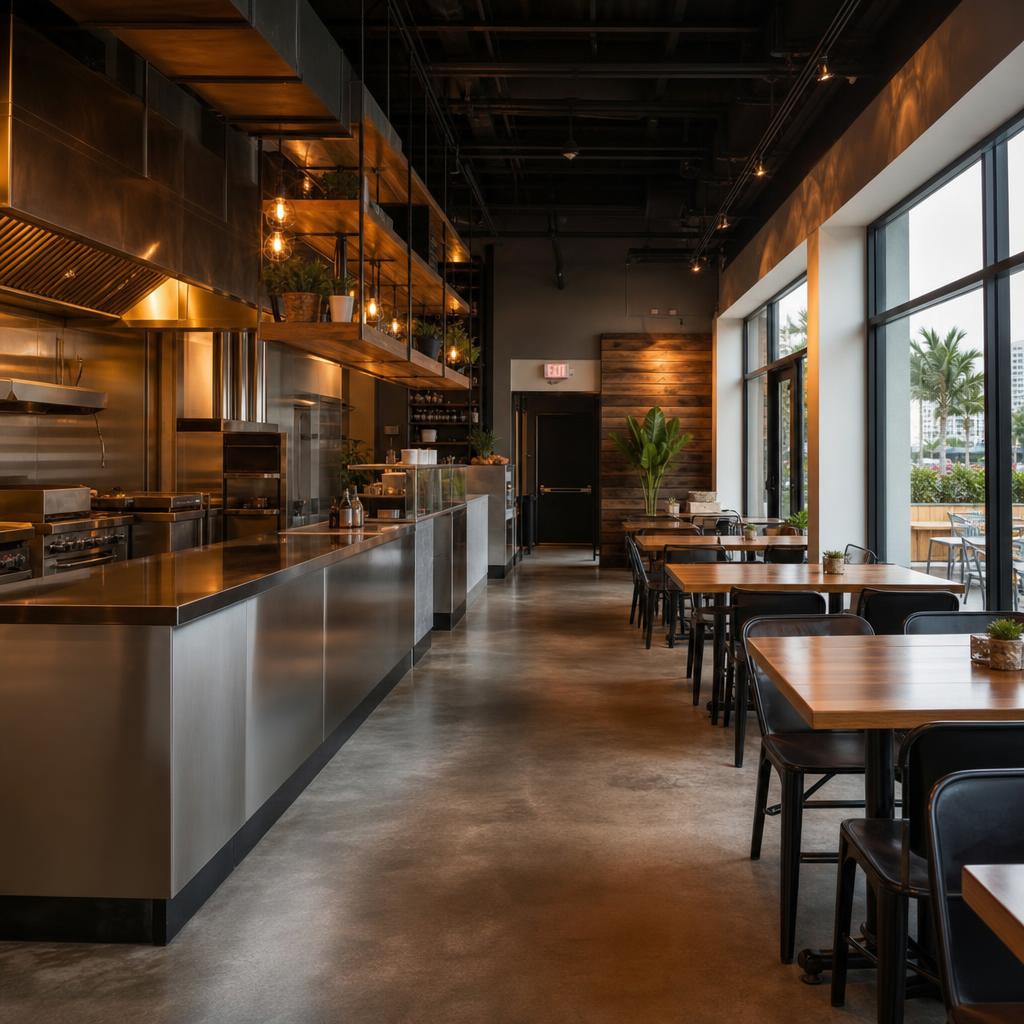
Miami has become one of the most exciting restaurant markets in the United States. Its growing population, thriving tourism industry, diverse culture, and strong local economy continue to attract entrepreneurs looking to open new dining concepts. From neighborhood cafés and fast-casual restaurants to upscale dining experiences, opportunities exist throughout Miami-Dade County—but finding the right commercial space is one of the most important decisions you'll make.
Choosing the right Commercial Real Estate is about much more than finding an available location. The property, lease structure, visibility, accessibility, and surrounding demographics can all influence the long-term success of a restaurant.
This article provides an educational overview of important commercial real estate considerations when opening a restaurant in Miami.
Why Miami Is a Strong Restaurant Market
Miami is recognized for its international appeal and year-round activity. Residents, visitors, and business travelers create consistent demand for a wide variety of dining experiences.
Many restaurant operators are attracted to Miami because of:
- A growing population
- Strong tourism
- Diverse international communities
- Expanding residential developments
- High pedestrian activity in many districts
- A thriving hospitality industry
- Growing mixed-use developments
While every neighborhood has unique characteristics, Miami continues to be one of Florida's most active restaurant markets.
Choosing the Right Commercial Location
In commercial real estate, location remains one of the most important factors when opening a restaurant.
When evaluating restaurant space for lease, business owners often consider:
- Vehicle traffic
- Pedestrian traffic
- Visibility
- Accessibility
- Parking availability
- Nearby residential communities
- Office population
- Tourism activity
- Public transportation
- Future area development
A location that aligns with the restaurant's target customer base can play an important role in the overall business strategy.
First-Generation vs. Second-Generation Restaurant Space
Restaurant spaces generally fall into two categories.
First-Generation Restaurant Space
A first-generation space is typically a location that has never operated as a restaurant or requires significant construction before opening.
These spaces may require:
- Commercial kitchen installation
- Grease trap installation
- Ventilation systems
- Plumbing upgrades
- Electrical improvements
- Dining area construction
Because additional improvements may be necessary, build-out costs can vary depending on the property.
Second-Generation Restaurant Space
A second-generation restaurant space has previously been used as a restaurant and may already include certain restaurant-related infrastructure.
Examples may include:
- Commercial kitchen
- Exhaust hood systems
- Grease trap
- Walk-in cooler
- Dining area
- Existing bar
- Utility connections
The condition and usability of these features vary from property to property.
Understanding the Commercial Lease
A Commercial Lease Agreement is one of the most important documents involved in opening a restaurant.
Common lease provisions include:
- Base rent
- Common Area Maintenance (CAM)
- Lease term
- Security deposit
- Rent escalations
- Tenant Improvement (TI) Allowance
- Rent Abatement
- Renewal options
- Exclusive Use clauses
- Permitted use
- Maintenance responsibilities
Each commercial lease is unique, and the negotiated business terms vary depending on the property and the parties involved.
Restaurant Build-Out Considerations
Restaurant spaces often require specialized construction before opening.
Depending on the location, improvements may include:
- Commercial kitchen installation
- Dining room layout
- Bar construction
- ADA accessibility improvements
- Restroom upgrades
- Flooring
- Lighting
- Fire suppression systems
- HVAC systems
- Food preparation areas
- Storage space
The scope of improvements depends on the condition of the property and the restaurant concept.
Parking and Accessibility
Parking can significantly influence customer convenience.
Business owners often evaluate:
- Number of parking spaces
- Shared parking arrangements
- Customer accessibility
- Delivery access
- Outdoor seating opportunities
- Loading areas
These factors may affect both customer experience and daily operations.
Visibility and Signage
A restaurant's visibility can contribute to brand recognition and customer awareness.
Commercial properties often differ in:
- Street frontage
- Monument signage
- Building signage
- Window exposure
- Corner locations
- Traffic counts
Signage rights are commonly addressed in the commercial lease or property rules.
Understanding Local Regulations
Opening a restaurant may involve multiple approvals depending on the property and intended use.
Examples may include:
- Building permits
- Health department approvals
- Fire safety inspections
- Certificates of occupancy or use
- Sign permits
- Alcohol licensing (when applicable)
- Zoning compliance
The specific approvals required depend on the property, municipality, and restaurant concept.
Why Demographics Matter
Understanding the surrounding market is an important part of selecting restaurant space.
Business owners often review factors such as:
- Population density
- Household income
- Age distribution
- Employment centers
- Tourism activity
- Nearby schools
- Residential growth
- Competing businesses
Demographic information helps provide context when evaluating different commercial locations.
Working with a Commercial Real Estate Broker
An experienced Commercial Real Estate Broker can help restaurant owners identify available restaurant spaces, compare lease opportunities, and explain common commercial lease terms.
A broker may also assist by:
- Identifying on-market and off-market opportunities
- Coordinating property tours
- Comparing rental rates
- Explaining lease structures
- Reviewing location characteristics
- Facilitating lease negotiations
- Assisting throughout the commercial leasing process
Because every restaurant concept has different space requirements, professional guidance can help simplify the search process.
Final Thoughts
Opening a restaurant in Miami begins with choosing the right Commercial Real Estate. While the menu, service, and concept are essential to long-term success, selecting an appropriate location and understanding the commercial lease are equally important.
Whether considering a first-generation build-out or a second-generation restaurant space, evaluating factors such as visibility, accessibility, parking, demographics, lease structure, and property condition can help business owners better understand the commercial leasing process.
Miami continues to offer exciting opportunities for restaurant entrepreneurs, and understanding the fundamentals of Commercial Real Estate is an important first step toward finding the right location.
Frequently Asked Questions
What should I look for when leasing restaurant space in Miami?
Common considerations include location, visibility, parking, accessibility, demographics, lease structure, property condition, and whether the space is first-generation or second-generation.
What is the difference between a first-generation and second-generation restaurant space?
A first-generation space typically requires significant construction before operating as a restaurant, while a second-generation space may already include restaurant-related infrastructure such as a commercial kitchen, grease trap, or exhaust hood.
What is a Commercial Lease Agreement?
A Commercial Lease Agreement is the contract that outlines the terms under which a business leases commercial property, including rent, lease term, maintenance responsibilities, renewal options, and other negotiated provisions.
Why is location important when opening a restaurant?
Location can influence visibility, accessibility, customer convenience, traffic patterns, and the overall suitability of the property for a restaurant concept.
How can a Commercial Real Estate Broker help restaurant owners?
A Commercial Real Estate Broker can assist with identifying restaurant properties, explaining lease terms, comparing locations, coordinating property tours, and facilitating lease negotiations.
Are all restaurant spaces in Miami the same?
No. Restaurant spaces vary in size, layout, infrastructure, lease terms, location, and property condition. Each commercial property should be evaluated based on the specific needs of the restaurant concept.
Authoritative references for this topic
Primary government, regulatory and industry sources readers can consult directly. This article is educational and is not legal, tax, or investment advice.
- Miami 21 Zoning Code and Zoning Information — City of Miami Planning Department
- ADA Standards for Accessible Design (Places of Public Accommodation) — U.S. Department of Justice
- PortMiami Cargo and Trade Statistics — Miami-Dade County / PortMiami
- Division of Hotels and Restaurants — Licensing a Food Service Establishment — Florida Department of Business & Professional Regulation
Lais Same
Lais Same is a commercial real estate broker serving Miami and South Florida, representing property owners, landlords, investors, buyers, and tenants in commercial property sales, leasing, investment transactions, valuation, and market analysis. Learn more about Lais Same or discuss a commercial property.
 Commercial Real Estate Tips
How to Choose the Right Commercial Real Estate Broker: A Guide for Business Owners and Investors
Learn what to look for when choosing a Commercial Real Estate Broker, including experience, local market knowledge, negotiation skills, and communication.
 Leasing
What Is an Exclusive Use Clause in Commercial Real Estate?
Learn what an Exclusive Use Clause is in commercial leasing, why retailers and restaurants often negotiate it, and how it may affect landlords and tenants.
 Leasing
What Happens When a Commercial Lease Expires?
Understand what typically happens when a commercial lease expires, including renewal options, holdover provisions, and common mistakes business owners should avoid.
Need advisory on a specific property or market?
Speak directly with Lais about your leasing, acquisition, or investment goals in South Florida.
Schedule a Consultation