Grease Traps in Miami-Dade County: Why Every Restaurant Tenant Should Verify Them Before Leasing Commercial Space
Learn why grease traps and grease interceptors are critical due diligence items when leasing restaurant space in Miami-Dade County.
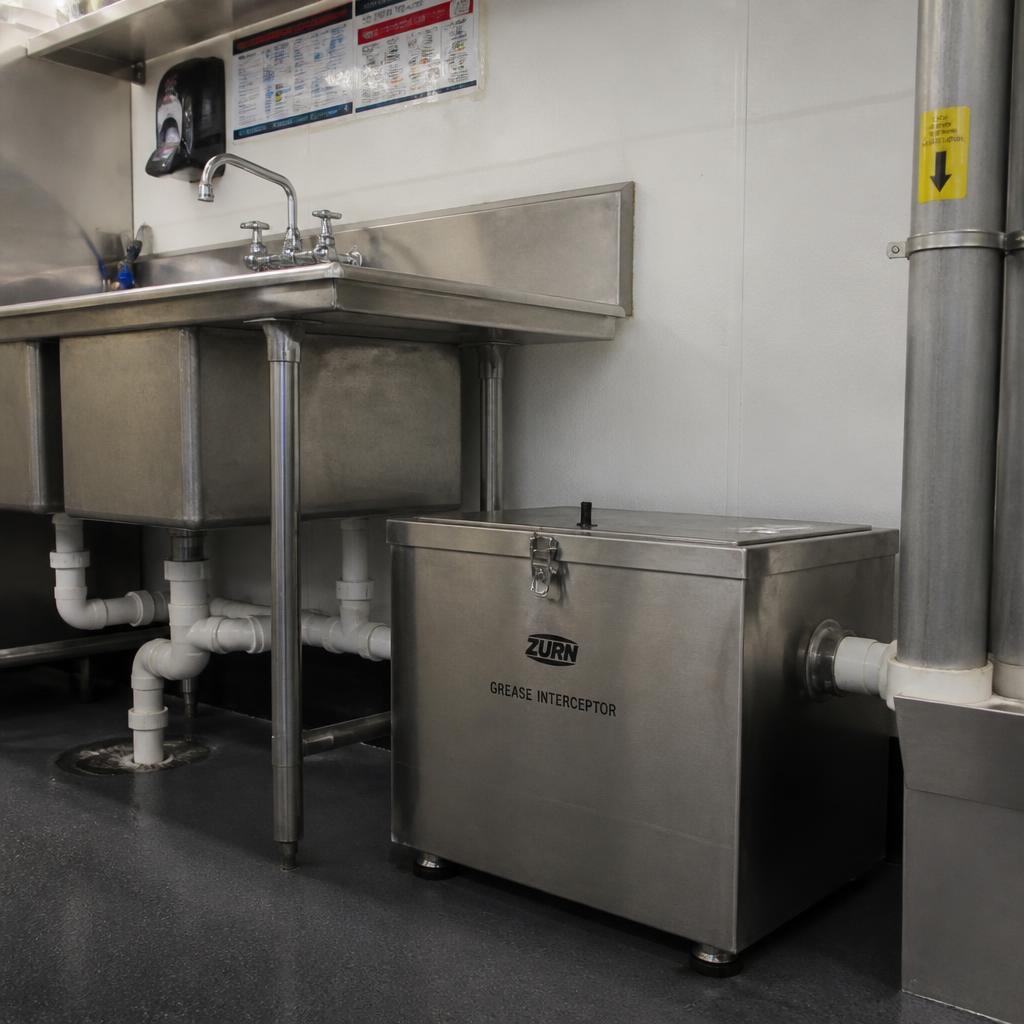
If you're planning to open a restaurant in Miami, choosing the right location is only part of the process. Before signing a Commercial Lease Agreement, one of the most important pieces of due diligence is verifying the property's grease trap or grease interceptor.
Many restaurant owners focus on rent, visibility, parking, or customer traffic, only to discover later that the space requires expensive plumbing upgrades because it does not have an adequate grease control system. In some cases, installing a new underground grease interceptor can significantly increase construction costs and delay a restaurant's opening.
Understanding how grease traps work and how Miami-Dade County's Fats, Oils, and Grease (FOG) Program affects restaurant properties is an essential part of evaluating Commercial Real Estate for food-service businesses.
What Is a Grease Trap?
A grease trap is a plumbing device designed to separate fats, oils, and grease (FOG) from wastewater before it enters the public sewer system.
Restaurants produce grease every day through cooking, washing dishes, cleaning equipment, and food preparation. Without a properly functioning grease control device, grease can accumulate inside sewer pipes, leading to blockages and costly maintenance.
Grease traps help protect both the restaurant's plumbing system and the public sewer infrastructure.
Grease Trap vs. Underground Grease Interceptor
Although people often use the terms interchangeably, there are important differences.
Grease Trap
A grease trap is generally a smaller device installed inside the building, often beneath sinks or within the kitchen plumbing system. These units are commonly used by smaller food-service operations that generate lower volumes of wastewater.
Underground Grease Interceptor
An underground grease interceptor is a much larger grease control device installed below ground, typically outside the building between the restaurant and the sanitary sewer.
Wastewater flows into the interceptor, where gravity allows:
- Grease and oil to float to the surface.
- Food solids to settle to the bottom.
- Cleaner water to continue into the sewer system.
Because they handle much larger volumes of wastewater, underground grease interceptors are commonly found in full-service restaurants, large kitchens, cafeterias, and other high-volume food-service establishments.
For many restaurant operators, an existing underground grease interceptor can represent one of the property's most valuable improvements.
Why Is This So Important in Miami-Dade County?
Miami-Dade County operates a comprehensive Fats, Oils, and Grease (FOG) Control Program designed to protect the public sewer system.
Many food-service establishments that discharge grease into the sanitary sewer system are considered FOG Generators and are generally required to comply with County regulations.
Depending on the business and property, this may include:
- An approved grease trap or grease interceptor.
- A FOG Discharge Control Operating Permit.
- Routine maintenance and cleaning.
- Maintenance records.
- Compliance with County inspection requirements.
Understanding these requirements before leasing restaurant space can help business owners better evaluate whether a property is suitable for their concept.
Why Restaurant Tenants Should Verify the Grease Trap Before Signing a Lease
One of the biggest mistakes restaurant owners make is assuming that every former restaurant space has a grease trap that will work for their business.
Before signing a lease, it's important to determine:
- Does the property have a grease trap or grease interceptor?
- Is it properly installed?
- What is its capacity?
- Is it adequate for the proposed restaurant concept?
- Has it been properly maintained?
- Are maintenance records available?
The answers to these questions can affect renovation planning and the overall suitability of the property.
Why an Existing Underground Grease Interceptor Can Be a Major Advantage
Installing a new underground grease interceptor can be a significant construction project.
Depending on the property, installation may involve:
- Engineering plans
- Plumbing design
- Excavation
- Concrete work
- Utility coordination
- County permits
- Inspections
- Site restoration
For this reason, many restaurant operators specifically search for second-generation restaurant spaces that already include an existing grease interceptor.
An existing system may reduce construction work, shorten project timelines, and simplify the restaurant build-out process, depending on its condition and capacity.
First-Generation vs. Second-Generation Restaurant Space
Understanding the difference between these two property types is essential.
First-Generation Restaurant Space
A first-generation restaurant space typically requires extensive construction before it can operate as a restaurant.
It may require:
- New grease interceptor
- Commercial kitchen
- Exhaust hood system
- Plumbing upgrades
- Gas service
- Electrical upgrades
- Fire suppression system
Second-Generation Restaurant Space
A second-generation restaurant space was previously occupied by another restaurant and may already include:
- Underground grease interceptor
- Commercial hood system
- Walk-in cooler
- Existing kitchen layout
- Utility connections
Even with existing infrastructure, restaurant owners should verify that the equipment is suitable for their intended use.
Questions Every Restaurant Tenant Should Ask the Landlord
Before leasing restaurant space, consider asking questions such as:
- Does the property have a grease trap or underground grease interceptor?
- What is its capacity?
- Can maintenance records be provided?
- Was the previous business a restaurant?
- Has the grease interceptor been regularly cleaned?
- Is there a current FOG Operating Permit?
- Will the existing system support my restaurant concept?
These questions can help provide a clearer understanding of the property's existing infrastructure.
Why Due Diligence Matters
A commercial lease is a major business commitment.
Before signing, restaurant operators often evaluate many aspects of the property, including:
- Grease trap or grease interceptor
- Commercial kitchen infrastructure
- Exhaust hood system
- Plumbing capacity
- Electrical service
- Gas availability
- Parking
- Accessibility
- Zoning compatibility
- Permitted use
- Lease terms
Reviewing these items early can help identify potential challenges before construction begins.
How a Commercial Real Estate Broker Can Help
A knowledgeable Commercial Real Estate Broker can help restaurant owners identify properties that fit their operational requirements and explain common commercial lease considerations.
A broker may assist by:
- Identifying restaurant-ready properties.
- Locating second-generation restaurant spaces.
- Comparing commercial lease opportunities.
- Coordinating property tours.
- Discussing existing restaurant infrastructure.
- Facilitating communication with landlords.
Because every restaurant concept has different requirements, understanding the property's existing improvements is an important part of selecting the right location.
Final Thoughts
A grease trap or underground grease interceptor is one of the most important infrastructure items to evaluate before leasing restaurant space in Miami-Dade County. It directly affects a property's ability to support food-service operations and may influence construction costs, renovation timelines, and overall project planning.
Whether you're opening a café, bakery, fast-casual restaurant, or fine dining establishment, verifying the property's grease control system should be an essential part of your Commercial Real Estate due diligence.
Choosing the right restaurant location isn't just about finding a great address—it's about making sure the property has the infrastructure needed to support your business from day one.
Frequently Asked Questions
What is a grease trap?
A grease trap is a plumbing device that separates fats, oils, and grease (FOG) from wastewater before it enters the public sewer system.
What is an underground grease interceptor?
An underground grease interceptor is a large grease control device installed below ground, typically outside a restaurant, that uses gravity to separate grease from wastewater before it reaches the sanitary sewer.
Why is a grease interceptor important when leasing restaurant space?
An existing grease interceptor can be a valuable improvement because it may reduce construction requirements and help determine whether the property is suitable for a restaurant.
Does every restaurant space in Miami-Dade County have a grease trap?
No. Some commercial spaces—particularly first-generation locations or former retail and office spaces—may not have an approved grease control device installed.
What should I ask the landlord before signing a restaurant lease?
Restaurant owners often ask about the existence, size, condition, maintenance history, and capacity of the grease trap or grease interceptor, along with other restaurant infrastructure such as hood systems and utility services.
Can a Commercial Real Estate Broker help identify restaurant-ready properties?
Yes. A Commercial Real Estate Broker can help identify restaurant-ready locations, explain common commercial lease considerations, compare available restaurant spaces, and assist throughout the commercial leasing process.
Authoritative references for this topic
Primary government, regulatory and industry sources readers can consult directly. This article is educational and is not legal, tax, or investment advice.
- Miami 21 Zoning Code and Zoning Information — City of Miami Planning Department
- ADA Standards for Accessible Design (Places of Public Accommodation) — U.S. Department of Justice
- Division of Hotels and Restaurants — Licensing a Food Service Establishment — Florida Department of Business & Professional Regulation
- Florida Statutes Chapter 83 — Landlord and Tenant (Part I, Nonresidential) — The Florida Senate
Lais Same
Lais Same is a commercial real estate broker serving Miami and South Florida, representing property owners, landlords, investors, buyers, and tenants in commercial property sales, leasing, investment transactions, valuation, and market analysis. Learn more about Lais Same or discuss a commercial property.
 Restaurant Real Estate
Opening a Restaurant in Miami: A Commercial Real Estate Guide for Restaurant Owners
Learn the key commercial real estate considerations for opening a restaurant in Miami, including location, lease structure, build-out costs, parking, signage, and local regulations.
 Commercial Real Estate Tips
How to Choose the Right Commercial Real Estate Broker: A Guide for Business Owners and Investors
Learn what to look for when choosing a Commercial Real Estate Broker, including experience, local market knowledge, negotiation skills, and communication.
 Leasing
What Is an Exclusive Use Clause in Commercial Real Estate?
Learn what an Exclusive Use Clause is in commercial leasing, why retailers and restaurants often negotiate it, and how it may affect landlords and tenants.
Need advisory on a specific property or market?
Speak directly with Lais about your leasing, acquisition, or investment goals in South Florida.
Schedule a Consultation