ADA Compliance in Commercial Real Estate: What Property Owners and Business Tenants Should Know
Understand the basics of ADA compliance in commercial real estate and why accessibility matters when leasing, buying, or renovating commercial property.
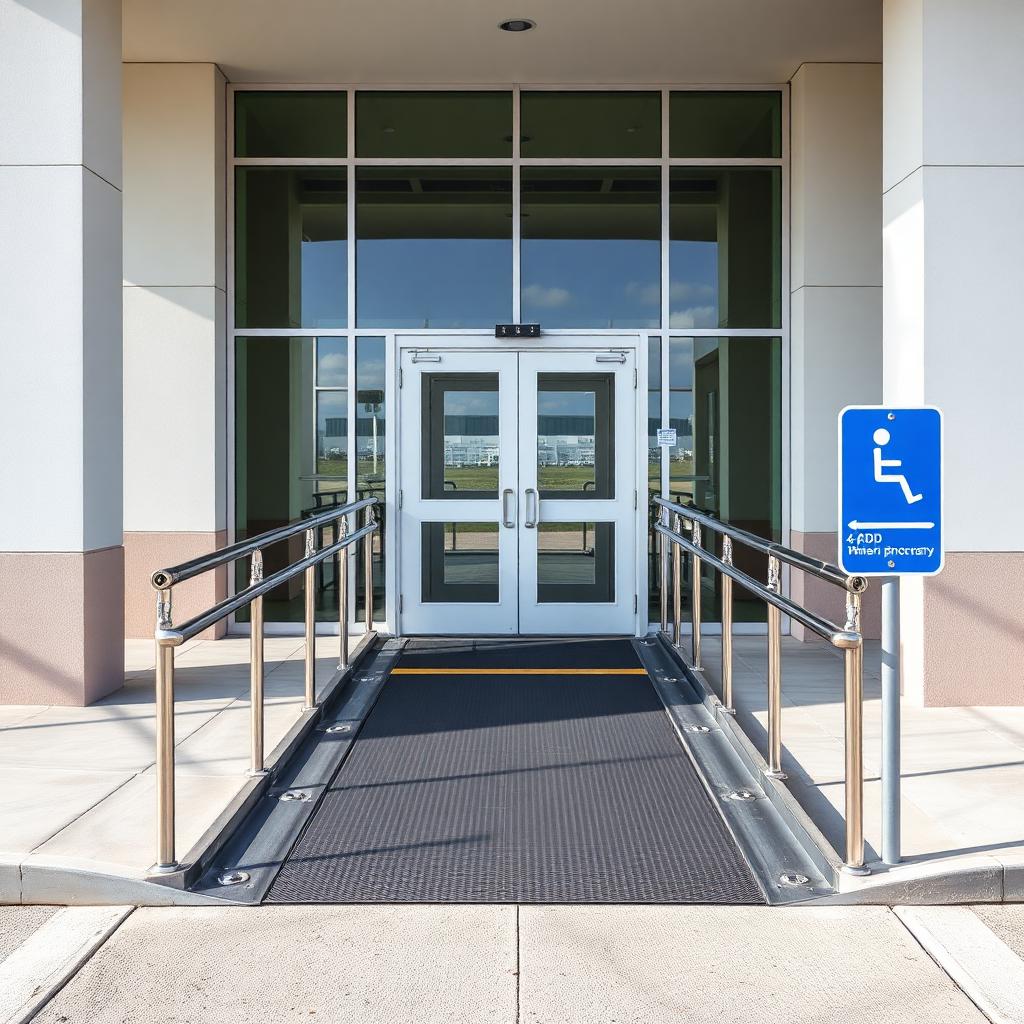
Whether you're leasing retail space, purchasing an office building, or opening a restaurant, ADA compliance is an important consideration in Commercial Real Estate. Accessible properties help ensure that individuals with disabilities can enter, navigate, and use commercial spaces.
When evaluating commercial property for lease or commercial property for sale, ADA compliance is often part of the overall due diligence process. Understanding the basics can help property owners, landlords, tenants, and investors recognize why accessibility plays an important role in commercial buildings.
This article provides a general educational overview of ADA compliance in Commercial Real Estate and explains why it should be considered before leasing, purchasing, or renovating a commercial property.
What Is ADA Compliance?
ADA stands for the Americans with Disabilities Act, a federal law enacted in 1990 that prohibits discrimination against individuals with disabilities in many areas of public life, including places of public accommodation and many commercial facilities.
In commercial real estate, ADA compliance generally refers to designing, constructing, and maintaining commercial properties so they are accessible to people with disabilities.
Accessibility requirements vary depending on factors such as the property's use, age, scope of renovations, and applicable regulations.
Why ADA Compliance Matters in Commercial Real Estate
Accessibility is an important part of operating many commercial properties.
Businesses that commonly consider ADA accessibility include:
- Restaurants
- Retail stores
- Medical offices
- Shopping centers
- Office buildings
- Hotels
- Banks
- Fitness centers
- Professional service businesses
- Entertainment venues
For many businesses, providing accessible access allows customers, employees, and visitors to use the property more easily.
Common ADA Features in Commercial Properties
Many commercial buildings include accessibility features such as:
- Accessible parking spaces
- Accessible parking routes
- Wheelchair ramps
- Automatic or accessible entrances
- Accessible restrooms
- Proper door clearances
- Accessible service counters
- Elevators (where applicable)
- Handrails
- Accessible drinking fountains
- Appropriate signage
- Accessible pathways throughout the property
The specific accessibility features required depend on the building and its intended use.
ADA Compliance When Leasing Commercial Space
Before signing a Commercial Lease Agreement, many tenants evaluate whether the property can accommodate their business operations.
Questions often include:
- Are the entrances accessible?
- Are the restrooms accessible?
- Is there accessible parking?
- Can customers easily navigate the property?
- Does the layout support accessibility?
These considerations can become especially important when leasing retail space or opening a customer-facing business.
ADA Compliance During Restaurant Build-Outs
Restaurants frequently undergo renovations before opening.
Depending on the scope of the project, accessibility may be considered for areas such as:
- Dining rooms
- Restrooms
- Customer entrances
- Outdoor seating
- Service counters
- Waiting areas
- Accessible routes
Restaurant owners often review accessibility as part of the overall design and construction planning process.
ADA Considerations for Shopping Centers
Shopping centers typically serve many different types of businesses and visitors.
Accessibility may include:
- Parking lots
- Sidewalks
- Crosswalks
- Building entrances
- Common walkways
- Public restrooms
- Accessible routes between tenants
Because shopping centers often have shared common areas, accessibility may involve both tenant spaces and common areas.
Existing Buildings vs. New Construction
Commercial properties vary significantly depending on when they were built.
Older buildings may have different accessibility characteristics than newly constructed properties. In some situations, renovations or alterations may affect accessibility considerations.
Understanding a property's age, history, and planned improvements is often part of evaluating commercial real estate.
ADA Compliance During Due Diligence
Whether leasing or purchasing commercial property, due diligence often includes reviewing the property's physical characteristics.
Business owners commonly evaluate:
- Parking
- Entrances
- Sidewalks
- Restrooms
- Interior circulation
- Elevators
- Door widths
- Customer service areas
- Exterior access
Accessibility is one of many factors that may be reviewed alongside zoning, building systems, lease terms, and property condition.
Who Is Responsible for ADA Compliance?
Responsibility for accessibility can vary depending on the circumstances and the terms of a commercial lease.
In some situations, responsibilities may be shared between landlords and tenants, while in others they may differ based on the lease agreement, the nature of the property, or the scope of renovations.
Because every property and lease is different, responsibilities should be evaluated individually.
How a Commercial Real Estate Broker Can Help
A knowledgeable Commercial Real Estate Broker can help clients identify properties that align with their operational needs and explain common commercial real estate considerations.
A broker may assist by:
- Identifying suitable commercial properties.
- Coordinating property tours.
- Discussing building characteristics.
- Explaining common lease provisions.
- Helping compare multiple commercial locations.
- Facilitating communication between landlords and tenants.
Accessibility is one of many factors that prospective tenants and buyers may consider during the property selection process.
Final Thoughts
ADA compliance is an important consideration in Commercial Real Estate, particularly for businesses that welcome customers, employees, or members of the public. Whether evaluating retail space, office buildings, restaurants, or shopping centers, accessibility is often an important part of the due diligence process.
Understanding the property's accessibility features before signing a commercial lease or purchasing commercial property can help business owners better evaluate whether the space is appropriate for their intended use. Because every property is different, accessibility should be reviewed together with other important factors such as location, parking, lease terms, zoning, and overall building condition.
Frequently Asked Questions
What does ADA stand for?
ADA stands for the Americans with Disabilities Act, a federal law that addresses accessibility and prohibits discrimination against individuals with disabilities in many public and commercial settings.
Does every commercial property have to be ADA compliant?
Accessibility requirements depend on several factors, including the property's use, age, construction history, and applicable regulations. Requirements may differ based on the specific circumstances of each property.
What are common ADA features in commercial buildings?
Common accessibility features include accessible parking, ramps, accessible entrances, restrooms, elevators where applicable, accessible routes, handrails, and appropriate signage.
Why should tenants consider ADA compliance before leasing commercial space?
Evaluating accessibility before signing a lease can help determine whether the property supports the intended business operations and customer access.
Is ADA compliance important for restaurants?
Yes. Restaurants often consider accessibility when planning dining areas, entrances, restrooms, service counters, waiting areas, and customer pathways, particularly during renovations or build-outs.
How can a Commercial Real Estate Broker help?
A Commercial Real Estate Broker can help identify suitable properties, compare commercial spaces, explain lease considerations, coordinate property tours, and assist clients throughout the commercial real estate transaction process.
Authoritative references for this topic
Primary government, regulatory and industry sources readers can consult directly. This article is educational and is not legal, tax, or investment advice.
- Miami 21 Zoning Code and Zoning Information — City of Miami Planning Department
- ADA Standards for Accessible Design (Places of Public Accommodation) — U.S. Department of Justice
- Division of Hotels and Restaurants — Licensing a Food Service Establishment — Florida Department of Business & Professional Regulation
- Florida Statutes Chapter 83 — Landlord and Tenant (Part I, Nonresidential) — The Florida Senate
Lais Same
Lais Same is a commercial real estate broker serving Miami and South Florida, representing property owners, landlords, investors, buyers, and tenants in commercial property sales, leasing, investment transactions, valuation, and market analysis. Learn more about Lais Same or discuss a commercial property.
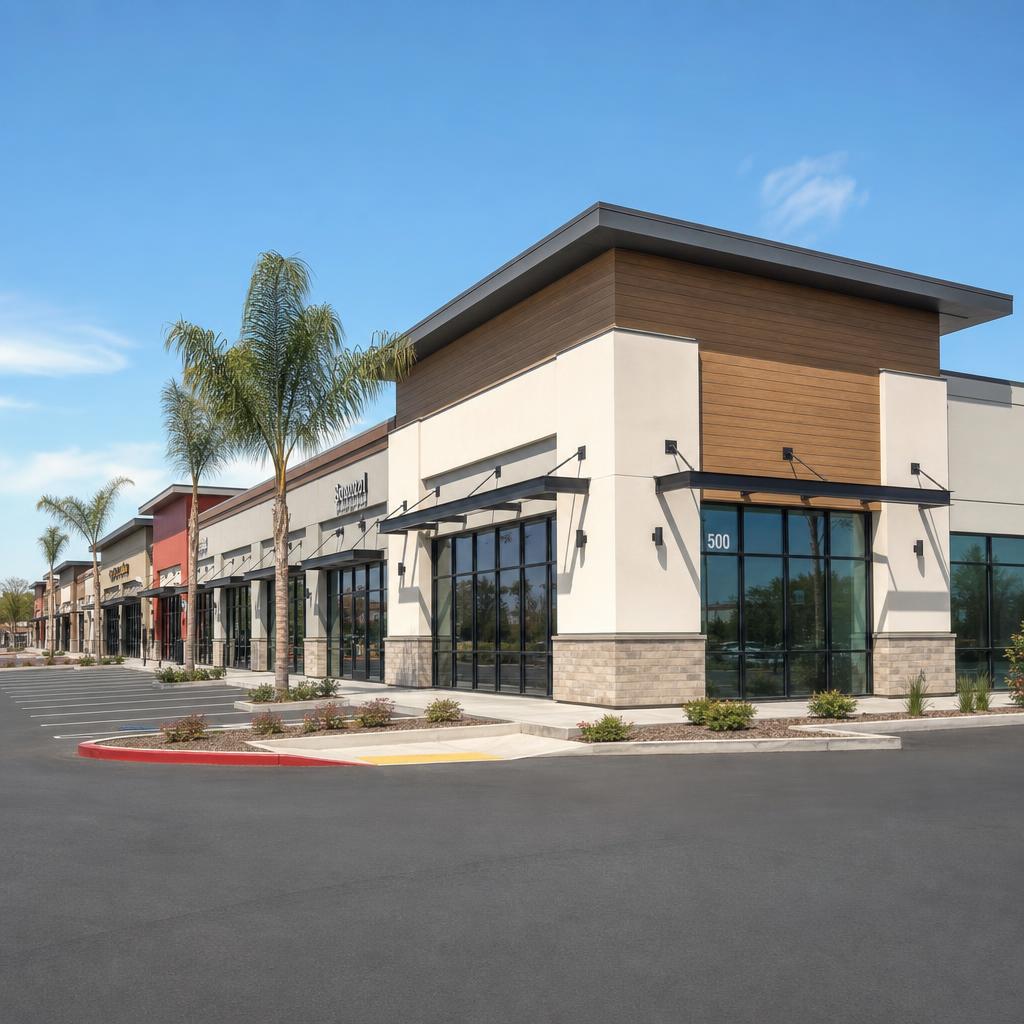 Retail
Inline vs. Endcap Retail Space: Understanding the Differences in Commercial Real Estate
Learn the key differences between inline and endcap retail spaces, including visibility, accessibility, signage, and rent considerations.
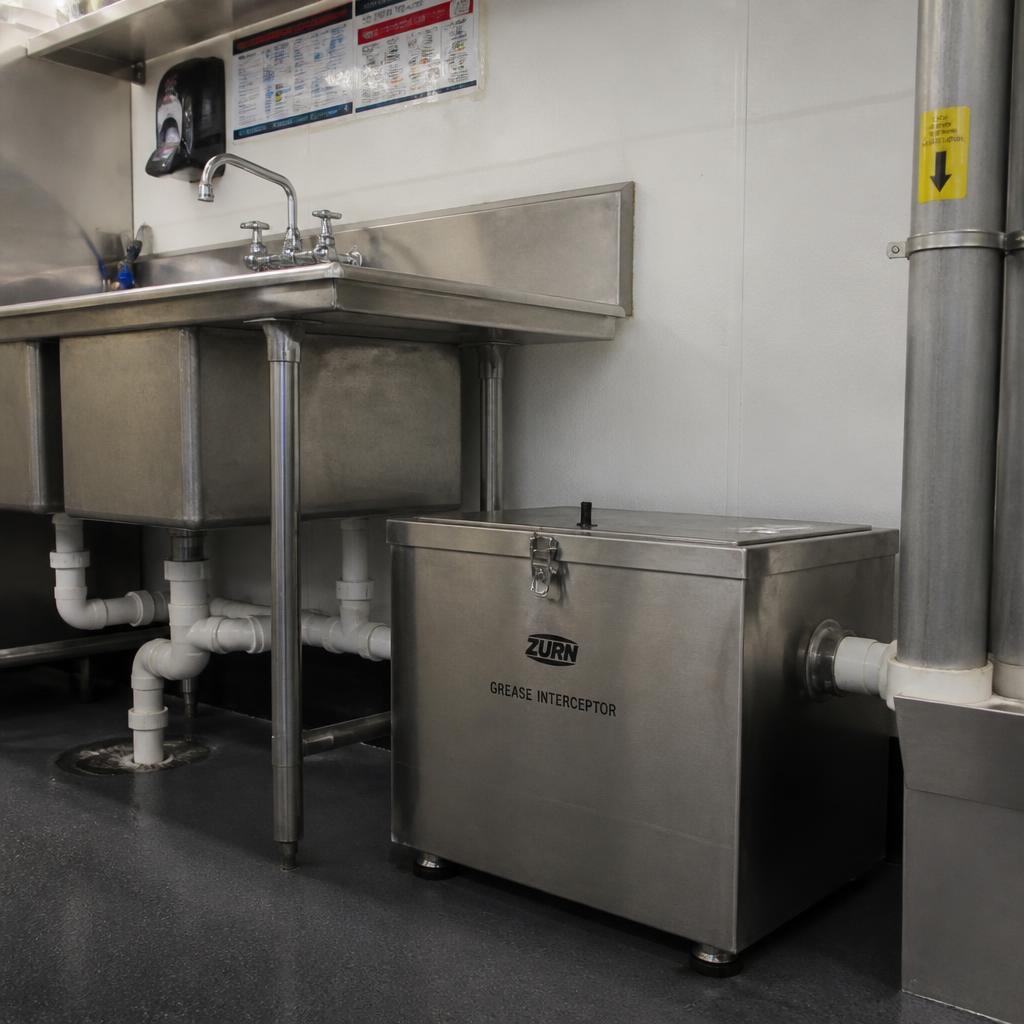 Restaurant Real Estate
Grease Traps in Miami-Dade County: Why Every Restaurant Tenant Should Verify Them Before Leasing Commercial Space
Learn why grease traps and grease interceptors are critical due diligence items when leasing restaurant space in Miami-Dade County.
 Restaurant Real Estate
Opening a Restaurant in Miami: A Commercial Real Estate Guide for Restaurant Owners
Learn the key commercial real estate considerations for opening a restaurant in Miami, including location, lease structure, build-out costs, parking, signage, and local regulations.
Need advisory on a specific property or market?
Speak directly with Lais about your leasing, acquisition, or investment goals in South Florida.
Schedule a Consultation