Liquor Licenses in Miami Commercial Real Estate: What Every Restaurant, Bar, and Hospitality Business Should Know
Learn how liquor licenses affect restaurant and bar site selection in Miami and why licensing is an important part of commercial real estate due diligence.
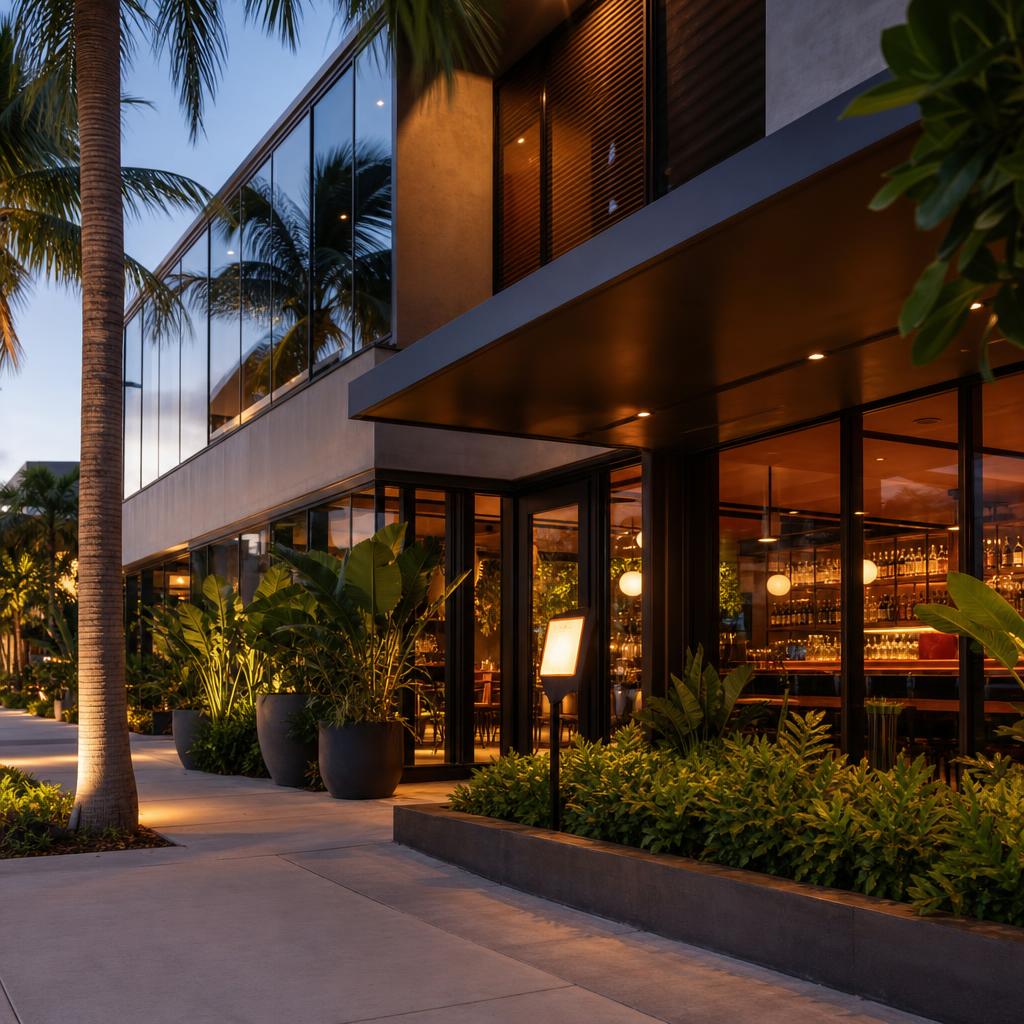
If you're planning to lease restaurant space in Miami, purchase a restaurant, or open a bar, one of the most important considerations is the liquor license. While finding the right Commercial Real Estate is essential, understanding how alcohol licensing may affect a property's suitability is equally important.
Many entrepreneurs assume that if a previous tenant served alcohol, they will automatically be able to do the same. In reality, several factors—including the property's zoning, local regulations, license type, and the new operator's approvals—can influence whether alcohol sales are permitted.
This article provides a general educational overview of liquor licenses in Miami and explains why they are an important part of the commercial real estate due diligence process.
What Is a Liquor License?
A liquor license is an authorization issued by the State of Florida that allows a business to sell alcoholic beverages under specific conditions. Depending on the type of business, the license may permit the sale of beer, wine, or distilled spirits for on-premises or off-premises consumption.
Restaurants, bars, lounges, breweries, nightclubs, hotels, and some retail businesses may require different types of liquor licenses depending on their operations.
Before opening a business that intends to sell alcohol, operators should understand which license category may apply to their specific business model.
Why Liquor Licenses Matter in Commercial Real Estate
For many hospitality businesses, the ability to sell alcoholic beverages can influence the type of commercial property they consider leasing or purchasing.
When evaluating restaurant space for lease or commercial property for sale, prospective tenants and buyers often consider:
- Whether alcohol sales are permitted at the location.
- Whether the previous business held a liquor license.
- The property's zoning and permitted use.
- Whether the business concept aligns with local regulations.
- Whether the property is suitable for restaurant or bar operations.
A desirable location alone does not necessarily mean it is appropriate for every hospitality concept.
Different Types of Businesses That May Need a Liquor License
Businesses that commonly operate with liquor licenses include:
- Full-service restaurants
- Fine dining restaurants
- Sports bars
- Cocktail lounges
- Wine bars
- Breweries
- Hotels
- Entertainment venues
- Nightclubs
- Catering facilities
The type of alcohol served and the way it is sold often determine which license category may be required.
Restaurant Space and Liquor Licensing
Many restaurant owners search specifically for second-generation restaurant space because these locations may already include valuable infrastructure such as:
- Commercial kitchens
- Grease interceptors
- Exhaust hood systems
- Dining areas
- Bars
- Existing restaurant layouts
However, even if a previous tenant operated a restaurant with alcohol service, the new operator should not assume that the same licensing or approvals automatically transfer to the new business.
Restaurant owners typically evaluate licensing requirements as part of their overall due diligence.
Does a Liquor License Transfer with the Business?
Whether a liquor license can be transferred depends on the specific circumstances, the type of transaction, and applicable Florida laws and regulations.
For example, purchasing an existing restaurant business may involve different considerations than leasing an empty commercial space or opening a completely new restaurant concept.
Each transaction should be evaluated individually.
Why Location Can Matter
Location is one of the most important factors in Commercial Real Estate, but it may also affect the feasibility of alcohol sales.
Depending on the municipality and applicable regulations, considerations may include:
- Zoning classifications
- Distance requirements from certain uses
- Local land development regulations
- Property use approvals
- Occupancy classifications
Requirements can vary depending on the jurisdiction and the specific property.
Questions to Ask Before Leasing Restaurant Space
Before signing a commercial lease, many restaurant operators gather information such as:
- Is alcohol service permitted at this location?
- What type of business previously occupied the property?
- Does the zoning support the proposed use?
- Was alcohol previously served at the premises?
- Does the property include an existing bar area?
- Are there any lease restrictions regarding alcohol sales?
These questions help provide a clearer understanding of whether the property aligns with the intended business concept.
Liquor Licenses and Restaurant Value
For existing restaurant businesses, the presence of a liquor license may be one of several factors considered during the purchase or sale of a business.
Other factors commonly evaluated include:
- Business location
- Lease terms
- Restaurant infrastructure
- Customer base
- Equipment
- Brand recognition
- Financial performance
- Market conditions
The overall value of a business depends on numerous factors, not solely on the existence of a liquor license.
Due Diligence Before Signing a Commercial Lease
Restaurant due diligence often extends beyond the physical property.
Prospective tenants commonly review:
- Zoning compatibility
- Permitted use
- Grease trap or grease interceptor
- Commercial kitchen infrastructure
- Exhaust hood system
- Utility capacity
- Parking availability
- ADA accessibility
- Lease provisions
- Alcohol licensing considerations
Reviewing these items before committing to a lease helps provide a more complete understanding of the commercial property.
How a Commercial Real Estate Broker Can Help
A knowledgeable Commercial Real Estate Broker can help restaurant owners identify suitable restaurant spaces and explain common commercial real estate considerations during the site selection process.
A broker may assist by:
- Identifying restaurant-ready properties.
- Comparing multiple commercial locations.
- Coordinating property tours.
- Reviewing lease provisions.
- Discussing property characteristics.
- Facilitating communication between landlords and prospective tenants.
Because every restaurant concept is different, selecting the right commercial property involves evaluating both the physical space and the intended business use.
Final Thoughts
A liquor license is an important consideration when leasing or purchasing Commercial Real Estate in Miami for restaurants, bars, and other hospitality businesses. While the property itself is a critical part of the decision-making process, understanding how alcohol licensing may relate to the location, business concept, and applicable regulations is equally important.
Whether you're opening a neighborhood restaurant, a fine dining establishment, a cocktail lounge, or another hospitality concept, evaluating liquor license considerations alongside zoning, lease terms, infrastructure, and property condition can provide a more complete picture of a commercial property before moving forward.
Frequently Asked Questions
What is a liquor license?
A liquor license is an authorization issued by the State of Florida that allows a business to sell alcoholic beverages under specific conditions and in accordance with applicable laws and regulations.
Do all restaurants in Miami need a liquor license?
No. Restaurants that do not sell alcoholic beverages generally do not need a liquor license for that purpose. Businesses intending to sell alcohol typically must obtain the appropriate authorization.
Does a previous restaurant's liquor license automatically transfer to a new tenant?
Not necessarily. Whether a liquor license can transfer depends on the type of license, the nature of the transaction, and applicable Florida regulations.
Why is a liquor license important when leasing restaurant space?
For businesses planning to sell alcoholic beverages, understanding licensing requirements is an important part of evaluating whether a commercial property is suitable for their intended operations.
Should zoning be reviewed before leasing restaurant space?
Yes. Zoning and permitted use are commonly reviewed during the commercial real estate due diligence process because they can affect how a property may be used.
How can a Commercial Real Estate Broker help?
A Commercial Real Estate Broker can help identify restaurant properties, compare commercial lease opportunities, explain common lease considerations, coordinate property tours, and assist clients throughout the commercial real estate transaction process.
Authoritative references for this topic
Primary government, regulatory and industry sources readers can consult directly. This article is educational and is not legal, tax, or investment advice.
- Miami 21 Zoning Code and Zoning Information — City of Miami Planning Department
- ADA Standards for Accessible Design (Places of Public Accommodation) — U.S. Department of Justice
- Division of Hotels and Restaurants — Licensing a Food Service Establishment — Florida Department of Business & Professional Regulation
- Florida Statutes Chapter 83 — Landlord and Tenant (Part I, Nonresidential) — The Florida Senate
Lais Same
Lais Same is a commercial real estate broker serving Miami and South Florida, representing property owners, landlords, investors, buyers, and tenants in commercial property sales, leasing, investment transactions, valuation, and market analysis. Learn more about Lais Same or discuss a commercial property.
 Commercial Real Estate Tips
ADA Compliance in Commercial Real Estate: What Property Owners and Business Tenants Should Know
Understand the basics of ADA compliance in commercial real estate and why accessibility matters when leasing, buying, or renovating commercial property.
 Retail
Inline vs. Endcap Retail Space: Understanding the Differences in Commercial Real Estate
Learn the key differences between inline and endcap retail spaces, including visibility, accessibility, signage, and rent considerations.
 Restaurant Real Estate
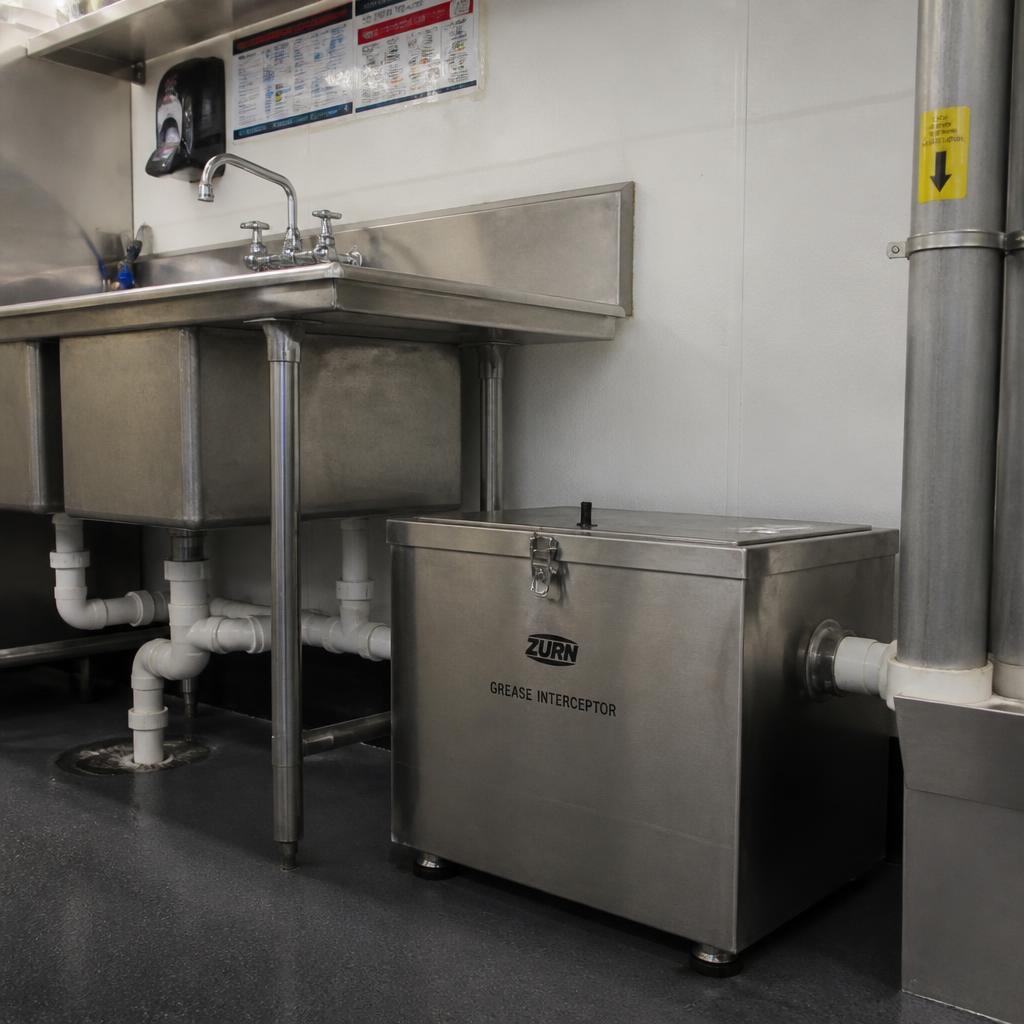
Grease Traps in Miami-Dade County: Why Every Restaurant Tenant Should Verify Them Before Leasing Commercial Space
Learn why grease traps and grease interceptors are critical due diligence items when leasing restaurant space in Miami-Dade County.
Need advisory on a specific property or market?
Speak directly with Lais about your leasing, acquisition, or investment goals in South Florida.
Schedule a Consultation