Certificate of Use (CU) in Commercial Real Estate
Learn what a Certificate of Use (CU) is, how it differs from a Certificate of Occupancy, and why it matters when leasing or purchasing commercial real estate.
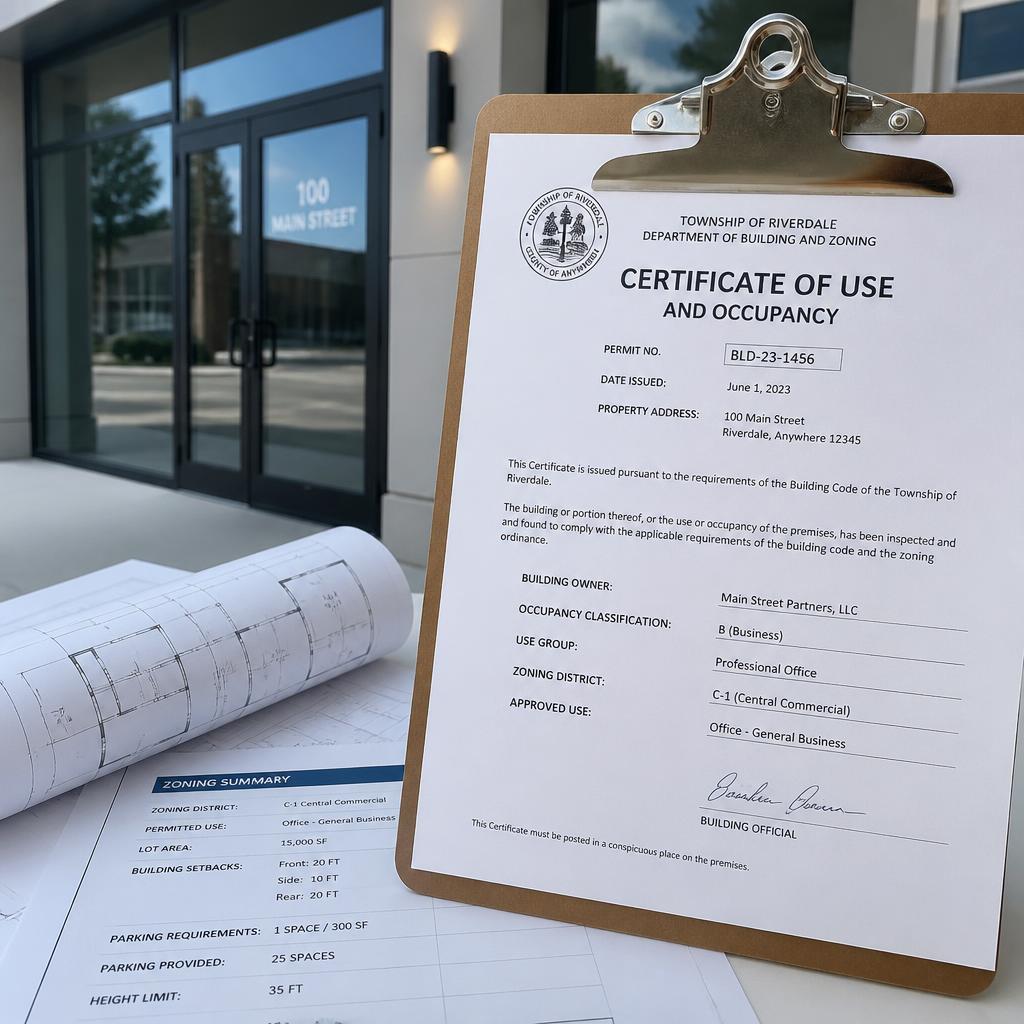
If you're planning to lease commercial space, purchase a commercial property, or open a new business, one document you may encounter during the due diligence process is the Certificate of Use (CU). While many business owners focus on lease terms, rental rates, and location, understanding whether a property can legally operate for its intended business use is equally important.
A Certificate of Use is commonly required by many municipalities before a business can begin operating from a commercial property. Although requirements vary by city and county, a CU generally confirms that the proposed business use complies with applicable local zoning regulations and municipal requirements.
This article provides an educational overview of Certificates of Use (CU) and explains why they are an important consideration in Commercial Real Estate.
What Is a Certificate of Use (CU)?
A Certificate of Use (CU) is a document issued by many local governments that authorizes a business to operate at a specific commercial location after meeting applicable municipal requirements.
A Certificate of Use is generally associated with the business activity taking place at a property rather than ownership of the building itself. In many jurisdictions, a new Certificate of Use may be required when:
- A new business opens.
- A business changes ownership.
- The type of business changes.
- A business relocates.
- Certain renovations or occupancy changes occur.
Requirements vary depending on the city, county, and type of business.
Certificate of Use vs. Certificate of Occupancy
Although these terms are often confused, they serve different purposes.
Certificate of Occupancy (CO)
A Certificate of Occupancy generally confirms that a building or tenant space has been constructed or renovated in accordance with applicable building codes and is approved for occupancy.
It primarily relates to the building itself.
Certificate of Use (CU)
A Certificate of Use generally relates to how the business will operate within the property.
For example, two businesses may occupy the same commercial suite at different times, but each business may need its own Certificate of Use depending on local requirements.
Understanding the difference between these two documents is an important part of the commercial leasing process.
Why Is a Certificate of Use Important?
Before leasing commercial property, business owners often verify that the intended business use is permitted at the location.
A Certificate of Use may help confirm that the proposed business activity complies with local municipal requirements.
This can be especially important for businesses such as:
- Restaurants
- Medical offices
- Veterinary clinics
- Retail stores
- Daycare facilities
- Warehouses
- Manufacturing businesses
- Professional offices
- Personal service businesses
Different business types may have different municipal requirements depending on their operations.
How the Certificate of Use Relates to Commercial Real Estate
Finding the perfect commercial location involves more than choosing the right size or rental rate.
Business owners often evaluate:
- Property location
- Zoning
- Permitted use
- Parking
- Accessibility
- Building layout
- Utility capacity
- Existing improvements
- Certificate of Use requirements
Even if a property appears suitable, local regulations may affect whether a specific business can operate at that location.
Does Every Business Need a Certificate of Use?
Requirements vary depending on the municipality.
Some local governments require a Certificate of Use for many commercial businesses, while others may have different permitting processes.
Because each city establishes its own procedures, business owners should verify the requirements that apply to the property's jurisdiction.
Why Previous Business Use Matters
One important step during due diligence is understanding how the property was previously used.
For example:
- Was the space previously a restaurant?
- Was it a medical office?
- Was it retail?
- Was it used as a warehouse?
- Was it vacant?
The previous business use may help identify potential infrastructure already in place, but it does not necessarily determine whether a new business can automatically operate there.
Each proposed use should be evaluated independently under applicable local requirements.
Certificate of Use and Restaurant Space
Restaurants often require additional due diligence because they involve specialized infrastructure and operational requirements.
When evaluating restaurant space for lease, business owners frequently review:
- Certificate of Use requirements
- Zoning compatibility
- Grease trap or grease interceptor
- Commercial kitchen
- Exhaust hood system
- Utility capacity
- Parking
- Accessibility
- Outdoor seating opportunities
These factors are commonly reviewed together during the site selection process.
Questions to Ask Before Leasing Commercial Space
Before signing a commercial lease, business owners often gather information such as:
- Is my proposed business use permitted at this property?
- Will a new Certificate of Use be required?
- What type of business previously operated in the space?
- Are there any local restrictions on my intended use?
- Will additional approvals or inspections be necessary?
- Does the existing layout support my business operations?
The answers may vary depending on the municipality and the nature of the business.
Due Diligence Before Signing a Commercial Lease
A commercial lease is a significant commitment, making due diligence an essential part of the process.
Business owners commonly review:
- Zoning compatibility
- Certificate of Use requirements
- Certificate of Occupancy
- Building condition
- Parking
- ADA accessibility
- Lease provisions
- Permitted use
- Utility capacity
- Existing improvements
Evaluating these items early can help provide a better understanding of whether the property is appropriate for the intended business.
How a Commercial Real Estate Broker Can Help
A knowledgeable Commercial Real Estate Broker can assist business owners in identifying properties that align with their operational needs and help explain common due diligence considerations.
A broker may assist by:
- Identifying available commercial properties.
- Comparing multiple locations.
- Coordinating property tours.
- Discussing zoning and permitted use.
- Explaining common commercial lease provisions.
- Facilitating communication with landlords and local municipalities.
Because every business has unique operational requirements, selecting the right commercial property involves evaluating more than just location and rental rate.
Final Thoughts
A Certificate of Use (CU) is an important consideration when leasing or purchasing Commercial Real Estate. While requirements differ among municipalities, the Certificate of Use generally relates to the business activity taking place within a property and is often part of the process of opening or relocating a business.
Understanding the relationship between a Certificate of Use, zoning, permitted use, and the physical characteristics of a commercial property can help business owners better evaluate potential locations during the commercial real estate due diligence process.
Frequently Asked Questions
What is a Certificate of Use (CU)?
A Certificate of Use is a document issued by many local governments that authorizes a business to operate at a specific location after applicable municipal requirements have been satisfied.
Is a Certificate of Use the same as a Certificate of Occupancy?
No. A Certificate of Occupancy generally relates to the building's compliance with applicable building codes, while a Certificate of Use generally relates to the specific business activity conducted at the property.
Does every commercial business need a Certificate of Use?
Requirements vary by municipality and business type. Some local governments require a Certificate of Use for many commercial businesses, while others may have different permitting procedures.
Why is a Certificate of Use important before leasing commercial space?
Understanding whether a proposed business use is permitted at a property is an important part of the commercial real estate due diligence process and may affect whether a business can operate at that location.
Why should I verify the previous use of a commercial property?
The previous use may provide insight into existing infrastructure and approvals, but it does not necessarily mean a new business can operate under the same conditions. Local requirements should be reviewed for the proposed use.
How can a Commercial Real Estate Broker help?
A Commercial Real Estate Broker can help identify suitable commercial properties, explain common due diligence considerations, compare available spaces, coordinate property tours, and assist throughout the leasing or purchasing process.
Authoritative references for this topic
Primary government, regulatory and industry sources readers can consult directly. This article is educational and is not legal, tax, or investment advice.
- Miami 21 Zoning Code and Zoning Information — City of Miami Planning Department
- ADA Standards for Accessible Design (Places of Public Accommodation) — U.S. Department of Justice
- PortMiami Cargo and Trade Statistics — Miami-Dade County / PortMiami
- Division of Hotels and Restaurants — Licensing a Food Service Establishment — Florida Department of Business & Professional Regulation
Lais Same
Lais Same is a commercial real estate broker serving Miami and South Florida, representing property owners, landlords, investors, buyers, and tenants in commercial property sales, leasing, investment transactions, valuation, and market analysis. Learn more about Lais Same or discuss a commercial property.
 Commercial Real Estate Tips
Mixed-Use Properties in Commercial Real Estate
Learn what mixed-use properties are, how they combine retail, office, residential, and hospitality uses, and why they are an important part of modern commercial real estate.
 Restaurant Real Estate
Liquor Licenses in Miami Commercial Real Estate: What Every Restaurant, Bar, and Hospitality Business Should Know
Learn how liquor licenses affect restaurant and bar site selection in Miami and why licensing is an important part of commercial real estate due diligence.
 Commercial Real Estate Tips
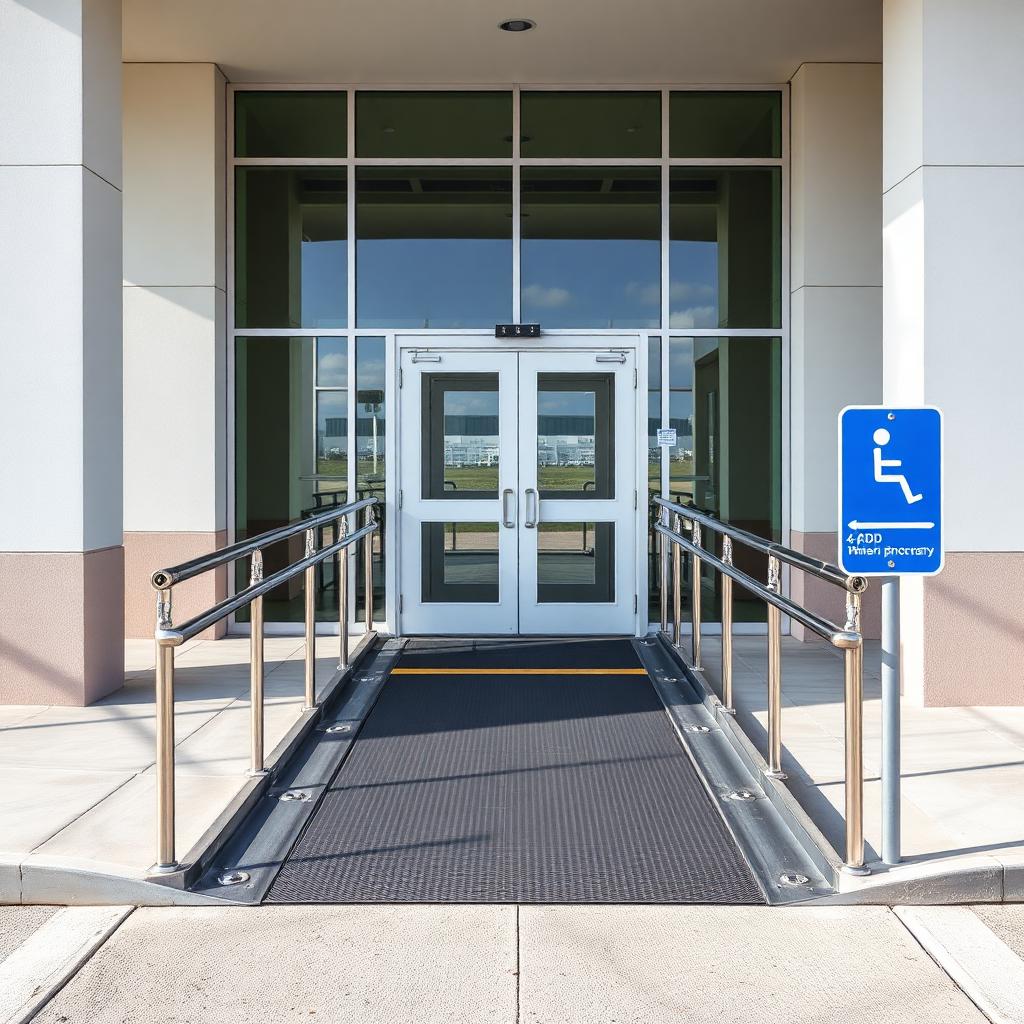
ADA Compliance in Commercial Real Estate: What Property Owners and Business Tenants Should Know
Understand the basics of ADA compliance in commercial real estate and why accessibility matters when leasing, buying, or renovating commercial property.
Need advisory on a specific property or market?
Speak directly with Lais about your leasing, acquisition, or investment goals in South Florida.
Schedule a Consultation