What Is an Anchor Tenant in Commercial Real Estate? Why It Matters When Leasing Retail Space
Learn what an anchor tenant is in commercial real estate, why anchor tenants matter for retail shopping centers, and how they can affect your commercial leasing decision.
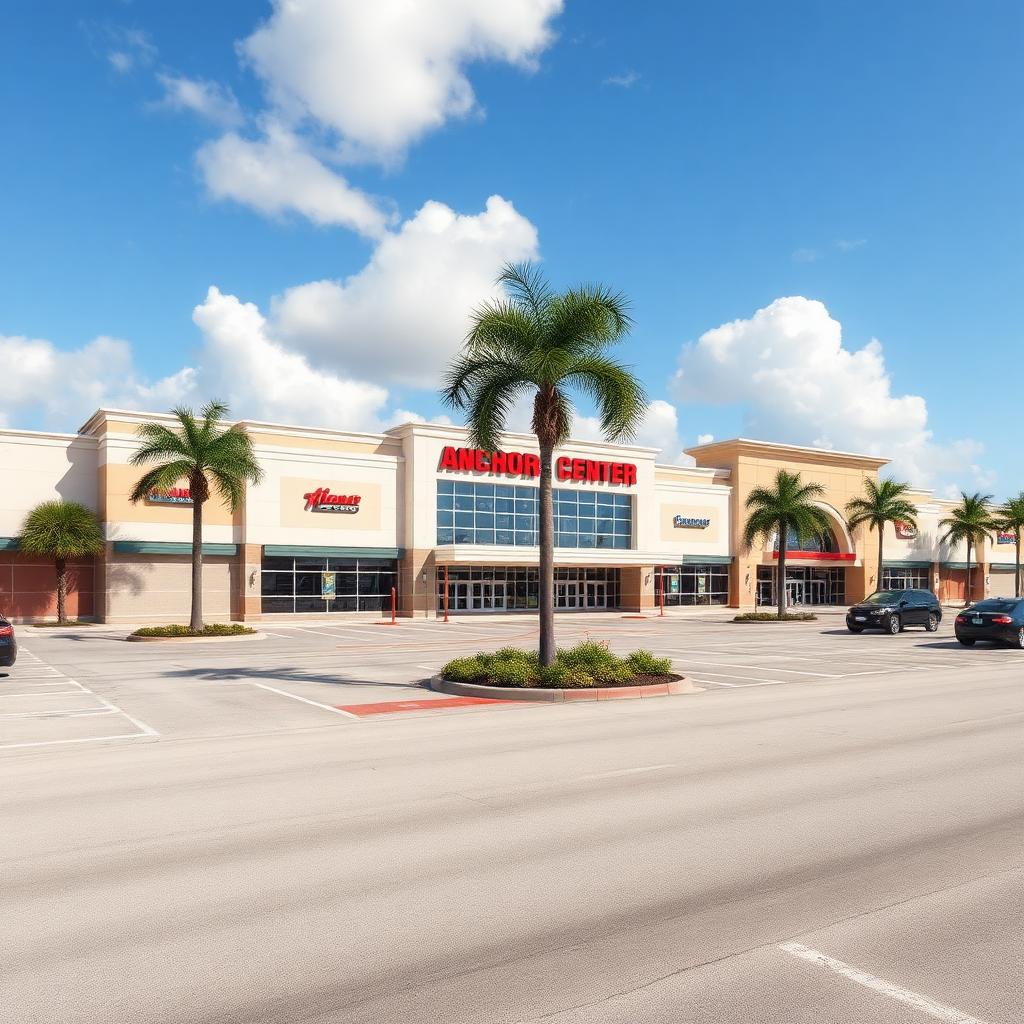
If you're searching for retail space for lease, you've likely come across the term anchor tenant. In Commercial Real Estate, an anchor tenant is often one of the most important factors influencing a shopping center's success. These businesses help attract customers, generate foot traffic, and increase visibility for neighboring tenants.
Whether you're opening a restaurant, retail store, fitness center, medical office, or service-based business, understanding the role of an anchor tenant can help you evaluate the potential of a commercial property before signing a Commercial Lease Agreement.
This article explains what an anchor tenant is, why it matters, and how it can influence commercial leasing decisions.
What Is an Anchor Tenant?
An anchor tenant is a large, well-established business that serves as a primary attraction within a shopping center, retail plaza, or mixed-use development. Because these businesses are widely recognized and attract a high volume of customers, they often help drive traffic to the entire property.
Anchor tenants are typically among the largest occupants in a retail development and may lease significantly more square footage than neighboring businesses.
Their presence can influence the overall appeal of a shopping center for both customers and prospective tenants.
Common Examples of Anchor Tenants
While every shopping center is different, common anchor tenants include:
- Grocery stores
- National supermarkets
- Discount retailers
- Department stores
- Home improvement stores
- Warehouse clubs
- Large pharmacies
- Sporting goods stores
- Movie theaters
- National fitness centers
In some mixed-use developments, large entertainment venues or specialty retailers may also function as anchor tenants.
Why Are Anchor Tenants Important?
Anchor tenants are often considered the "traffic generators" of a commercial property.
Customers who visit an anchor tenant frequently shop, dine, or use services offered by nearby businesses during the same trip.
This additional activity can benefit neighboring tenants by increasing exposure and customer visits.
For many retail businesses, proximity to a successful anchor tenant is an important factor when selecting commercial space.
How Anchor Tenants Benefit Smaller Businesses
Many smaller businesses choose locations near anchor tenants because of the consistent customer traffic they may generate.
Potential benefits include:
- Increased pedestrian traffic
- Greater visibility
- More spontaneous customer visits
- Enhanced brand exposure
- Stronger shopping center recognition
- Shared customer base
- Increased convenience for shoppers
The level of benefit varies depending on the shopping center's layout, customer behavior, and the type of anchor tenant.
Does Every Shopping Center Have an Anchor Tenant?
No.
Some neighborhood retail centers consist entirely of smaller local businesses and do not have a traditional anchor tenant.
Others may feature several medium-sized tenants that collectively generate customer traffic rather than relying on a single large business.
Mixed-use developments may also attract visitors through residential units, office buildings, restaurants, hotels, or entertainment venues instead of one dominant retailer.
Choosing Space Near an Anchor Tenant
When evaluating commercial space for lease, business owners often consider how close their location is to the anchor tenant.
Depending on the shopping center's design, businesses located along the primary customer path between parking areas and the anchor tenant may receive more pedestrian traffic.
Other factors that influence visibility include:
- Storefront location
- Corner or endcap position
- Parking layout
- Main entrances
- Sidewalk connections
- Monument signage
- Building orientation
Each shopping center has a unique customer traffic pattern.
Can an Anchor Tenant Affect Rent?
In many shopping centers, spaces located near a successful anchor tenant may command higher rental rates than comparable spaces in less active areas.
This is often due to:
- Increased customer exposure
- Higher pedestrian traffic
- Greater visibility
- Premium locations within the shopping center
However, rental rates are influenced by many factors, including market conditions, property quality, lease terms, and tenant demand.
Anchor Tenants and Tenant Mix
A well-planned shopping center often includes a balanced tenant mix, combining anchor tenants with complementary businesses.
For example, a grocery-anchored shopping center may also include:
- Coffee shops
- Restaurants
- Bakeries
- Hair salons
- Banks
- Medical offices
- Fitness studios
- Insurance agencies
- Pet supply stores
- Professional services
A diverse tenant mix can create a convenient destination for customers while supporting businesses throughout the property.
What Happens if an Anchor Tenant Leaves?
When an anchor tenant vacates a shopping center, it may affect customer traffic and the overall dynamics of the property.
Property owners often seek to replace the tenant with another business that attracts a similar volume of visitors.
The impact on neighboring tenants depends on several factors, including:
- The size of the vacant space
- The type of business that departed
- The shopping center's overall tenant mix
- Market conditions
- The availability of a replacement tenant
Many successful shopping centers continue to perform well after attracting a new anchor tenant.
Evaluating a Shopping Center Beyond the Anchor Tenant
While anchor tenants are important, they are only one factor to consider when selecting Commercial Real Estate.
Business owners often evaluate:
- Daily traffic counts
- Population demographics
- Parking availability
- Visibility
- Accessibility
- Tenant mix
- Nearby competition
- Lease terms
- Common Area Maintenance (CAM) charges
- Future development plans
Considering the complete picture helps businesses determine whether a location aligns with their operational goals.
How a Commercial Real Estate Broker Can Help
A knowledgeable Commercial Real Estate Broker can help business owners evaluate shopping centers and determine whether a particular location supports their business objectives.
A broker may assist by:
- Identifying available retail spaces
- Comparing shopping centers
- Evaluating anchor tenants and tenant mix
- Reviewing lease terms
- Coordinating property tours
- Explaining common commercial lease provisions
- Assisting throughout the leasing process
Every business has different location priorities, and understanding the role of an anchor tenant is just one part of selecting the right commercial property.
Final Thoughts
An anchor tenant is one of the key elements that can influence the success of a shopping center. By attracting customers and increasing activity throughout the property, anchor tenants often contribute to the visibility and accessibility of neighboring businesses.
Whether you're looking for retail space for lease, opening a restaurant, or expanding your business, understanding how anchor tenants affect customer traffic, tenant mix, and shopping center dynamics can help you make more informed commercial real estate decisions.
Frequently Asked Questions
What is an anchor tenant?
An anchor tenant is a large, well-established business that attracts customers to a shopping center or retail development and helps generate traffic for neighboring businesses.
What are examples of anchor tenants?
Common examples include grocery stores, supermarkets, department stores, home improvement stores, discount retailers, movie theaters, fitness centers, warehouse clubs, and large pharmacies.
Why are anchor tenants important?
Anchor tenants often generate customer traffic that may benefit surrounding businesses by increasing visibility and encouraging shoppers to visit multiple stores during the same trip.
Does every shopping center have an anchor tenant?
No. Some neighborhood shopping centers rely on a collection of smaller businesses or mixed-use components rather than a single large anchor tenant.
Do spaces near anchor tenants usually cost more?
In many shopping centers, retail spaces located near successful anchor tenants may have higher rental rates because of increased visibility and customer traffic. Rental rates vary depending on the property and market conditions.
How can a Commercial Real Estate Broker help?
A Commercial Real Estate Broker can help identify available retail spaces, compare shopping centers, evaluate tenant mix and anchor tenants, explain lease provisions, and assist throughout the commercial leasing process.
Authoritative references for this topic
Primary government, regulatory and industry sources readers can consult directly. This article is educational and is not legal, tax, or investment advice.
- FEMA Flood Map Service Center — U.S. Federal Emergency Management Agency
- ADA Standards for Accessible Design (Places of Public Accommodation) — U.S. Department of Justice
- PortMiami Cargo and Trade Statistics — Miami-Dade County / PortMiami
- Division of Hotels and Restaurants — Licensing a Food Service Establishment — Florida Department of Business & Professional Regulation
Lais Same
Lais Same is a commercial real estate broker serving Miami and South Florida, representing property owners, landlords, investors, buyers, and tenants in commercial property sales, leasing, investment transactions, valuation, and market analysis. Learn more about Lais Same or discuss a commercial property.
 Commercial Real Estate Tips
What Is Due Diligence for a Tenant in Commercial Real Estate? A Complete Guide Before Signing a Lease
Learn what tenant due diligence means in commercial real estate, what to review before signing a lease, and why it matters for restaurants, offices, retail, and medical tenants.
 Commercial Real Estate Tips
Certificate of Use (CU) in Commercial Real Estate
Learn what a Certificate of Use (CU) is, how it differs from a Certificate of Occupancy, and why it matters when leasing or purchasing commercial real estate.
 Commercial Real Estate Tips
Mixed-Use Properties in Commercial Real Estate
Learn what mixed-use properties are, how they combine retail, office, residential, and hospitality uses, and why they are an important part of modern commercial real estate.
Need advisory on a specific property or market?
Speak directly with Lais about your leasing, acquisition, or investment goals in South Florida.
Schedule a Consultation