SBA 504 & SBA 7(a) Financing for Commercial Real Estate: A Guide for Business Owners
A practical comparison of SBA 504 and SBA 7(a) financing for owner-occupied commercial property, including equity, occupancy, eligible uses, and due diligence.
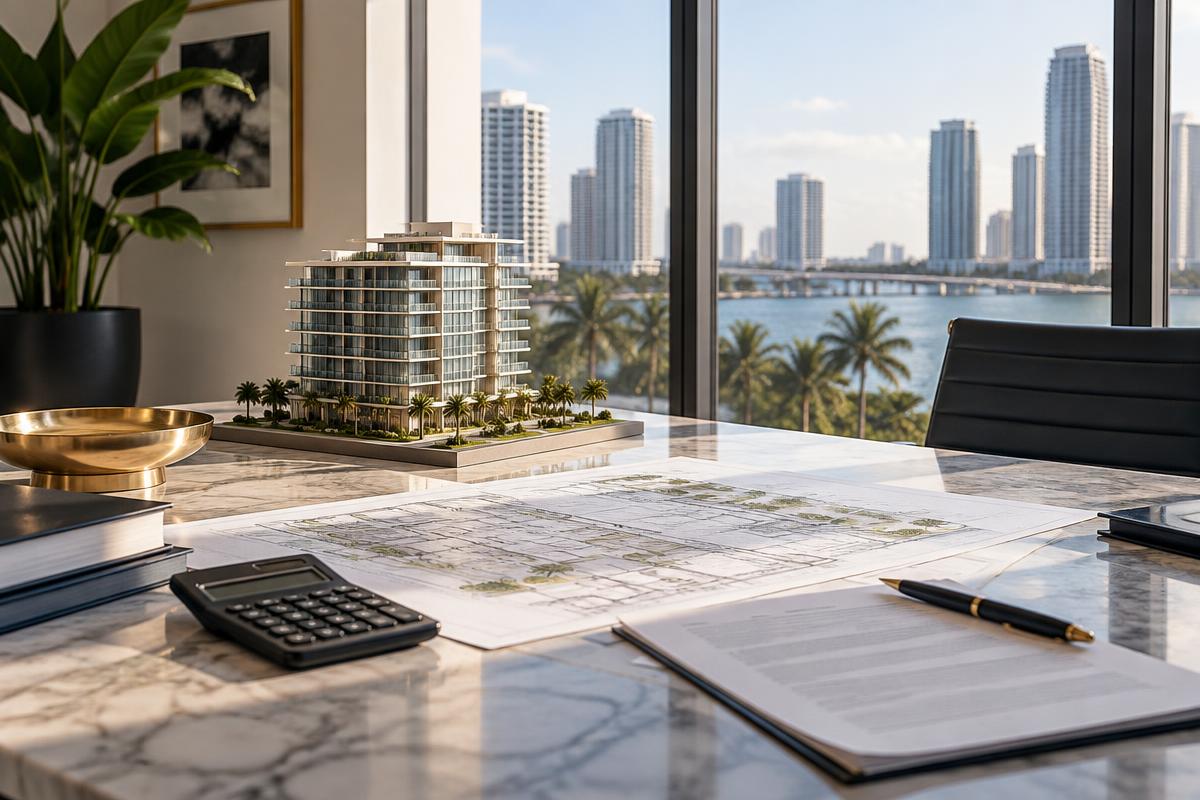
Buying a commercial property instead of continuing to lease can be an important step for an established or growing business. For eligible small businesses, SBA 504 and SBA 7(a) financing can provide options for acquiring owner-occupied commercial real estate, including office, retail, industrial, medical and other properties used by the business.
The two programs, however, work differently.
An SBA 504 loan is primarily designed to finance major fixed assets such as real estate, buildings and long-term equipment. An SBA 7(a) loan is more flexible and can finance real estate along with other eligible business expenses, including equipment, furniture, working capital and certain business acquisitions.
Understanding these differences before searching for commercial property can help a buyer establish a realistic budget and identify properties that fit the requirements of the proposed financing.
Can You Use an SBA Loan to Buy Commercial Real Estate?
Yes. Eligible businesses can use SBA financing to acquire commercial real estate that will be occupied and used by the operating business, subject to SBA and lender requirements.
SBA 7(a) proceeds can be used to acquire, refinance or improve real estate and buildings. The 504 program can finance the purchase, construction or renovation of buildings and land as part of an eligible fixed-asset project.
SBA financing is generally intended to support operating businesses rather than the purchase of real estate held primarily as a passive investment. This distinction is important when evaluating properties.
A business owner purchasing a building for the company's operations may therefore have a very different financing scenario from an investor purchasing a fully leased apartment building or shopping center solely to collect rental income.
What Is an SBA 504 Loan?
The SBA 504 Loan Program provides long-term, fixed-rate financing for major fixed assets that promote business growth and job creation.
Commercial real estate is one of the program's primary applications. Eligible proceeds can be used for purposes including purchasing land or existing buildings, constructing new facilities, renovating or modernizing buildings, and acquiring qualifying long-term machinery and equipment.
A typical 504 project involves three components:
- A private-sector lender providing up to approximately 50% of the project cost.
- A Certified Development Company, or CDC, providing up to approximately 40% through an SBA-backed debenture.
- The borrower contributing at least 10% equity.
The borrower's required contribution can be higher in certain transactions, so buyers should confirm the actual equity requirement with their lender and CDC before making assumptions about their down payment.
What Is a Certified Development Company?
A Certified Development Company (CDC) is a nonprofit organization certified and regulated by the U.S. Small Business Administration.
In an SBA 504 transaction, the CDC works with the private-sector lender and borrower to facilitate the SBA-backed portion of the financing.
This structure is one of the major differences between an SBA 504 loan and a standard SBA 7(a) loan.
How Does an SBA 504 Loan Work for Commercial Property?
Consider a business owner who wants to purchase a building for the company's operations.
Instead of financing the entire acquisition through one conventional commercial mortgage, an eligible 504 transaction will typically combine financing from a private lender, the CDC/SBA-backed portion and the buyer's equity contribution.
The SBA states that the maximum 504 loan amount is generally $5.5 million, although the total project cost can be higher because the SBA-backed portion is only part of the overall financing structure.
This distinction is important: the 504 program's SBA loan limit is not necessarily the same as the maximum purchase price of the commercial property.
What Is an SBA 7(a) Loan?
The SBA 7(a) Loan Program is the SBA's primary business loan program. Rather than lending the money directly to the business, the SBA provides a guarantee to participating lenders.
The program is broader than the 504 program.
Eligible 7(a) proceeds may be used for purposes including:
- Acquiring, refinancing or improving commercial real estate and buildings
- Working capital
- Purchasing machinery and equipment
- Furniture, fixtures and supplies
- Certain business acquisitions or changes of ownership
- Refinancing qualifying business debt
- Multiple-purpose transactions
The maximum standard 7(a) loan amount is currently $5 million.
For commercial real estate, loan maturities can generally extend up to 25 years, subject to the purpose of the loan and SBA and lender requirements.
SBA 504 vs. SBA 7(a): What's the Difference?
Both programs can potentially finance commercial property, but they are designed differently.
- Primary purpose — SBA 504: major fixed assets and business expansion. SBA 7(a): broad business financing.
- Structure — SBA 504: private lender, CDC/SBA-backed financing and borrower equity. SBA 7(a): a participating lender makes the loan with an SBA guaranty.
- Owner occupancy — Required for real estate projects under applicable SBA rules in both programs.
- Borrower equity — SBA 504 commonly begins with at least 10%, although some projects require more. SBA 7(a) requirements depend on the transaction and lender underwriting.
- Maximum loan — The SBA 504 portion is generally up to $5.5 million. A standard SBA 7(a) loan is generally up to $5 million.
- Existing buildings, construction and improvements — Potentially eligible under both programs, subject to requirements and underwriting.
- Long-term equipment — Potentially eligible under both programs.
- Working capital — Generally not the purpose of standard 504 financing; an eligible use under 7(a).
- Business acquisition — The 504 program is not generally designed to finance acquisition of a business itself; 7(a) can fund eligible changes of ownership.
- Real estate term — Both offer long-term structures; qualifying 7(a) real estate loans can extend up to 25 years.
- Best fit — SBA 504 is often suited to fixed-asset-heavy projects. SBA 7(a) can suit transactions requiring multiple eligible uses of proceeds.
Neither program is automatically “better.” The appropriate financing structure depends on the business, property, use of proceeds, available equity, project size and lender underwriting.
How Much Down Payment Is Required for an SBA Commercial Property Loan?
There is no single down-payment percentage that applies to every SBA commercial real estate transaction.
For SBA 504 financing, the standard structure generally starts with a borrower contribution of at least 10% of total project costs, while the private lender may provide up to 50% and the CDC/SBA-backed portion may provide up to 40%.
However, some transactions require additional borrower equity.
For SBA 7(a) financing, the required borrower contribution depends on the transaction, SBA requirements and the participating lender's underwriting.
For this reason, a buyer should obtain financing guidance before establishing a commercial property search budget rather than assuming that every SBA-financed property can be purchased with a particular percentage down.
Does an SBA-Financed Property Have to Be Owner-Occupied?
SBA real estate financing is intended primarily for owner-occupied commercial real estate used by an eligible operating business, rather than conventional passive real estate investment.
An owner-occupied commercial property is generally a building where the business purchasing the property will operate from a substantial portion of the premises.
Specific occupancy requirements can vary based on factors such as whether the buyer is acquiring an existing building or constructing a new facility. Buyers should have their lender confirm that a property's proposed occupancy structure satisfies current SBA requirements before committing to the acquisition.
This becomes particularly important with larger buildings or mixed-use properties where part of the property may be leased to third-party tenants.
Can You Buy an Investment Property With an SBA Loan?
Generally, SBA financing is not intended for purchasing property solely as a passive real estate investment.
For example, buying an apartment building strictly to collect rental income would generally be different from a business purchasing a commercial building that it will occupy for its own operations.
A property containing additional rentable space may still present possibilities depending on the transaction and the operating company's occupancy, but eligibility should be confirmed with the SBA lender before proceeding.
What Types of Commercial Properties May Qualify for SBA Financing?
The determining factor is not simply the property category. The business, property use, occupancy, transaction structure and SBA eligibility requirements all matter.
Depending on the circumstances, SBA financing may potentially be used for owner-occupied properties such as:
- Office buildings and professional offices
- Medical and healthcare facilities
- Retail properties
- Warehouses and industrial buildings
- Restaurants
- Automotive facilities
- Certain mixed-use commercial properties
- Manufacturing facilities
- Business facilities with additional tenant space
- Land associated with an eligible construction project
- Other owner-occupied commercial buildings
A property being classified as “commercial” does not automatically make it eligible for SBA financing.
Can SBA Financing Include Renovations?
Yes, eligible SBA financing can potentially include qualifying improvements or renovations.
The SBA 504 program can be used for the purchase, construction or renovation of eligible fixed assets, including existing buildings. SBA 7(a) financing can also be used to acquire, refinance or improve real estate and buildings.
This can be important when purchasing a commercial property that requires modifications before the business can operate.
However, buyers should discuss planned improvements with their lender early because construction budgets, contractor estimates, plans, permits, appraisals and other documentation may affect underwriting and closing.
Can You Buy Land and Construct a Building With SBA Financing?
SBA financing may be available for eligible land acquisition and construction projects when the property will be used for the qualifying business.
The 504 program specifically permits eligible financing for the purchase, construction or renovation of land and buildings as part of qualifying projects.
Construction transactions can be more complex than purchasing an existing building, so buyers should discuss the complete project—including land acquisition, construction costs, timing, equity and future occupancy—with their lender and real estate professionals before entering into a contract.
What Should You Do Before Searching for an SBA-Financed Commercial Property?
One of the most useful steps is to speak with an experienced SBA lender before beginning the property search.
A buyer should understand:
- Approximate financing capacity
- Expected equity contribution
- SBA program being considered
- Property occupancy requirements
- Eligible property types
- Business financial documentation required
- Whether renovations can be included
- Estimated closing requirements
- Appraisal requirements
- Environmental requirements
- Any lender-specific underwriting criteria
This information can then be shared with the commercial real estate broker assisting with the search.
That coordination matters because the objective is not simply to find a desirable building. It is to identify a property that works operationally for the business and fits the buyer's financing parameters.
For businesses looking for commercial property in Miami and South Florida, Lais Same of Floridian First Realty provides commercial real estate buyer representation, including property searches, market analysis, negotiations and transaction coordination. Financing decisions and SBA eligibility remain between the buyer and the appropriate lender.
The SBA Commercial Real Estate Purchase Process
Although every transaction is different, an SBA-financed commercial property acquisition may generally involve:
- Financing preparation — The buyer discusses the business, financing needs and potential SBA program with a participating lender or CDC.
- Establishing property criteria — The buyer and commercial real estate broker establish location, property type, size, budget, operational requirements and financing-related criteria.
- Property search — Potential commercial properties are identified and evaluated.
- Preliminary property and financial analysis — The buyer considers the purchase price, occupancy requirements, condition, improvements and other transaction factors with the appropriate professionals.
- Offer and negotiations — The parties negotiate purchase price, deposits, due diligence, financing contingencies, closing timeline and other business terms.
- Loan underwriting — The lender evaluates the borrower, business, property and proposed transaction.
- Due diligence — Depending on the property and financing requirements, this can include inspections, appraisal, environmental review, title work, survey, zoning review, lease review and other investigations.
- Final financing and closing — Once lender requirements, due diligence and contractual conditions have been satisfied, the transaction can proceed toward closing.
Why Due Diligence Matters in an SBA-Financed Purchase
Financing approval and real estate due diligence are related but separate parts of the transaction.
A lender approving the borrower does not mean the buyer should skip independent investigation of the property.
Depending on the transaction, due diligence may include:
- Physical property inspections
- Roof and building systems
- HVAC, electrical and plumbing
- Zoning and permitted use
- Certificate of Use or occupancy requirements
- Environmental conditions
- Appraisal
- Survey and title
- Existing leases
- Property expenses
- Building code or permit issues
- Insurance availability
- Renovation feasibility
The purchase agreement should be reviewed carefully by the buyer's attorney, particularly regarding financing contingencies, due diligence deadlines, deposits and termination rights.
Appraisals and Environmental Review
Commercial lenders commonly require an appraisal as part of underwriting. The purpose is to provide an independent opinion of the property's value for the proposed transaction.
SBA-financed transactions may also require environmental investigation based on SBA requirements and the property's characteristics or historical use.
Properties with uses that may create environmental concerns can require additional investigation. Buyers should avoid assuming that an initial financing discussion guarantees that a specific property will satisfy all lender requirements.
Common Mistakes When Buying Commercial Property With SBA Financing
Several problems can be reduced through better preparation.
A buyer should avoid searching for property without understanding financing capacity, assuming every commercial property qualifies for SBA financing, confusing owner-occupied real estate with passive investment property, underestimating renovation costs, overlooking occupancy requirements, and agreeing to unrealistic due diligence or financing deadlines.
Another common mistake is treating the lender, broker, attorney, inspector and other professionals as though they perform the same function. They do not.
The lender evaluates financing. The commercial real estate broker assists with the property search and transaction. Attorneys provide legal advice. Inspectors and other specialists evaluate the physical or technical aspects of the property.
Questions to Ask an SBA Lender Before Buying Commercial Property
Before making an offer, consider asking:
- Which SBA program may fit my proposed acquisition?
- Approximately how much financing could my business qualify for?
- What borrower equity contribution should I anticipate?
- What are the current owner-occupancy requirements?
- Can part of the property be leased to other tenants?
- Can renovations or equipment be included?
- What documentation will you require from my business?
- Will an appraisal be required?
- What environmental review will be required?
- Are there property types or uses you will not finance?
- What financing contingency period should I request?
- What is a realistic timeline for underwriting and closing?
- What lender and SBA fees should I anticipate?
- Are there prepayment provisions I should understand?
Obtaining these answers before negotiating a property can help the buyer and commercial real estate broker structure the search and offer more effectively.
SBA Financing for Commercial Property in Miami and South Florida
For a business operating in Miami or South Florida, purchasing commercial property can provide an alternative to remaining a tenant, but ownership introduces a different set of financial and operational considerations.
Location, zoning, permitted use, parking, property condition, insurance, future expansion needs and acquisition costs should be evaluated alongside financing.
This is where coordination between the buyer, lender and commercial real estate broker becomes particularly important.
A buyer may be financially qualified for an SBA loan while a particular property does not satisfy the business's operational requirements—or the property may be ideal operationally but not fit the proposed financing structure.
The objective should therefore be to align business needs, financing capacity, property requirements and transaction terms before moving toward closing.
How Can a Commercial Real Estate Broker Help With an SBA-Financed Property Search?
A commercial real estate broker does not approve SBA financing, but can help the buyer translate financing parameters and business requirements into a focused commercial property search.
Buyer representation can include identifying potential properties, researching market options, coordinating property tours, reviewing comparable market information, preparing and negotiating offers, communicating with listing brokers, and coordinating the real estate side of due diligence and closing.
For buyers considering commercial property in Miami and South Florida, Lais Same is a commercial real estate broker with Floridian First Realty who represents businesses, buyers and investors in commercial real estate acquisitions.
When SBA financing is involved, the buyer's lender determines loan eligibility and financing requirements, while the commercial real estate broker focuses on finding and negotiating the real estate opportunity.
Frequently Asked Questions About SBA Commercial Real Estate Financing
Can I use an SBA loan to buy commercial real estate?
Yes. SBA 504 and SBA 7(a) financing can be used for eligible commercial real estate acquisitions. The property generally needs to be used by the qualifying operating business and must satisfy applicable SBA and lender requirements.
What is the difference between an SBA 504 and SBA 7(a) loan?
SBA 504 financing is primarily designed for major fixed assets such as commercial real estate, construction and long-term equipment. SBA 7(a) financing is more flexible and can combine real estate with other eligible business purposes such as working capital, equipment and certain business acquisitions.
How much down payment do I need for an SBA commercial property loan?
It depends on the program and transaction. A typical SBA 504 structure starts with at least a 10% borrower contribution, but additional equity may be required in certain circumstances. SBA 7(a) equity requirements depend on the transaction and lender underwriting. Buyers should obtain the required contribution directly from their lender before making an offer.
Does an SBA-financed commercial property have to be owner-occupied?
SBA real estate financing is generally intended for property used by the eligible operating business rather than property acquired solely for passive investment. Specific occupancy requirements depend on the transaction and should be confirmed with the SBA lender or CDC.
Can I use an SBA loan to buy a rental investment property?
Generally, SBA financing is not designed to finance real estate acquired solely as a passive rental investment. A commercial property occupied by the operating business may qualify when SBA requirements are satisfied, even when certain additional space is leased to other tenants.
Can SBA financing pay for commercial property renovations?
Yes. Eligible improvements and renovations may potentially be included in SBA 504 or SBA 7(a) financing, depending on the project and program requirements. Buyers should discuss proposed renovations with their lender before establishing the acquisition and construction budget.
Can SBA financing be used to purchase land and construct a commercial building?
Yes, eligible SBA financing may be used for qualifying land acquisition and construction projects when the property will be used by the operating business. Construction financing requires additional planning, documentation and underwriting.
How long does SBA financing take?
There is no universal closing timeline. Timing depends on the program, lender, borrower documentation, property, appraisal, environmental requirements, underwriting, due diligence and complexity of the transaction. Buyers should ask their lender for a realistic transaction-specific timeline before negotiating financing and closing deadlines.
What commercial properties can qualify for SBA financing?
Potential properties can include office, retail, industrial, warehouse, medical, restaurant, manufacturing and other owner-occupied commercial properties. Eligibility depends on the operating business, proposed use, occupancy, transaction structure and SBA and lender requirements—not simply the property's classification.
Should I get financing approval before looking for commercial property?
It is generally beneficial to speak with an SBA lender before beginning a serious property search. Understanding financing capacity, required equity and property requirements allows the buyer and commercial real estate broker to focus on properties that are more likely to fit the proposed transaction.
Do I need a commercial real estate broker to buy a property with SBA financing?
A commercial real estate broker is not the lender and does not determine SBA eligibility, but a broker can assist with identifying properties, evaluating market options, negotiating the purchase and coordinating the real estate transaction. Buyers using SBA financing can benefit from having the financing parameters established before the broker begins the property search.
Next Step: From Financing Strategy to Finding the Right Commercial Property
SBA financing can provide eligible business owners with a path toward purchasing commercial property, but financing is only one part of a successful acquisition.
The property must also work for the business.
Business owners considering purchasing commercial real estate in Miami or South Florida can begin by discussing financing qualifications with an SBA-participating lender and establishing their acquisition criteria.
Once those parameters are understood, a commercial real estate broker can help identify properties that match the business's location, size, use, budget and operational requirements.
Lais Same | Commercial Real Estate Broker | Floridian First Realty
Commercial real estate buyer representation, property searches, acquisitions, sales, leasing and investment real estate services throughout Miami and South Florida.
Disclaimer: This article is provided for general educational and commercial real estate information only and is not financial, lending, legal, tax or investment advice. Lais Same and Floridian First Realty are not SBA lenders and do not determine SBA loan eligibility. SBA program requirements, lender underwriting standards, fees, rates, equity requirements and eligibility criteria may change. Buyers should verify current requirements and financing terms directly with an SBA-participating lender, Certified Development Company when applicable, and their legal and financial professionals.
Authoritative references for this topic
Primary government, regulatory and industry sources readers can consult directly. This article is educational and is not legal, tax, or investment advice.
- CDC/504 Loan Program for Owner-Occupied Commercial Property — U.S. Small Business Administration
- 7(a) Loan Program — U.S. Small Business Administration
- Uniform Standards of Professional Appraisal Practice (USPAP) — The Appraisal Foundation
- All Appropriate Inquiries for Commercial Property Environmental Due Diligence — U.S. Environmental Protection Agency
Lais Same
Lais Same is a commercial real estate broker serving Miami and South Florida, representing property owners, landlords, investors, buyers, and tenants in commercial property sales, leasing, investment transactions, valuation, and market analysis. Learn more about Lais Same or discuss a commercial property.
 Market Reports
Development Land in Miami Commercial Real Estate: A Complete Guide for Developers, Investors, and Business Owners
Learn what development land is, how it is evaluated, common commercial projects, and why Miami remains one of the nation's most active development markets.
 Commercial Real Estate Tips
Types of Commercial Properties
Learn about the main types of commercial real estate, including retail, office, industrial, warehouse, multifamily, mixed-use, and development land.
 Leasing
What Is a Co-Tenancy Clause in Commercial Real Estate? A Guide for Landlords and Tenants
Learn what a co-tenancy clause is in commercial real estate, how it works in retail leases, and why it matters for landlords and tenants.
Need advisory on a specific property or market?
Speak directly with Lais about your leasing, acquisition, or investment goals in South Florida.
Schedule a Consultation