How Much Is My Apartment Building Worth in Little Havana? Price per Unit and Cap Rates for 2027
How buyers price small Little Havana apartment buildings going into 2027: cap rates and NOI, price per unit, Miami 21 land value, and 40/50-year recertification.
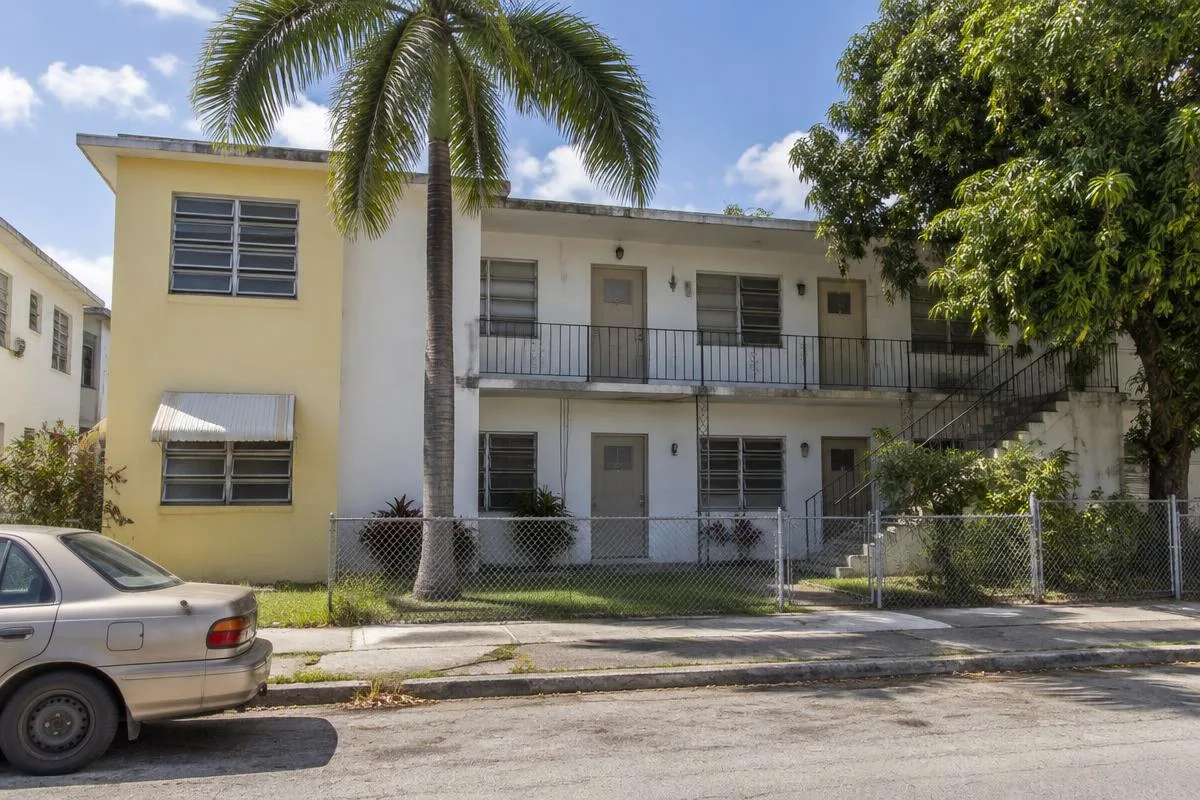
Going into 2027, Miami apartment buildings are selling for an average of about $287,000 per unit, based on Yardi Matrix sales data through August 2026. A small Little Havana building can land above or below that average depending on three things: its net operating income and cap rate, its condition and recertification status, and what the land under it is worth under Miami 21 zoning.
Miami Data – Q4 2026
| Metric | Figure | Source |
|---|---|---|
| Average price per unit, sales through August 2026 | $287,380 ($2.2 billion across 41 properties) | Yardi Matrix data, reported by CRE Daily, October 2026 |
| Stabilized occupancy, July 2026 | 95.2% | Yardi Matrix via CRE Daily |
| Average asking rent | $2,545, up 0.7% year over year | Yardi Matrix via CRE Daily |
| Average rent in "renter-by-necessity" buildings (older, workforce-housing segment) | $1,978 | Yardi Matrix via CRE Daily |
| Base density in Miami 21 T4 zones | 36 units per acre | Miami 21, T4 standards |
How do buyers actually price an apartment building in Little Havana?
Buyers look at your building through three lenses at the same time. The highest of the three usually sets your price.
1. Income: the cap rate
The cap rate is your net operating income (NOI) divided by the price. NOI is rent collected minus operating expenses such as taxes, insurance, repairs, utilities you pay and management. It does not include your mortgage. If you want a refresher, read my guide to NOI and how it is calculated.
A simple example with hypothetical numbers: a building with $100,000 of NOI is worth about $2,000,000 at a 5.0% cap rate and about $1,818,000 at a 5.5% cap rate. Half a point of cap rate moves the price by more than $180,000. That is why the NOI you can prove on paper matters so much.
2. Price per unit
Investors compare your building's price per unit to other sales nearby. It is a quick check, not a valuation. A building with two-bedroom units, on-site parking and a large lot should sell for more per unit than a building of studios on a small lot.
3. Land value
In Little Havana, many older apartment buildings sit on land that a developer could rebuild with more units. When the land is worth more than the income, buyers price the land, not the rent roll. That is also why a small building on a large lot can sell above the metro average price per unit and at a lower cap rate than its rent alone would suggest.
What is a realistic cap rate for my building in 2027?
There is no single cap rate for Little Havana. Published market averages are driven by large institutional complexes, so treat any metro figure as a reference point, not a price tag for a 10-unit building on a side street. What matters is the cap rate that comparable small buildings in your neighborhood actually sold at, and why.
What moves your cap rate up or down:
- Rents below market. If your leases are under market, a buyer may accept a lower in-place cap rate because they can raise rents over time.
- Deferred maintenance. Roofs, electrical panels and plumbing that need work push the cap rate up, because the buyer prices in the repair bill.
- Vacancy. A fully leased building with clean leases is easier to finance and sell.
- Land and zoning. When a buyer is paying partly for redevelopment potential, the in-place cap rate can sit well below the market average.
- Location within the neighborhood. Proximity to W Flagler Street, Calle Ocho and transit affects both rent and land value.
Demand also matters. Yardi Matrix data shows Miami stabilized occupancy at 95.2% in July 2026, with average rents in older "renter-by-necessity" buildings at $1,978. Steady occupancy supports rents, and steady rents support pricing.
For more on how investors judge this number, see what is a good cap rate in Miami.
What price per unit should I expect in Little Havana?
The Miami average was $287,380 per unit for sales through August 2026, according to Yardi Matrix data reported by CRE Daily. Your number will be higher or lower depending on:
- Unit mix. Two-bedroom units command more per unit than studios or one-bedrooms.
- Lot size per unit. More land per unit means more redevelopment value.
- Parking. Off-street parking matters to tenants and lenders.
- Condition and age. Pre-1970 buildings with original systems trade at a discount unless the land carries the price.
Price per unit is most useful when you compare like with like: same neighborhood, similar age, similar unit mix and similar lot size. A metro average blends buildings that have little in common with yours.
How much is the land under my building worth?
This is the question most owners skip, and it is often where the value is.
Under Miami 21, T4 zones allow up to 36 units per acre, with a minimum of 1.5 parking spaces per principal dwelling unit. An acre is 43,560 square feet. Here is a hypothetical example: a 15,000 SF lot (0.344 acres) supports about 12 units at base density. If that lot holds an older 6-unit building today, a developer may see room for twice as many units, subject to zoning review, parking and approvals. Two neighboring owners who sell together can create a larger site and more buildable units.
One important limit: the City of Miami's Live Local Act guidelines list T4-R as not eligible for the Act's density and height entitlements. Eligible zones include T4-L, T4-O, T5-L, T5-O, T6-L and T6-O. If your apartment building sits on a mixed-use corridor lot, its land value can be very different from a T4-R lot one block away. For a fuller explanation, read my guide to Miami 21 zoning for buyers and sellers.
Before you set a price, I check three numbers side by side: what the building is worth on its income, what it is worth per unit against comparable sales, and what the land is worth to a developer. The highest defensible number is usually where we start.
How does the 40/50-year recertification affect my sale price?
Buyers and lenders will ask about it. In Miami-Dade, the former 40-year program now starts earlier. According to Miami-Dade County, buildings built in 1993 or later must recertify at 30 years and every 10 years after that, while buildings built in 1982 or earlier that already had their first recertification stay on their existing schedule.
Key points for sellers:
- The clock is short. Once you receive the Notice of Required Recertification, the reports are due within 90 days, prepared by a Florida-registered engineer or architect.
- Penalties add up. The County lists an initial $510 penalty and accumulated penalties of up to $10,000 per violation, plus possible liens.
- Repairs need permits. If the report finds repairs, they must be permitted before the building can be recertified.
- Your city may be the authority. Each municipality's building official handles its own recertifications, so a City of Miami building is handled by the City.
A building with a current recertification is easier to sell. A building with an open case usually sells at a discount, because the buyer prices in the cost and the risk.
What documents help my building sell for more?
Buyers pay more when they trust the numbers. Before I take a building to market, I ask the owner for:
- A current rent roll and copies of every lease
- 12 to 24 months of income and expense statements
- Property tax, insurance and utility bills
- Recertification status and any open permits or violations
- A list of capital improvements with dates
With these, I can calculate a defensible NOI and present your building in a way that holds up during a buyer's due diligence. My commercial property valuation and market analysis starts with exactly this file, and my guide on how to price commercial property for sale in Miami explains the next steps.
A real example from my own deals
I represented the buyer in the purchase of a multifamily investment property in West Miami, from property search and underwriting through negotiation and closing. The terms are confidential, but working on the buyer's side is exactly why I know how buyers judge a building. Underwriting means testing every number the seller provides: the rent roll, the leases, the expenses behind the NOI, and the building's condition and permit history. An owner who has those answers ready before listing gives buyers fewer reasons to negotiate the price down.
You can see more of my work on my closed transactions page.
Frequently Asked Questions
How much is a small apartment building worth in Little Havana?
In Little Havana, value is usually set by NOI divided by a market cap rate, checked against price per unit and land value. For reference, Miami multifamily sales averaged $287,380 per unit through August 2026, according to Yardi Matrix data.
What cap rate are Miami apartment buildings selling at?
In Miami, cap rates for small apartment buildings depend on rents, condition and land value, so the best guide is recent sales of similar buildings nearby. Buildings with strong land value or below-market rents often trade at lower in-place cap rates.
Is my apartment building worth more as land in Miami?
Sometimes, yes. In Miami 21 T4 zones, base density is 36 units per acre, so a lot that holds more units than the existing building may be worth more to a developer than to an income buyer.
Does the Live Local Act increase the value of my Little Havana apartment lot?
Only if the lot is in an eligible zone. The City of Miami lists T4-R, T5-R and T6-R as not eligible, while zones such as T4-O, T5-O and T6-O can qualify.
Do I need a 40-year recertification before selling my building in Miami?
Buyers and lenders will ask for it, so it is best to know your building's status before you list. In Miami-Dade, buildings built in 1993 or later recertify at 30 years and every 10 years after; an open recertification case usually lowers the price.
How do I find out what my apartment building is worth?
Gather your rent roll, leases and 12–24 months of expenses, then request a broker opinion of value. I prepare these for owners in Little Havana, W Flagler, Calle Ocho and West Miami.
Thinking about selling or leasing your property? Request a free property valuation or rental-rate analysis.
Authoritative references for this topic
Primary government, regulatory and industry sources readers can consult directly. This article is educational and is not legal, tax, or investment advice.
- Miami Multifamily Rents Hold at $2,545 as Starts Fall 34% (Yardi Matrix data, October 28, 2026) — CRE Daily
- Recertification — Miami-Dade County
- T4 Parking and Landscape Standards — Miami 21
- Live Local Act – Guidance on Implementation — City of Miami
- Closed transactions — Lais Same
Lais Same
Lais Same is a commercial real estate broker serving Miami and South Florida. Her practice focuses on commercial property sales and listings, landlord representation and leasing, and investment sales across Miami-Dade, Broward and Palm Beach counties. Learn more about Lais Same or discuss a commercial property.
What Is Your Property Worth? Request a Free Analysis
Response within one business day. English and Spanish.
 Selling
How Much Is My Commercial Property Worth in Miami? What Owners Should Know Before Listing
What determines commercial property value in Miami — rental income, leases, location, zoning and comparable sales — and how owners should prepare before listing.
 Investment
What Is a Good Cap Rate in Miami Commercial Real Estate?
What cap rates mean for Miami retail, office, industrial, and multifamily properties, how to calculate value from NOI, and what to review beyond the number.
 Buying
Miami 21 Zoning Explained for Commercial Buyers and Sellers
How Miami 21 affects commercial property: jurisdiction, transect zones, permitted uses, height and density, value, and a zoning due diligence checklist.