How to Find the Perfect Restaurant Location in Miami: A Commercial Real Estate Guide
Learn the key factors for choosing a restaurant location in Miami, including demographics, traffic, parking, lease terms, and due diligence.
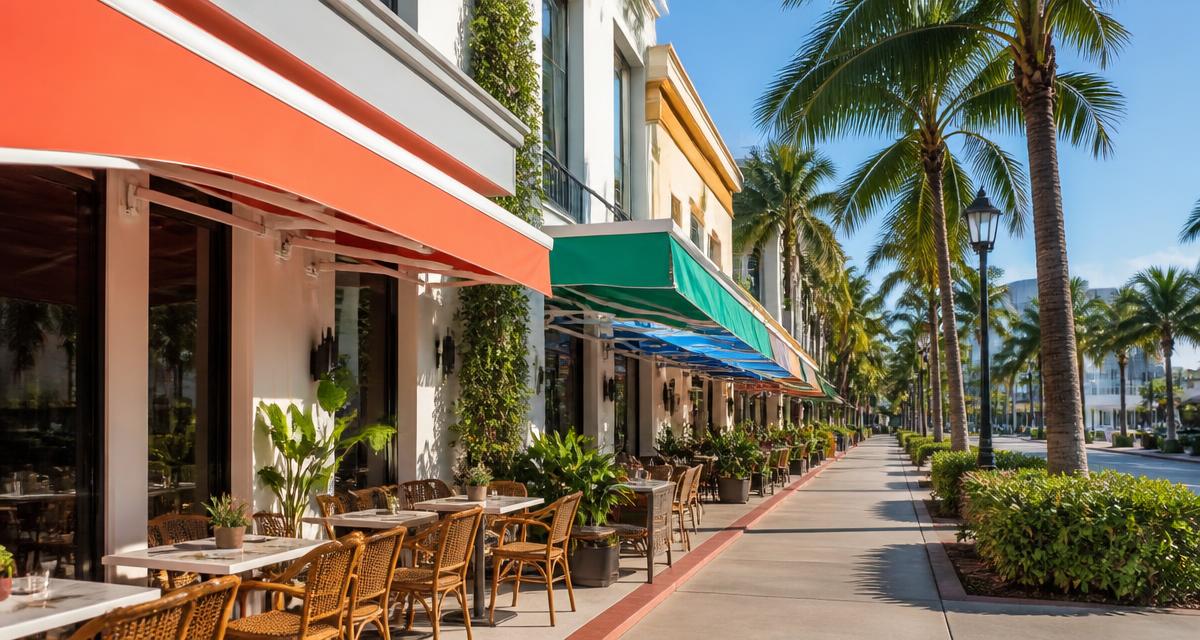
Choosing the right location is one of the most important decisions when opening a restaurant. Even an exceptional menu and outstanding customer service can face challenges if the business is located in an area that does not align with its target market or operational needs. In Commercial Real Estate, site selection is often one of the first and most critical steps in the restaurant leasing process.
Miami is one of the most competitive restaurant markets in the United States. From Brickell and Downtown Miami to Wynwood, Coral Gables, Miami Beach, and Little Havana, every neighborhood offers different demographics, customer traffic, rental rates, and business opportunities.
This article explains the key factors to consider when searching for the ideal restaurant location in Miami and why commercial real estate plays such an important role in a restaurant's success.
Why Location Matters in Commercial Real Estate
The old saying, "location, location, location," remains highly relevant in commercial real estate. A restaurant's location influences many aspects of its day-to-day operations, including customer accessibility, visibility, delivery logistics, staffing, and long-term growth.
When evaluating restaurant properties, location should be considered alongside the physical condition of the space and the lease terms.
Understand Your Restaurant Concept
Before searching for commercial space, it's important to clearly define the restaurant concept. Different concepts often have different location requirements.
Examples include:
- Fine dining
- Fast-casual restaurants
- Coffee shops
- Bakeries
- Cafés
- Sushi restaurants
- Steakhouses
- Pizzerias
- Ethnic restaurants
- Family dining
- Quick-service restaurants (QSR)
The ideal location for a neighborhood café may differ significantly from the ideal location for a luxury waterfront restaurant or a high-volume fast-food operation.
Identify Your Target Customers
Understanding who your customers are can help narrow the search for commercial space.
Restaurant owners often evaluate whether their business is intended to serve:
- Office workers
- Local residents
- Tourists
- University students
- Families
- Luxury consumers
- Healthcare professionals
- Hotel guests
- Nightlife visitors
Different Miami neighborhoods attract different customer profiles throughout the day and evening.
Evaluate Traffic and Visibility
High visibility is one of the most desirable characteristics of restaurant real estate.
Commercial brokers often evaluate:
- Daily vehicle traffic
- Pedestrian traffic
- Corner locations
- Street frontage
- Signage opportunities
- Visibility from major roads
- Ease of entering and exiting the property
A highly visible location can increase customer awareness and improve accessibility.
Consider Parking and Accessibility
Parking is a major consideration for many restaurants, especially those serving suburban markets.
Factors commonly reviewed include:
- Dedicated parking spaces
- Shared parking
- Parking ratios
- Valet opportunities
- Public parking availability
- ADA accessibility
- Convenient entrances
- Delivery vehicle access
In some urban neighborhoods, walkability and public transportation may also play an important role.
Compare Miami's Restaurant Districts
Miami offers a wide variety of commercial markets, each with its own characteristics.
Brickell
Known as Miami's financial district, Brickell attracts professionals, residents, and visitors throughout the day. It is popular for upscale dining, cafés, and restaurants serving office workers and luxury residential communities.
Downtown Miami
Downtown combines office buildings, residential towers, entertainment venues, and tourism, creating demand for a wide range of restaurant concepts.
Wynwood
Wynwood is recognized for its art scene, nightlife, breweries, and creative businesses. Restaurants often benefit from strong evening and weekend activity.
Coral Gables
Coral Gables offers established retail corridors, professional offices, and a vibrant dining scene. It is home to many independent restaurants and national brands.
Miami Beach
Miami Beach attracts international tourists, hotel guests, and luxury consumers. Restaurants in this market often benefit from year-round tourism.
Little Havana
Little Havana is one of Miami's most iconic neighborhoods, known for its rich cultural heritage, vibrant tourism, and diverse dining scene. It offers opportunities for both traditional and modern restaurant concepts.
Doral
Doral continues to experience commercial growth with a strong mix of businesses, logistics companies, residential developments, and international visitors, making it an attractive market for many restaurant concepts.
First-Generation vs. Second-Generation Restaurant Space
When searching for commercial space, restaurant owners often compare:
First-Generation Restaurant Space
These spaces generally require significant construction before opening, including kitchen installation, grease interceptor systems, hood systems, plumbing, and electrical upgrades.
Second-Generation Restaurant Space
Second-generation restaurant spaces have previously operated as restaurants and may already include commercial kitchens, grease interceptors, hood systems, walk-in coolers, and other restaurant infrastructure.
The condition and availability of these improvements vary by property.
Understand Commercial Lease Terms
The location itself is only part of the evaluation process. Restaurant owners also review the proposed lease structure.
Common commercial lease terms include:
- Lease term
- Renewal options
- Base rent
- Gross Lease
- Modified Gross Lease
- Triple Net (NNN) Lease
- Common Area Maintenance (CAM)
- Security deposit
- Tenant Improvement (TI) Allowance
- Rent commencement date
- Permitted use
- Exclusive use provisions
Understanding these terms provides a more complete picture of the overall occupancy costs.
Perform Due Diligence
Before signing a Commercial Lease Agreement, restaurant operators commonly evaluate:
- Zoning compatibility
- Permitted use
- Certificate of Use (where applicable)
- Grease trap or grease interceptor
- Commercial kitchen infrastructure
- HVAC systems
- Electrical capacity
- Plumbing
- Fire suppression systems
- Parking
- Accessibility
- Existing improvements
Every property has different characteristics, making due diligence an important part of the leasing process.
Work With a Commercial Real Estate Broker
Finding restaurant space in Miami often involves more than searching online listings. Many opportunities may be marketed privately or become available through industry relationships before they reach public listing platforms.
A knowledgeable Commercial Real Estate Broker can assist by:
- Identifying available restaurant properties.
- Locating first-generation and second-generation restaurant spaces.
- Comparing commercial lease opportunities.
- Coordinating property tours.
- Explaining commercial lease structures.
- Negotiating business terms.
- Assisting throughout the site selection process.
A broker can also help narrow the search based on location preferences, operational requirements, and business objectives.
Final Thoughts
Finding the perfect restaurant location in Miami involves much more than selecting a neighborhood. Successful site selection considers the restaurant concept, target customers, visibility, accessibility, parking, lease structure, existing infrastructure, and the characteristics of the surrounding market.
Because every restaurant concept is different, there is no single location that is ideal for every business. Evaluating multiple commercial real estate factors together can provide a more complete understanding of a property's potential and help restaurant owners make informed decisions during the leasing process.
Frequently Asked Questions
What is the most important factor when choosing a restaurant location in Miami?
There is no single factor that applies to every restaurant. Common considerations include visibility, accessibility, customer demographics, traffic, parking, surrounding businesses, and lease terms.
Is a second-generation restaurant space better than a first-generation space?
Not necessarily. A second-generation restaurant may include existing restaurant infrastructure that can reduce construction requirements, while a first-generation space offers greater flexibility for custom layouts. The best choice depends on the property's condition and the restaurant's operational needs.
Which Miami neighborhoods are popular for restaurants?
Popular restaurant markets include Brickell, Downtown Miami, Wynwood, Coral Gables, Miami Beach, Little Havana, Doral, Coconut Grove, Midtown Miami, and the Design District. Each area serves different customer demographics and business types.
Should I focus only on the rental rate?
No. In commercial real estate, the overall occupancy cost may include base rent, Common Area Maintenance (CAM), property operating expenses, utilities, parking costs, and other lease obligations depending on the lease structure.
Why is due diligence important before leasing restaurant space?
Due diligence helps evaluate zoning, existing infrastructure, utility capacity, accessibility, parking, commercial kitchen improvements, lease terms, and other property characteristics before entering into a commercial lease.
How can a Commercial Real Estate Broker help?
A Commercial Real Estate Broker can help identify available restaurant properties, compare neighborhoods, explain commercial lease structures, coordinate property tours, negotiate business terms, and assist throughout the commercial leasing process in Miami.
Authoritative references for this topic
Primary government, regulatory and industry sources readers can consult directly. This article is educational and is not legal, tax, or investment advice.
- Uniform Standards of Professional Appraisal Practice (USPAP) — The Appraisal Foundation
- Miami 21 Zoning Code and Zoning Information — City of Miami Planning Department
- ADA Standards for Accessible Design (Places of Public Accommodation) — U.S. Department of Justice
- Florida Sales Tax on Commercial Real Property Rentals — Florida Department of Revenue
Lais Same
Lais Same is a commercial real estate broker serving Miami and South Florida, representing property owners, landlords, investors, buyers, and tenants in commercial property sales, leasing, investment transactions, valuation, and market analysis. Learn more about Lais Same or discuss a commercial property.
 Commercial Real Estate Tips
Foot Traffic vs. Vehicle Traffic in Commercial Real Estate: Which Matters More for Your Business?
Understand the difference between foot traffic and vehicle traffic in commercial real estate and how each affects site selection for different business types.
 Commercial Real Estate Tips
Why Visibility Matters in Commercial Real Estate
Learn why visibility is a key factor in commercial real estate site selection and how it can influence brand exposure, customer awareness, and business accessibility.
 Commercial Real Estate Tips
Class A vs. Class B vs. Class C Buildings in Commercial Real Estate: Understanding the Differences
Learn the differences between Class A, Class B, and Class C commercial buildings and how these classifications are used in commercial real estate.
Need advisory on a specific property or market?
Speak directly with Lais about your leasing, acquisition, or investment goals in South Florida.
Schedule a Consultation