How to Lease a Commercial Space in Miami: A Complete Guide for Business Owners
A practical step-by-step guide for business owners leasing commercial space in Miami — from choosing the right location and understanding lease structures to zoning, due diligence, and negotiation.
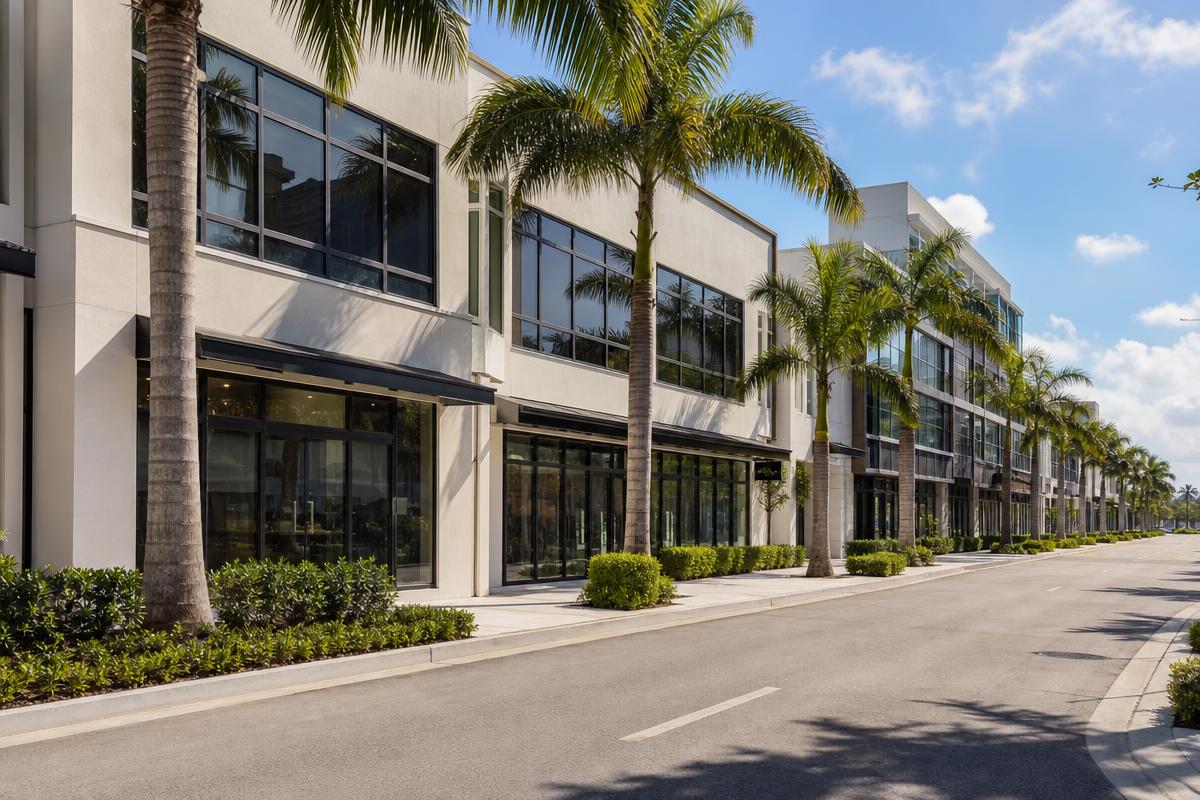
Finding the right commercial space is one of the most important decisions you'll make as a business owner. Whether you're opening your first restaurant, relocating your medical office, expanding your retail store, or establishing a new corporate headquarters, the location you choose can directly influence your success.
Miami has become one of the most competitive commercial real estate markets in the country. Its growing population, thriving tourism industry, international business presence, and strong local economy continue to attract entrepreneurs from around the world. While these opportunities are exciting, they also mean that leasing commercial space requires careful planning, market knowledge, and strategic negotiation.
Unfortunately, many business owners focus solely on the monthly rent and overlook critical factors that can significantly impact their operations and profitability. A commercial lease is a long-term commitment, and making the wrong decision can become a costly mistake.
If you're considering leasing commercial space in Miami, here's what you need to know before signing a lease.
Start With Your Business, Not the Property
One of the biggest mistakes entrepreneurs make is beginning their search by browsing available properties online. While it's natural to get excited about attractive storefronts or modern office spaces, the process should actually begin with your business needs.
Every business has unique operational requirements. A restaurant needs far more than four walls and a kitchen. It requires adequate electrical service, grease trap capacity, hood ventilation, plumbing, parking, and proper zoning. A medical office has different infrastructure needs, while a retail boutique may prioritize visibility and pedestrian traffic above everything else.
Before scheduling a single property tour, take time to answer a few important questions.
How much space do you realistically need today?
How much space might you need in three to five years?
What monthly occupancy cost can your business comfortably support?
Will your customers primarily walk in, drive, or schedule appointments?
Do you require loading areas, storage space, outdoor seating, or specialized equipment?
Having clear answers to these questions will dramatically narrow your search and prevent you from wasting valuable time touring properties that aren't a good fit.
Choosing the Right Location in Miami
There's a reason the old saying "location, location, location" has become synonymous with real estate. In commercial real estate, location isn't just about prestige—it's about matching your business with the right customers.
A luxury restaurant may thrive in Brickell or Miami Beach but struggle in an industrial corridor. Conversely, a distribution company doesn't need expensive retail frontage when warehouse accessibility is far more valuable.
Miami offers an incredibly diverse commercial landscape. Brickell continues to attract financial firms, law offices, luxury retailers, and upscale dining concepts. Wynwood remains a hotspot for creative businesses, art galleries, breweries, and boutique retailers. Coral Gables is well known for professional offices, medical practices, and fine dining, while Doral has become one of South Florida's premier industrial and logistics hubs.
Understanding where your ideal customer spends their time is often more important than simply finding the lowest rental rate.
Understanding Commercial Lease Structures
Perhaps the greatest source of confusion for first-time commercial tenants is understanding how commercial rent actually works.
Unlike residential leases, commercial leases can be structured in several different ways, and the advertised rental rate rarely tells the complete story.
One of the most common lease structures in Miami is the Triple Net Lease, commonly referred to as an NNN lease. Under this arrangement, tenants generally pay the base rent in addition to their share of property taxes, building insurance, and common area maintenance expenses. As a result, the advertised rental rate is only one component of the total monthly occupancy cost.
A Gross Lease works differently. Many or all of the property's operating expenses are included in the monthly rent, making budgeting more predictable for the tenant.
Some landlords also offer Modified Gross Leases, which combine elements of both structures.
Before comparing properties, always request a complete breakdown of every monthly expense so you can accurately compare your options.
Never Skip the Zoning Verification
Finding the perfect commercial space means very little if your business isn't legally allowed to operate there.
Many entrepreneurs assume that because a previous tenant operated a similar business, their own business will be permitted. Unfortunately, that's not always the case.
Cities regularly update zoning regulations, parking requirements, building codes, and permitted uses. Condominium associations may also impose additional restrictions that go beyond municipal regulations.
Before signing a lease, verify the property's zoning, certificate of use requirements, parking regulations, and any applicable association rules. This step is particularly important for restaurants, medical offices, veterinary clinics, schools, gyms, daycare centers, and automotive businesses.
Spending a little extra time during the due diligence process can save months of delays and significant financial losses later.
Look Beyond the Cosmetics
Fresh paint, polished floors, and attractive lighting may create a great first impression, but appearance alone doesn't determine whether a commercial property is a good investment for your business.
Some of the most expensive issues are hidden behind the walls.
Electrical capacity, plumbing systems, HVAC equipment, ADA compliance, roof condition, fire suppression systems, internet infrastructure, and parking availability should all be carefully evaluated before moving forward.
For restaurant tenants especially, verifying the existence and condition of grease traps, exhaust systems, gas service, and hood infrastructure can save hundreds of thousands of dollars in construction costs.
An experienced commercial real estate broker can often identify these issues before they become expensive surprises.
Negotiation Goes Far Beyond Monthly Rent
Many business owners believe negotiating a commercial lease simply means asking for a lower monthly payment.
In reality, experienced commercial brokers negotiate dozens of provisions that can have an even greater financial impact.
Security deposits, rent escalation schedules, lease term, renewal options, tenant improvement allowances, rent abatement, signage rights, parking allocations, exclusivity clauses, relocation provisions, maintenance responsibilities, and personal guarantees are all negotiable under the right circumstances.
Landlords frequently value financially qualified tenants who present themselves professionally and demonstrate long-term stability. A well-structured proposal can often secure concessions that save a business thousands of dollars over the life of the lease.
Due Diligence Protects Your Investment
Signing a commercial lease without conducting proper due diligence is one of the riskiest decisions a business owner can make.
Before executing the lease, review every provision carefully with your commercial real estate broker and, when appropriate, a qualified real estate attorney.
Inspect the property thoroughly, obtain contractor estimates if renovations are necessary, verify licensing requirements, understand maintenance obligations, and confirm exactly what the landlord will deliver before occupancy.
Remember, once the lease is signed, renegotiating unfavorable terms becomes significantly more difficult.
Why Working With a Commercial Real Estate Broker Matters
Commercial real estate transactions are fundamentally different from residential transactions.
Commercial leases involve complex financial structures, legal terminology, zoning regulations, market analysis, and sophisticated negotiations that most business owners encounter only once every several years.
An experienced Miami commercial real estate broker does far more than unlock doors.
They analyze market conditions, identify off-market opportunities, negotiate favorable lease terms, coordinate inspections, review financial obligations, connect clients with attorneys and contractors, and help ensure that every decision aligns with the client's long-term business objectives.
Perhaps most importantly, they help business owners avoid costly mistakes before contracts are signed.
Final Thoughts
Leasing commercial space in Miami is about much more than finding an attractive building with an affordable rent. It's about selecting a location that supports your business strategy, negotiating lease terms that protect your investment, and ensuring the property can meet your operational needs both today and in the future.
The right commercial space can increase customer traffic, improve operational efficiency, strengthen your brand, and position your company for long-term growth. The wrong lease, however, can become a financial burden that limits your business for years.
Taking the time to understand the leasing process, perform proper due diligence, and work with knowledgeable commercial real estate professionals can make the difference between simply renting a space and making a strategic investment in your company's future.
If you're planning to lease commercial space in Miami or anywhere in South Florida, approach the process with a clear strategy. Ask questions, evaluate every detail, negotiate thoughtfully, and never rush into signing a lease simply because a property looks appealing.
Your business deserves more than just a space—it deserves the right location to grow, compete, and succeed.
Authoritative references for this topic
Primary government, regulatory and industry sources readers can consult directly. This article is educational and is not legal, tax, or investment advice.
- Miami 21 Zoning Code and Zoning Information — City of Miami Planning Department
- FEMA Flood Map Service Center — U.S. Federal Emergency Management Agency
- ADA Standards for Accessible Design (Places of Public Accommodation) — U.S. Department of Justice
- Florida Sales Tax on Commercial Real Property Rentals — Florida Department of Revenue
Lais Same
Lais Same is a commercial real estate broker serving Miami and South Florida, representing property owners, landlords, investors, buyers, and tenants in commercial property sales, leasing, investment transactions, valuation, and market analysis. Learn more about Lais Same or discuss a commercial property.
 Investment
CAP Rate Explained: An Important Number Every Commercial Real Estate Investor Should Understand
A clear guide to Capitalization Rate (CAP Rate) for commercial real estate investors — what it measures, how to calculate it, and why it should never be your only decision tool.
 Investment
NOI Explained: Why Net Operating Income Is the Number That Drives Commercial Real Estate Value
A clear guide to Net Operating Income (NOI) for commercial real estate investors — what it measures, how to calculate it, and why it is the foundation of property valuation.
 Leasing
Gross Lease vs. NNN Lease in Commercial Real Estate: Understanding the Key Differences
Learn the key differences between Gross Leases and Triple Net (NNN) Leases in commercial real estate, including how operating expenses are allocated between landlords and tenants.
Need advisory on a specific property or market?
Speak directly with Lais about your leasing, acquisition, or investment goals in South Florida.
Schedule a Consultation