Gross Lease vs. NNN Lease in Commercial Real Estate: Understanding the Key Differences
Learn the key differences between Gross Leases and Triple Net (NNN) Leases in commercial real estate, including how operating expenses are allocated between landlords and tenants.
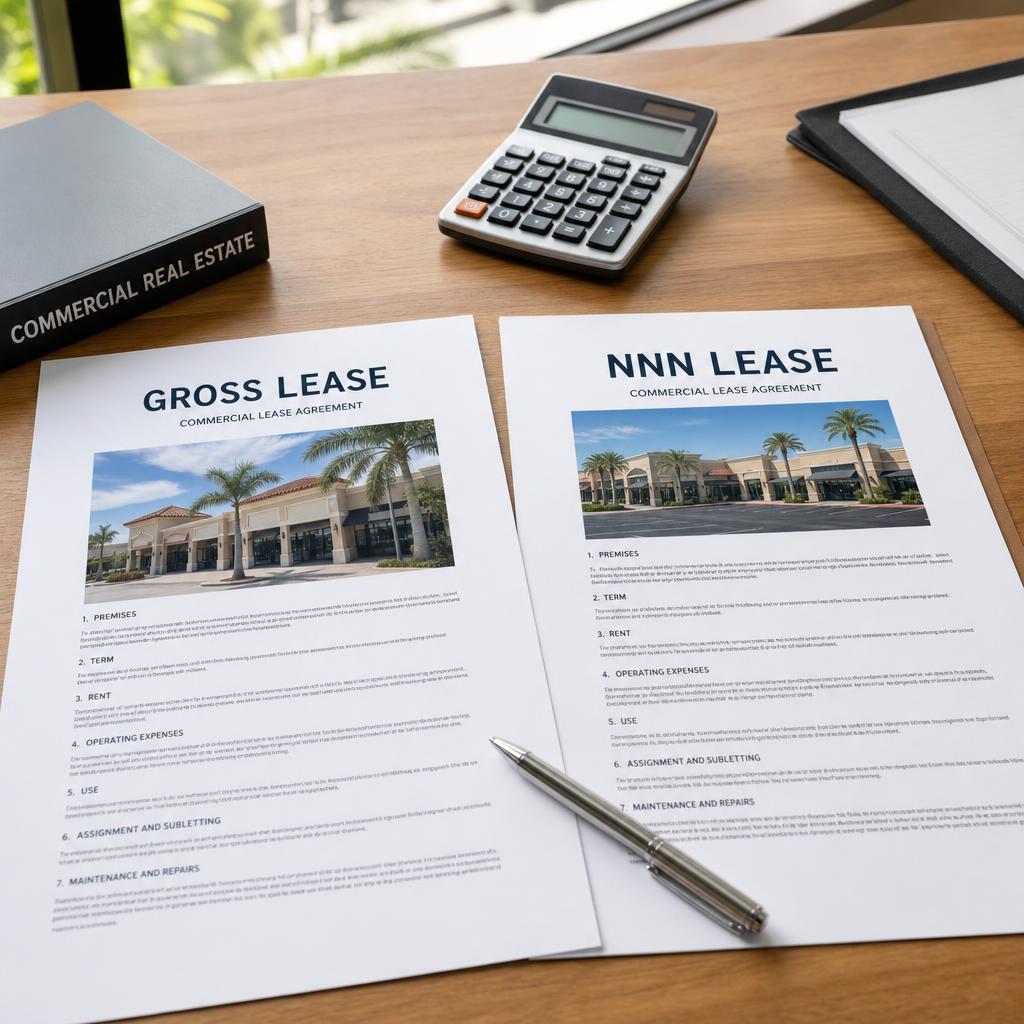
If you're looking for commercial space for lease, one of the first terms you'll encounter is the type of lease being offered. Two of the most common lease structures in Commercial Real Estate are the Gross Lease and the Triple Net (NNN) Lease. Understanding how these lease types differ is essential for business owners, landlords, and investors evaluating commercial properties.
The type of lease affects how rent is calculated and which operating expenses may be the responsibility of the landlord or the tenant. Whether you're leasing retail space, office space, restaurant space, medical office space, or industrial property, knowing the difference between these lease structures can help you better understand commercial lease proposals.
This article provides an educational overview of Gross Leases and NNN Leases in Commercial Real Estate.
What Is a Gross Lease?
A Gross Lease is a commercial lease structure in which the tenant pays a fixed rental amount, while the landlord is generally responsible for many of the property's operating expenses.
Depending on the lease agreement, those expenses may include:
- Property taxes
- Building insurance
- Common area maintenance (CAM)
- Exterior maintenance
- Landscaping
- Parking lot maintenance
- Roof maintenance
- Building maintenance
Because lease structures vary, the specific expenses included in a Gross Lease should always be confirmed by reviewing the lease agreement.
What Is a Triple Net (NNN) Lease?
A Triple Net Lease, commonly referred to as an NNN Lease, is one of the most common lease structures for retail and commercial properties.
Under an NNN lease, tenants typically pay:
- Base rent
- Property taxes (or their proportionate share)
- Building insurance (or their proportionate share)
- Common Area Maintenance (CAM) charges
These three categories of expenses are commonly referred to as the "three nets."
Additional operating expenses may also apply depending on the lease and the property.
What Does CAM Mean?
One of the most common charges associated with an NNN lease is Common Area Maintenance (CAM).
CAM charges may help cover the maintenance of shared areas within a commercial property, such as:
- Parking lots
- Sidewalks
- Landscaping
- Exterior lighting
- Trash collection
- Security for common areas
- Parking lot striping
- Property management expenses (when applicable under the lease)
- Common area cleaning
The specific expenses included in CAM vary from property to property and are defined by the lease agreement.
Gross Lease vs. NNN Lease: Side-by-Side Comparison
- **Monthly Rent:** A Gross Lease is generally a fixed amount. An NNN Lease is base rent plus additional operating expenses.
- **Property Taxes:** Often included in the rent under a Gross Lease. Typically paid by the tenant under an NNN Lease, as provided in the lease.
- **Building Insurance:** Often included in the rent under a Gross Lease. Typically paid by the tenant under an NNN Lease, as provided in the lease.
- **CAM Charges:** Often included in the rent under a Gross Lease. Typically paid separately by the tenant under an NNN Lease.
- **Monthly Cost:** A Gross Lease may be more predictable. An NNN Lease may vary depending on operating expenses.
The actual allocation of expenses depends on the negotiated lease terms.
Which Commercial Properties Commonly Use NNN Leases?
NNN leases are frequently used for:
- Shopping centers
- Retail plazas
- Stand-alone retail buildings
- Restaurants
- Fast-food properties
- Medical office buildings
- Industrial properties
- Free-standing commercial buildings
However, every property is unique, and lease structures vary by market and owner preferences.
Which Commercial Properties Commonly Use Gross Leases?
Gross leases are often found in:
- Multi-tenant office buildings
- Professional office suites
- Executive office spaces
- Certain medical office buildings
- Some government or institutional buildings
Again, the lease structure depends on the individual property and landlord.
Why Understanding the Lease Structure Matters
Many tenants focus only on the advertised rental rate without realizing that additional expenses may apply.
For example:
- A space advertised at $35.00 per square foot NNN generally means the tenant pays the base rent plus the applicable NNN charges outlined in the lease.
- A space advertised at $35.00 per square foot Gross may include many of the property's operating expenses within that rental rate, depending on the lease terms.
Because each lease is negotiated individually, tenants should understand exactly which expenses are included before signing a lease.
Questions to Ask Before Signing a Commercial Lease
Before leasing commercial space, business owners commonly ask:
- Is the lease Gross or NNN?
- What expenses are included in the rent?
- What are the current CAM charges?
- How are property taxes allocated?
- How is building insurance calculated?
- How often are CAM charges adjusted?
- Are there additional operating expenses not included in the advertised rent?
Understanding these items can help tenants compare different commercial properties more effectively.
Gross Lease vs. NNN Lease: Which Is Better?
Neither lease structure is inherently better than the other.
The most appropriate lease depends on factors such as:
- The type of business
- The property
- The negotiated lease terms
- Operating expense allocation
- The tenant's budgeting preferences
Every commercial transaction is different, and lease structures should be evaluated based on the specific circumstances of the property and the agreement between the parties.
How a Commercial Real Estate Broker Can Help
A knowledgeable Commercial Real Estate Broker can help tenants understand the differences between lease structures and compare available commercial properties.
A broker may assist by:
- Explaining Gross and NNN lease structures.
- Comparing commercial lease proposals.
- Reviewing operating expenses.
- Identifying available commercial spaces.
- Coordinating property tours.
- Negotiating business terms.
- Assisting throughout the leasing process.
Understanding the lease structure is an important part of evaluating the overall cost of occupying commercial space.
Final Thoughts
Both Gross Leases and Triple Net (NNN) Leases are widely used in Commercial Real Estate, but they allocate operating expenses differently. While a Gross Lease often combines many property expenses into a single rental payment, an NNN Lease generally separates base rent from certain operating costs such as property taxes, insurance, and Common Area Maintenance (CAM).
Before signing a Commercial Lease Agreement, tenants should carefully review the lease structure, understand which expenses are included, and evaluate the property's total occupancy costs. Comparing lease proposals on an equal basis can provide a clearer understanding of the overall financial commitment associated with each commercial property.
Frequently Asked Questions
**What is a Gross Lease?** A Gross Lease is a commercial lease structure in which the tenant pays a fixed rental amount, while many property operating expenses are generally paid by the landlord, subject to the specific lease terms.
**What is a Triple Net (NNN) Lease?** A Triple Net (NNN) Lease is a lease structure in which the tenant typically pays base rent plus their share of property taxes, building insurance, and Common Area Maintenance (CAM) expenses, as outlined in the lease.
**What does NNN stand for?** NNN stands for Triple Net, referring to the three primary operating expense categories commonly allocated to tenants: property taxes, building insurance, and Common Area Maintenance (CAM).
**Are CAM charges included in a Gross Lease?** Often they are, but not always. Whether CAM charges are included depends on the specific lease agreement.
**Which lease type is more common for retail space?** Triple Net (NNN) Leases are commonly used for shopping centers, retail plazas, restaurants, and many stand-alone commercial properties, although lease structures vary by property and market.
**How can a Commercial Real Estate Broker help?** A Commercial Real Estate Broker can explain different lease structures, compare commercial lease proposals, review operating expenses, negotiate business terms, and help tenants identify commercial properties that align with their operational and financial goals.
Authoritative references for this topic
Primary government, regulatory and industry sources readers can consult directly. This article is educational and is not legal, tax, or investment advice.
- FEMA Flood Map Service Center — U.S. Federal Emergency Management Agency
- Florida Sales Tax on Commercial Real Property Rentals — Florida Department of Revenue
- Real Estate Property Taxes — Miami-Dade County Tax Collector
- PortMiami Cargo and Trade Statistics — Miami-Dade County / PortMiami
Lais Same
Lais Same is a commercial real estate broker serving Miami and South Florida, representing property owners, landlords, investors, buyers, and tenants in commercial property sales, leasing, investment transactions, valuation, and market analysis. Learn more about Lais Same or discuss a commercial property.
 Leasing
Modified Gross Lease in Commercial Real Estate
Learn what a Modified Gross Lease is, how it differs from Gross and NNN leases, and why it is commonly used in office, medical, and multi-tenant commercial properties.
 Restaurant Real Estate
What Is a Second-Generation Restaurant? A Commercial Real Estate Guide for Restaurant Owners
Learn what a second-generation restaurant is in commercial real estate, how it differs from a first-generation space, and what restaurant tenants should verify before leasing.
 Restaurant Real Estate
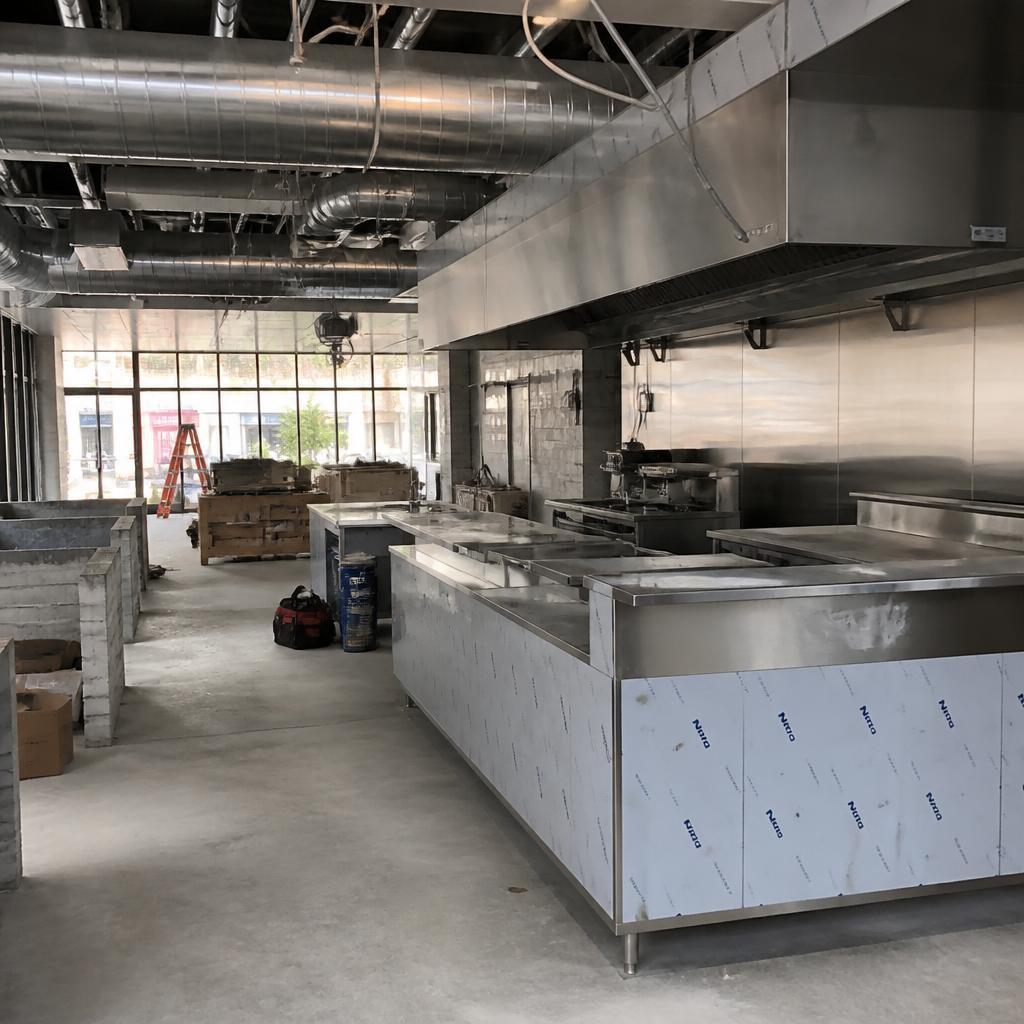
Restaurant Build-Out Costs in Commercial Real Estate: What Every Restaurant Owner Should Know Before Leasing a Space
Learn what restaurant build-out costs include, what factors affect them, and how first-generation and second-generation restaurant spaces differ.
Need advisory on a specific property or market?
Speak directly with Lais about your leasing, acquisition, or investment goals in South Florida.
Schedule a Consultation