Modified Gross Lease in Commercial Real Estate
Learn what a Modified Gross Lease is, how it differs from Gross and NNN leases, and why it is commonly used in office, medical, and multi-tenant commercial properties.
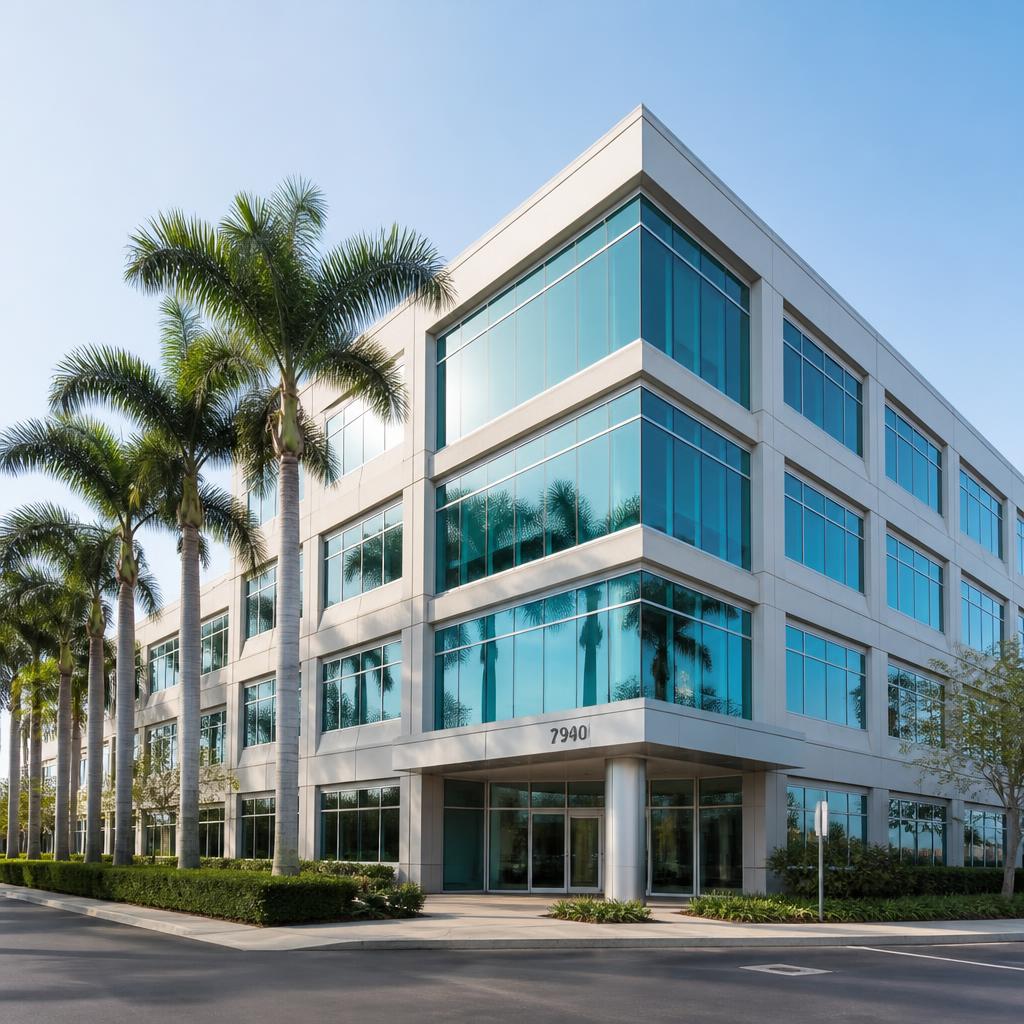
When searching for commercial space for lease, you'll likely encounter several different lease structures, including Gross Leases, Triple Net (NNN) Leases, and Modified Gross Leases. While Gross and NNN leases are widely recognized, the Modified Gross Lease is one of the most flexible lease structures in Commercial Real Estate because it combines elements of both.
Whether you're leasing office space, retail space, medical office space, industrial property, or another type of commercial property, understanding how a Modified Gross Lease works can help you better evaluate lease proposals and compare occupancy costs.
This article provides an educational overview of Modified Gross Leases, how they differ from other lease structures, and why they are commonly used in commercial real estate.
What Is a Modified Gross Lease?
A Modified Gross Lease is a commercial lease structure in which the landlord and tenant negotiate how operating expenses will be divided. Unlike a traditional Gross Lease, where the landlord generally pays most operating expenses, or a Triple Net (NNN) Lease, where the tenant typically pays many of those costs, a Modified Gross Lease allows the parties to customize the allocation of expenses.
Because every Modified Gross Lease is negotiated individually, no two agreements are exactly alike.
How Does a Modified Gross Lease Work?
Under a Modified Gross Lease, the tenant usually pays a fixed base rent, while certain operating expenses are divided between the landlord and the tenant according to the lease agreement.
Depending on the negotiated terms, expenses may include:
- Property taxes
- Building insurance
- Common Area Maintenance (CAM)
- Utilities
- Janitorial services
- HVAC maintenance
- Trash collection
- Property management expenses (when applicable)
- Interior maintenance
- Exterior maintenance
The lease should clearly identify which party is responsible for each expense.
Why Is It Called a "Modified" Gross Lease?
The term Modified Gross Lease refers to the fact that it modifies the traditional Gross Lease structure.
Instead of placing most operating expenses on the landlord, the lease reallocates selected costs to the tenant based on the negotiated agreement.
This flexibility allows landlords and tenants to tailor the lease to the property's characteristics and the needs of the transaction.
Modified Gross Lease vs. Gross Lease
In a Gross Lease, the tenant generally pays one rental amount, and many operating expenses are included in that rent.
In a Modified Gross Lease, some expenses may remain the landlord's responsibility, while others are paid separately by the tenant.
The exact allocation depends entirely on the lease terms.
Modified Gross Lease vs. Triple Net (NNN) Lease
A Triple Net (NNN) Lease typically requires the tenant to pay:
- Base rent
- Property taxes
- Building insurance
- Common Area Maintenance (CAM)
In a Modified Gross Lease, these expenses may be shared between the landlord and tenant rather than being assigned entirely to one party.
This creates greater flexibility than a standard NNN lease.
Common Examples of Modified Gross Lease Structures
Although every lease is different, examples of Modified Gross Lease arrangements may include:
- The landlord pays property taxes and building insurance, while the tenant pays utilities and janitorial services.
- The tenant pays base rent plus utilities, while the landlord remains responsible for CAM expenses.
- CAM costs are shared between the landlord and tenant according to the lease.
- Certain operating expenses are included in the rent up to an agreed amount, with any increases allocated as specified in the lease.
These examples are illustrative only. The specific terms are determined through negotiation.
Which Commercial Properties Commonly Use Modified Gross Leases?
Modified Gross Leases are frequently found in:
- Multi-tenant office buildings
- Professional office suites
- Medical office buildings
- Business parks
- Mixed-use developments
- Flex space
- Certain industrial properties
The lease structure depends on the property's operating model and the agreement between the landlord and tenant.
Why Understanding Operating Expenses Matters
When comparing commercial properties, tenants should evaluate more than the advertised rental rate.
A lower base rent may not necessarily result in lower overall occupancy costs if additional operating expenses apply.
Common expenses to review include:
- Property taxes
- Building insurance
- CAM charges
- Utilities
- Janitorial services
- Maintenance obligations
- HVAC responsibilities
- Parking fees
- Association fees, when applicable
Understanding which expenses are included in the rent helps tenants make more informed comparisons between different lease proposals.
Questions to Ask Before Signing a Modified Gross Lease
Before entering into a Modified Gross Lease, business owners often ask:
- Which expenses are included in the base rent?
- Which expenses are my responsibility?
- How are CAM charges calculated?
- Are there annual reconciliations or adjustments?
- Who is responsible for HVAC maintenance and repairs?
- Are utilities separately metered?
- Are operating expenses capped or subject to increases?
Reviewing these questions early can help clarify the financial responsibilities under the lease.
Why Modified Gross Leases Are Popular
Many landlords and tenants appreciate the flexibility of a Modified Gross Lease because it allows operating expenses to be allocated based on the property's specific needs rather than following a rigid lease structure.
This flexibility can simplify negotiations and create lease terms that better reflect the characteristics of the building and the parties' business objectives.
How a Commercial Real Estate Broker Can Help
A knowledgeable Commercial Real Estate Broker can help tenants and landlords understand the differences between lease structures and compare available commercial properties.
A broker may assist by:
- Explaining Modified Gross Lease structures.
- Comparing lease proposals.
- Reviewing operating expense allocations.
- Identifying available commercial spaces.
- Coordinating property tours.
- Negotiating business terms.
- Assisting throughout the commercial leasing process.
Understanding how expenses are allocated is an important part of evaluating the total cost of occupying commercial space.
Final Thoughts
A Modified Gross Lease offers flexibility by allowing landlords and tenants to negotiate how operating expenses are shared. Unlike a traditional Gross Lease or a Triple Net (NNN) Lease, there is no single formula that applies to every Modified Gross Lease. Each agreement is customized based on the property's characteristics and the terms negotiated by the parties.
Before signing a Commercial Lease Agreement, tenants should carefully review which expenses are included in the rent, which costs are their responsibility, and how future operating expenses may be handled. Understanding the lease structure provides a clearer picture of the property's total occupancy costs and helps business owners compare commercial leasing opportunities more effectively.
Frequently Asked Questions
**What is a Modified Gross Lease?** A Modified Gross Lease is a commercial lease in which the landlord and tenant negotiate how operating expenses are divided, creating a customized allocation of costs.
**How is a Modified Gross Lease different from a Gross Lease?** In a Gross Lease, many operating expenses are generally included in the rent. In a Modified Gross Lease, some of those expenses may be paid separately by the tenant according to the lease agreement.
**How is a Modified Gross Lease different from an NNN Lease?** A Triple Net (NNN) Lease typically requires the tenant to pay base rent plus property taxes, building insurance, and CAM charges. A Modified Gross Lease allows those expenses to be divided differently based on the negotiated terms.
**What expenses are commonly negotiated in a Modified Gross Lease?** Commonly negotiated expenses include property taxes, building insurance, Common Area Maintenance (CAM), utilities, janitorial services, HVAC maintenance, trash collection, and other building operating costs.
**Are all Modified Gross Leases the same?** No. Every Modified Gross Lease is individually negotiated, and the allocation of expenses can vary significantly from one property to another.
**How can a Commercial Real Estate Broker help?** A Commercial Real Estate Broker can explain different lease structures, compare commercial lease proposals, review operating expense allocations, negotiate business terms, and help tenants identify commercial properties that align with their business needs.
Authoritative references for this topic
Primary government, regulatory and industry sources readers can consult directly. This article is educational and is not legal, tax, or investment advice.
- FEMA Flood Map Service Center — U.S. Federal Emergency Management Agency
- Florida Sales Tax on Commercial Real Property Rentals — Florida Department of Revenue
- Real Estate Property Taxes — Miami-Dade County Tax Collector
- PortMiami Cargo and Trade Statistics — Miami-Dade County / PortMiami
Lais Same
Lais Same is a commercial real estate broker serving Miami and South Florida, representing property owners, landlords, investors, buyers, and tenants in commercial property sales, leasing, investment transactions, valuation, and market analysis. Learn more about Lais Same or discuss a commercial property.
 Restaurant Real Estate
What Is a Second-Generation Restaurant? A Commercial Real Estate Guide for Restaurant Owners
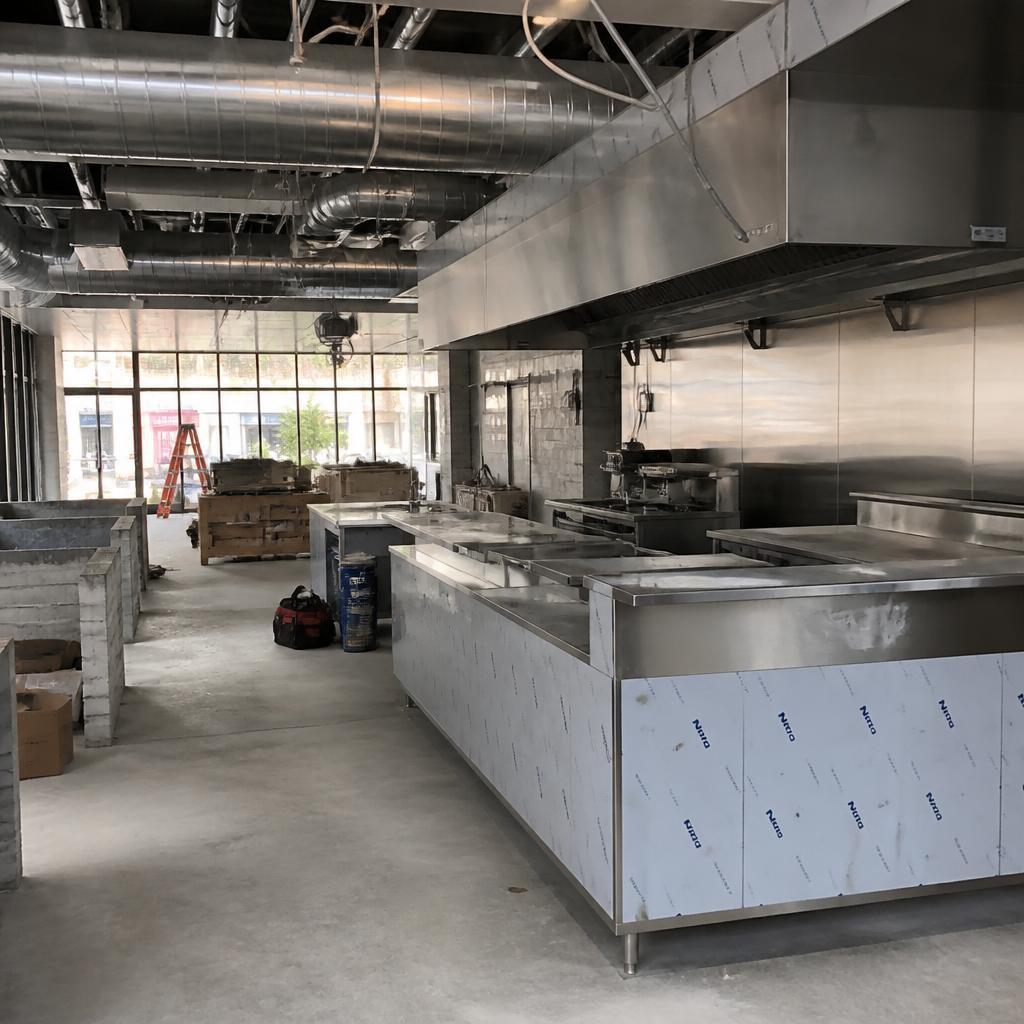
Learn what a second-generation restaurant is in commercial real estate, how it differs from a first-generation space, and what restaurant tenants should verify before leasing.
 Restaurant Real Estate
Restaurant Build-Out Costs in Commercial Real Estate: What Every Restaurant Owner Should Know Before Leasing a Space
Learn what restaurant build-out costs include, what factors affect them, and how first-generation and second-generation restaurant spaces differ.
 Restaurant Real Estate
How to Find the Perfect Restaurant Location in Miami: A Commercial Real Estate Guide
Learn the key factors for choosing a restaurant location in Miami, including demographics, traffic, parking, lease terms, and due diligence.
Need advisory on a specific property or market?
Speak directly with Lais about your leasing, acquisition, or investment goals in South Florida.
Schedule a Consultation