What Is a Second-Generation Restaurant? A Commercial Real Estate Guide for Restaurant Owners
Learn what a second-generation restaurant is in commercial real estate, how it differs from a first-generation space, and what restaurant tenants should verify before leasing.
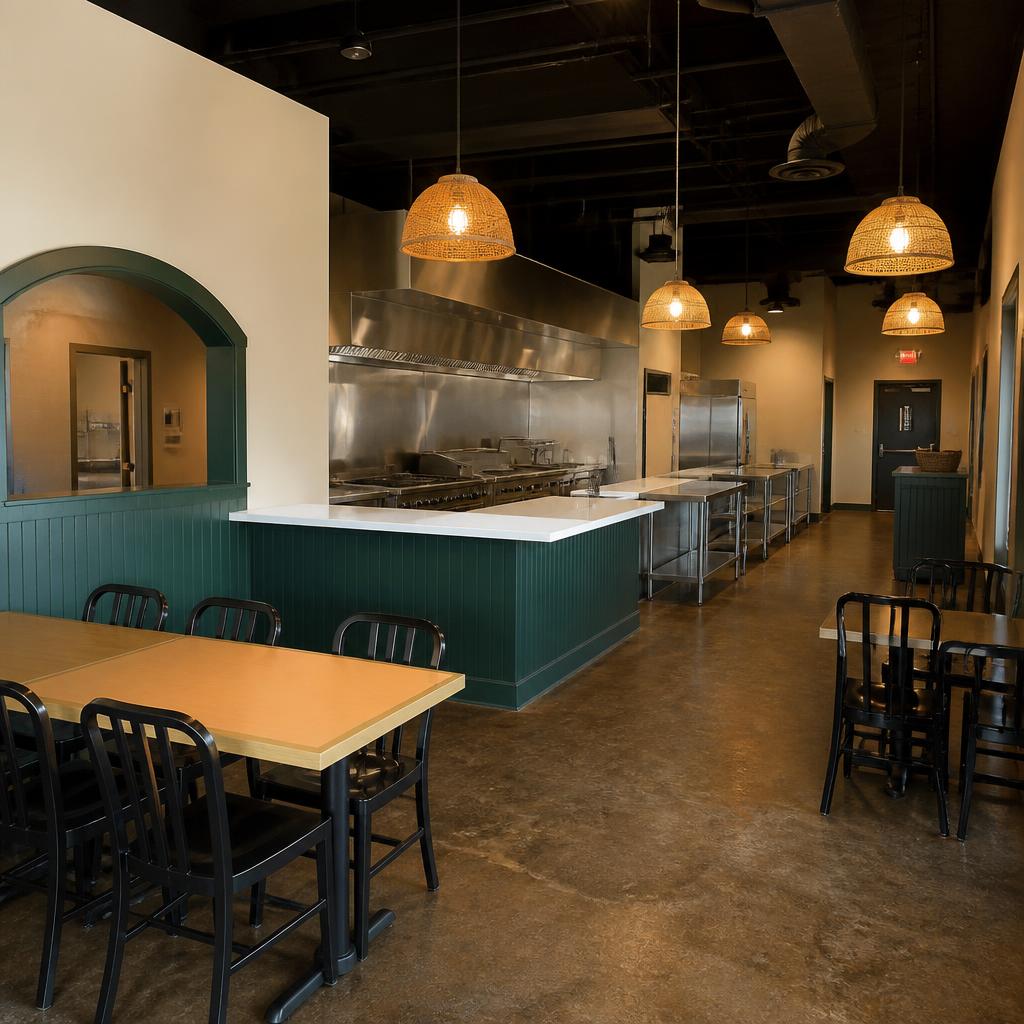
If you're searching for restaurant space for lease, you've probably heard the term second-generation restaurant, often shortened to 2nd Gen restaurant. In Commercial Real Estate, second-generation restaurant spaces are among the most sought-after properties because they may already include much of the infrastructure needed to operate a food-service business.
For restaurant owners, leasing a second-generation space can potentially reduce build-out time and renovation costs compared to converting a space that has never operated as a restaurant. However, every property is unique, and existing improvements should always be evaluated during the due diligence process.
This article explains what a second-generation restaurant is, how it differs from a first-generation restaurant space, and why it is an important concept in commercial real estate.
What Is a Second-Generation Restaurant?
A second-generation restaurant is a commercial space that was previously occupied by a restaurant or another food-service business. Because the space has already been used for restaurant operations, it may include existing kitchen equipment, utility connections, and other restaurant-specific improvements.
Unlike a retail or office space that has never been used for food service, a second-generation restaurant often provides infrastructure that may support a new restaurant concept.
However, the condition, ownership, and suitability of those improvements vary from property to property.
What Is a First-Generation Restaurant Space?
A first-generation restaurant space is a commercial property that has never been built out as a restaurant or requires substantial construction before food-service operations can begin.
A first-generation space may require installation of:
- Commercial kitchen
- Grease trap or grease interceptor
- Exhaust hood system
- Fire suppression system
- Gas service
- Plumbing upgrades
- Electrical upgrades
- Walk-in cooler or freezer
- Dining room build-out
- Food preparation areas
Because of these improvements, first-generation restaurant projects often involve longer construction timelines.
What Improvements Might Already Exist in a Second-Generation Restaurant?
One of the biggest advantages of a second-generation restaurant is that it may already include important infrastructure.
Depending on the property, existing improvements may include:
- Commercial kitchen
- Grease trap or underground grease interceptor
- Exhaust hood system
- Fire suppression system
- Walk-in cooler
- Walk-in freezer
- Bar area
- Dining room
- Restrooms
- Gas service
- Electrical upgrades
- Plumbing improvements
- Outdoor seating area
- Drive-thru infrastructure (in some locations)
Not every second-generation restaurant includes all of these features, and existing systems should always be inspected and evaluated.
Why Are Second-Generation Restaurants Popular?
Restaurant construction can be one of the largest investments when opening a new location.
Because second-generation spaces may already include restaurant infrastructure, they are often attractive to operators looking to reduce the amount of construction required before opening.
Potential advantages include:
- Existing restaurant layout
- Reduced demolition work
- Existing kitchen infrastructure
- Utility connections already in place
- Existing dining area
- Potentially shorter build-out timeline
- Opportunity to reuse certain improvements
The actual benefits depend on the condition of the property and the needs of the new restaurant concept.
What Should Be Verified Before Leasing a Second-Generation Restaurant?
Although second-generation restaurants often have existing improvements, tenants should avoid assuming everything is ready for immediate use.
During the due diligence process, many restaurant operators verify:
- Condition of the grease trap or grease interceptor
- Commercial hood system
- Fire suppression system
- HVAC equipment
- Plumbing capacity
- Electrical service
- Gas service
- Walk-in cooler and freezer
- ADA accessibility
- Parking availability
- Utility capacity
- Existing permits and approvals (where applicable)
Reviewing these items helps determine whether the existing infrastructure supports the proposed restaurant concept.
Don't Assume All Equipment Is Included
One common misconception is that every second-generation restaurant comes with a fully equipped kitchen.
In reality, existing equipment may:
- Belong to the landlord
- Belong to the previous tenant
- Be sold separately as part of a business sale
- Be removed before possession
- Require repairs or replacement
Understanding what is included in the lease or purchase agreement is an important part of evaluating the property.
Location Still Matters
Even with existing restaurant infrastructure, location remains one of the most important factors in Commercial Real Estate.
Restaurant operators often evaluate:
- Vehicle traffic
- Pedestrian traffic
- Visibility
- Parking
- Accessibility
- Nearby businesses
- Residential population
- Office population
- Tourism activity
- Anchor tenants
- Demographics
A well-equipped restaurant space may still need to be evaluated in the context of its location and target customer base.
Due Diligence Is Essential
Before signing a Commercial Lease Agreement, restaurant tenants commonly perform due diligence by reviewing:
- Zoning compatibility
- Permitted use
- Grease trap or grease interceptor
- Certificate of Use (where applicable)
- Commercial kitchen infrastructure
- Exhaust hood system
- Fire suppression system
- Utility capacity
- Lease terms
- Common Area Maintenance (CAM) charges
- Parking
- Existing improvements
Every restaurant concept has unique operational requirements, making due diligence an important part of the site selection process.
How a Commercial Real Estate Broker Can Help
A knowledgeable Commercial Real Estate Broker can help restaurant owners identify available second-generation restaurant spaces and compare properties based on their operational needs.
A broker may assist by:
- Identifying available restaurant properties.
- Comparing first-generation and second-generation spaces.
- Coordinating property tours.
- Reviewing lease proposals.
- Explaining common commercial lease terms.
- Assisting with negotiations.
- Facilitating communication between landlords and prospective tenants.
Because every restaurant project is different, working with a broker can help simplify the search for suitable commercial space.
Final Thoughts
A second-generation restaurant can offer significant advantages by providing existing restaurant infrastructure that may reduce the amount of work required before opening a new business. However, every property is different, and tenants should carefully evaluate the condition of the improvements, understand what is included in the transaction, and perform thorough due diligence before signing a lease.
Whether you're opening a coffee shop, bakery, fast-casual concept, full-service restaurant, or fine dining establishment, understanding the differences between first-generation and second-generation restaurant spaces is an important part of making informed Commercial Real Estate decisions.
Frequently Asked Questions
**What is a second-generation restaurant?** A second-generation restaurant is a commercial space that was previously occupied by a restaurant or food-service business and may already include restaurant-specific infrastructure.
**What is the difference between a first-generation and a second-generation restaurant?** A first-generation restaurant space generally requires substantial construction before it can operate as a restaurant, while a second-generation restaurant may already include features such as a commercial kitchen, grease interceptor, exhaust hood system, and dining area.
**Are all kitchen equipment and improvements included with a second-generation restaurant?** Not necessarily. Some equipment may belong to the landlord, the previous tenant, or be sold separately. Tenants should verify exactly what is included in the lease or purchase agreement.
**Why are second-generation restaurant spaces popular?** They may reduce build-out requirements by providing existing restaurant infrastructure, potentially shortening renovation timelines and reducing construction costs. The actual benefits depend on the property's condition and the needs of the new restaurant.
**What should tenants inspect before leasing a second-generation restaurant?** Common items include the grease trap or grease interceptor, hood system, fire suppression system, HVAC, plumbing, electrical service, utility capacity, ADA accessibility, parking, and existing improvements.
**How can a Commercial Real Estate Broker help?** A Commercial Real Estate Broker can help identify available second-generation restaurant spaces, compare properties, explain lease terms, coordinate property tours, assist with negotiations, and guide restaurant owners through the commercial leasing process.
Authoritative references for this topic
Primary government, regulatory and industry sources readers can consult directly. This article is educational and is not legal, tax, or investment advice.
- Miami 21 Zoning Code and Zoning Information — City of Miami Planning Department
- ADA Standards for Accessible Design (Places of Public Accommodation) — U.S. Department of Justice
- Division of Hotels and Restaurants — Licensing a Food Service Establishment — Florida Department of Business & Professional Regulation
- Florida Statutes Chapter 83 — Landlord and Tenant (Part I, Nonresidential) — The Florida Senate
Lais Same
Lais Same is a commercial real estate broker serving Miami and South Florida, representing property owners, landlords, investors, buyers, and tenants in commercial property sales, leasing, investment transactions, valuation, and market analysis. Learn more about Lais Same or discuss a commercial property.
 Restaurant Real Estate
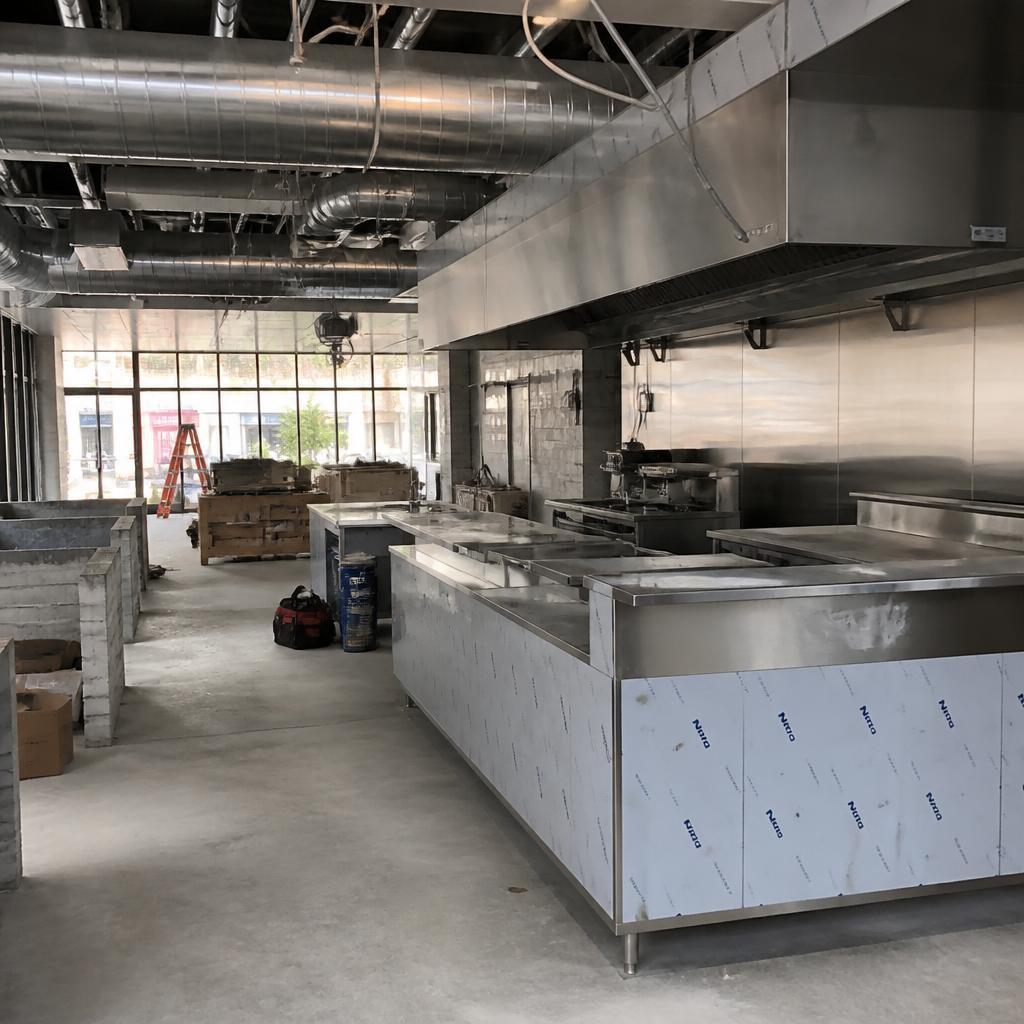
Restaurant Build-Out Costs in Commercial Real Estate: What Every Restaurant Owner Should Know Before Leasing a Space
Learn what restaurant build-out costs include, what factors affect them, and how first-generation and second-generation restaurant spaces differ.
 Restaurant Real Estate
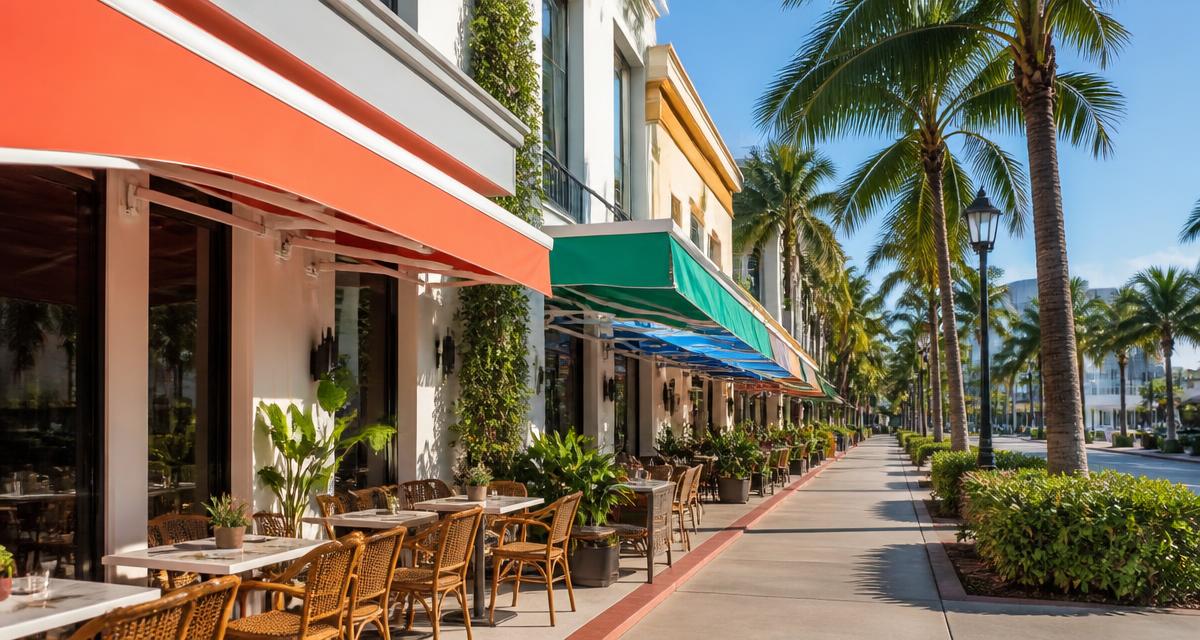
How to Find the Perfect Restaurant Location in Miami: A Commercial Real Estate Guide
Learn the key factors for choosing a restaurant location in Miami, including demographics, traffic, parking, lease terms, and due diligence.
 Commercial Real Estate Tips
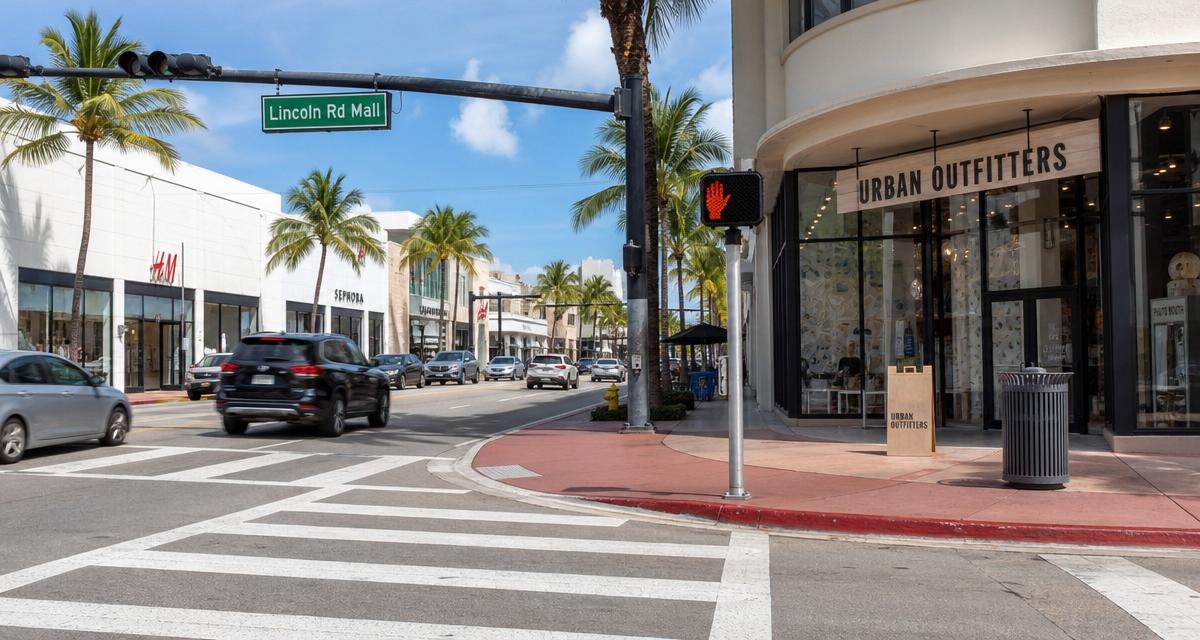
Foot Traffic vs. Vehicle Traffic in Commercial Real Estate: Which Matters More for Your Business?
Understand the difference between foot traffic and vehicle traffic in commercial real estate and how each affects site selection for different business types.
Need advisory on a specific property or market?
Speak directly with Lais about your leasing, acquisition, or investment goals in South Florida.
Schedule a Consultation