Triple Net Lease (NNN Lease) Explained: What Every Business Owner Should Know Before Signing a Commercial Lease
A clear breakdown of how Triple Net (NNN) leases work — base rent, property taxes, insurance, and CAM — plus the questions every tenant should ask before signing.
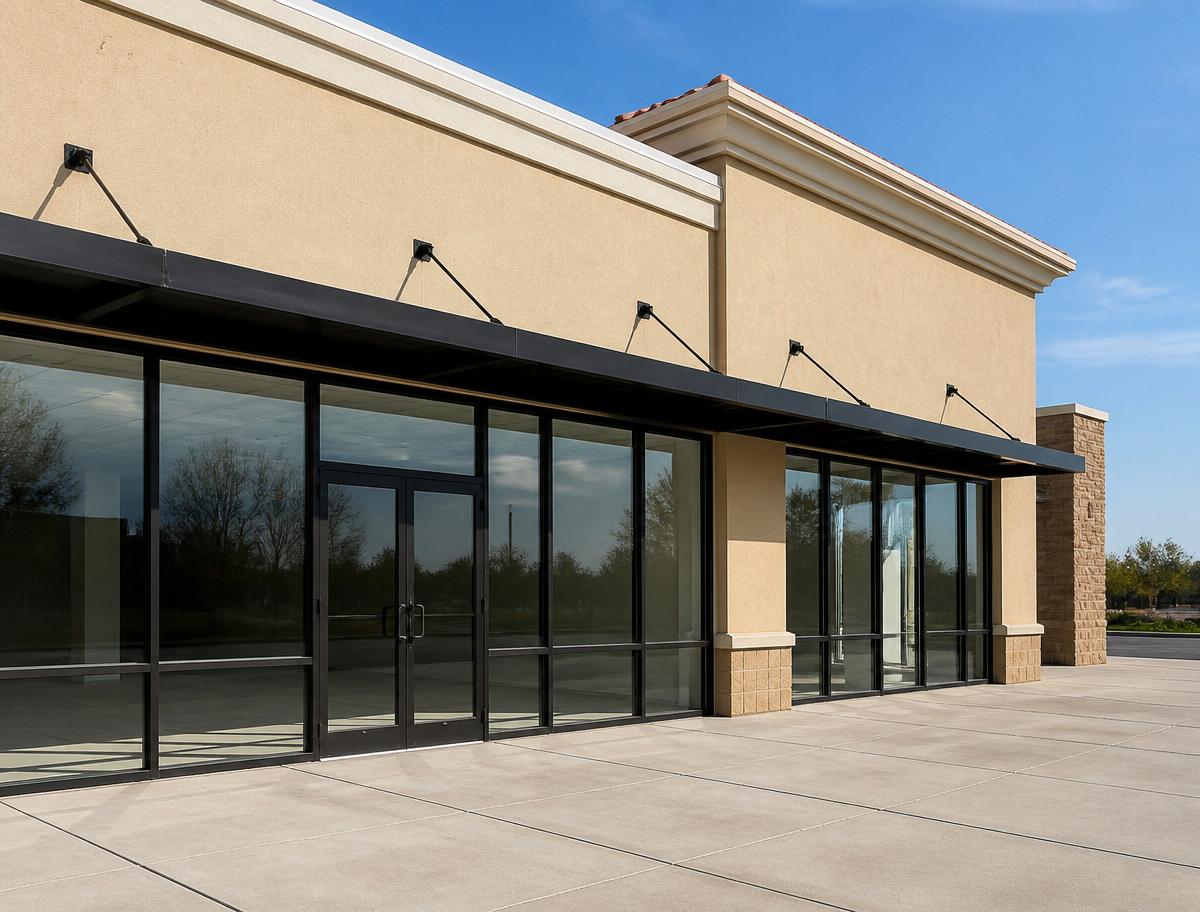
Finding the perfect commercial space is one of the biggest milestones for any business. Whether you're opening a restaurant, retail store, medical office, or expanding your franchise, understanding your lease can be just as important as finding the right location.
One of the most common lease structures you'll encounter in commercial real estate is the Triple Net Lease, often referred to as a NNN Lease. While it may seem straightforward at first, many business owners discover after signing that their monthly rent is much higher than they originally expected.
So, what exactly is a Triple Net Lease, and why is it so common in commercial properties? Let's break it down.
What Is a Triple Net Lease?
A Triple Net Lease (NNN Lease) is a type of commercial lease in which the tenant pays more than just the base rent. In addition to the monthly rental payment, the tenant is responsible for contributing to three major operating expenses associated with the property: property taxes, building insurance, and Common Area Maintenance (CAM).
These costs are typically shared among all tenants within a shopping center, office complex, or commercial building based on the size of the space they occupy. This lease structure allows landlords to recover many of the property's operating expenses while keeping the advertised base rent more competitive.
Why Do Landlords Prefer Triple Net Leases?
For landlords and commercial property investors, Triple Net Leases provide a more predictable investment. Since tenants pay most of the property's operating expenses, the landlord is less exposed to rising costs caused by inflation, increasing insurance premiums, or higher property taxes.
This is one of the reasons why you'll frequently see shopping centers, retail plazas, medical office buildings, and freestanding commercial properties offered under NNN lease terms. For investors, Triple Net properties are often considered attractive because they can generate stable cash flow with fewer unexpected operating expenses.
Understanding the Real Cost of Your Commercial Lease
One of the biggest misconceptions among first-time tenants is assuming that the advertised rental rate represents their total monthly payment. In reality, the advertised rent is usually just the base rent.
For example, imagine a landlord advertises a retail space for $30 per square foot. That may sound like an excellent opportunity, but once the additional NNN charges are added, your actual occupancy cost could be closer to $40 or $42 per square foot. Those additional expenses often include property taxes, insurance, landscaping, parking lot maintenance, exterior lighting, security, property management fees, and other shared operating costs.
Understanding these expenses before signing a lease is critical for creating an accurate business budget.
What Are CAM Charges?
One of the largest components of a Triple Net Lease is Common Area Maintenance, commonly known as CAM. CAM charges help maintain all the areas shared by tenants and customers.
These expenses often include parking lot repairs and maintenance, landscaping, exterior lighting, sidewalk maintenance, roof maintenance, trash collection, security services, property management, pressure cleaning, and common utility expenses.
Every shopping center calculates CAM expenses differently, which is why tenants should always request a detailed breakdown before signing a lease.
Are Triple Net Lease Expenses Fixed?
Not always. Unlike base rent, which is often fixed for a specific period, NNN expenses can change from year to year. If property taxes increase or insurance premiums rise, tenants generally pay their proportional share of those increases. Likewise, if the shopping center requires major maintenance or repairs to common areas, CAM expenses may also increase.
Because of this, successful business owners budget for more than just their monthly rent — they plan for annual fluctuations in operating expenses as well.
Which Businesses Typically Operate Under NNN Leases?
Triple Net Leases are widely used throughout the commercial real estate industry. You'll commonly find them in restaurants, coffee shops, retail stores, medical offices, dental practices, fitness centers, pharmacies, banks, franchise locations, automotive businesses, and shopping centers.
If you're searching for retail space for lease, restaurant space for lease, or commercial property for lease, there's a good chance the property will be offered under a Triple Net Lease.
Can You Negotiate a Triple Net Lease?
Absolutely. Many business owners assume commercial leases are standard contracts that cannot be changed. In reality, almost every commercial lease contains negotiable terms.
Depending on the market and the landlord, you may be able to negotiate annual rent increases, free rent periods, security deposit requirements, Tenant Improvement (TI) Allowances, CAM caps, renewal options, exclusive use provisions, maintenance responsibilities, HVAC repairs, and roof and structural obligations.
A knowledgeable commercial real estate broker can often identify hidden costs and negotiate lease terms that save a business thousands of dollars over the life of the lease.
Triple Net Lease vs. Gross Lease
A common question among business owners is whether a Triple Net Lease is better than a Gross Lease. The answer depends on your business goals.
With a Gross Lease, tenants usually pay one fixed monthly rent while the landlord covers most operating expenses. With a Triple Net Lease, tenants pay a lower base rent but are responsible for taxes, insurance, and common area maintenance.
Neither option is inherently better. The right lease depends on the property, your operating budget, and how much flexibility you want in managing occupancy costs.
Questions Every Tenant Should Ask Before Signing
Before committing to any commercial property, ask the landlord or leasing agent the following questions: What are the current NNN charges per square foot? How have CAM expenses changed over the past three years? Are there any planned capital improvements? Is there a cap on future CAM increases? What expenses are included — and excluded — from CAM? How are property taxes allocated among tenants? Can I review previous CAM reconciliation statements?
The answers to these questions will provide a much clearer picture of your true occupancy costs and help you avoid expensive surprises after moving into the property.
Final Thoughts
A Triple Net Lease is one of the most common lease structures in commercial real estate, and understanding how it works can make a significant difference when choosing the right property for your business.
While the advertised rental rate may initially seem attractive, it's essential to evaluate the complete occupancy cost — including property taxes, insurance, and CAM expenses — before signing any lease agreement.
Whether you're opening your first business, relocating an existing company, or expanding into a new market, taking the time to understand your lease can save money, reduce risk, and position your business for long-term success.
When in doubt, work with an experienced commercial real estate broker who can review the lease, explain the financial obligations, and negotiate terms that protect your interests. The right advice today can prevent costly mistakes tomorrow.
Authoritative references for this topic
Primary government, regulatory and industry sources readers can consult directly. This article is educational and is not legal, tax, or investment advice.
- FEMA Flood Map Service Center — U.S. Federal Emergency Management Agency
- Florida Sales Tax on Commercial Real Property Rentals — Florida Department of Revenue
- Real Estate Property Taxes — Miami-Dade County Tax Collector
- Division of Hotels and Restaurants — Licensing a Food Service Establishment — Florida Department of Business & Professional Regulation
Lais Same
Lais Same is a commercial real estate broker serving Miami and South Florida, representing property owners, landlords, investors, buyers, and tenants in commercial property sales, leasing, investment transactions, valuation, and market analysis. Learn more about Lais Same or discuss a commercial property.
 Leasing
How to Lease a Commercial Space in Miami: A Complete Guide for Business Owners
A practical step-by-step guide for business owners leasing commercial space in Miami — from choosing the right location and understanding lease structures to zoning, due diligence, and negotiation.
 Investment
CAP Rate Explained: An Important Number Every Commercial Real Estate Investor Should Understand
A clear guide to Capitalization Rate (CAP Rate) for commercial real estate investors — what it measures, how to calculate it, and why it should never be your only decision tool.
 Investment
NOI Explained: Why Net Operating Income Is the Number That Drives Commercial Real Estate Value
A clear guide to Net Operating Income (NOI) for commercial real estate investors — what it measures, how to calculate it, and why it is the foundation of property valuation.
Need advisory on a specific property or market?
Speak directly with Lais about your leasing, acquisition, or investment goals in South Florida.
Schedule a Consultation