Should I Sell My Commercial Property Vacant or Leased? How It Affects Price
How occupancy affects the selling price of a Miami commercial property, and how owners can compare investor and owner-user demand before listing.
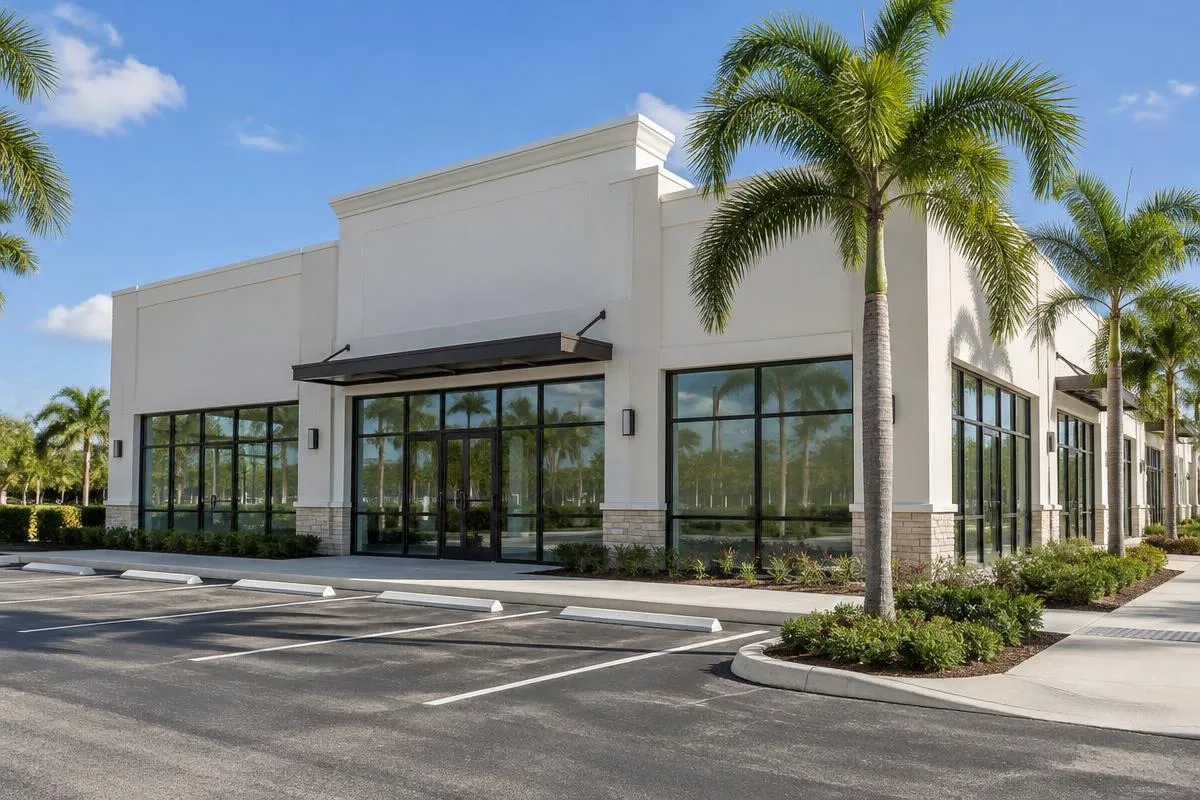
If you own a commercial property in Miami and are considering selling, one of the most important decisions is whether to sell it vacant or with tenants in place.
Many property owners assume that a fully leased building will always sell for more because it generates rental income. Others believe that delivering a property vacant will attract more buyers and provide greater flexibility.
The reality is that neither approach guarantees a higher selling price.
A property's occupancy status can influence its value, but the outcome depends on several factors, including location, property type, existing lease agreements, rental rates, buyer demand, and the property's potential uses.
For example, a retail building along West Flagler Street may attract an investor interested in collecting rental income, while a similar building could appeal to a business owner who wants to operate from the location.
Understanding who is most likely to purchase your property is essential before deciding whether to renew existing leases, find new tenants, or sell the building vacant.
1. Is a Commercial Property Worth More Vacant or With Tenants?
A commercial property can be worth more either vacant or leased, depending on which type of buyer is willing to pay the highest price and how the property's occupancy affects its investment potential.
There are two primary categories of commercial property buyers to consider.
Investment buyers generally purchase commercial real estate to generate rental income, benefit from potential appreciation, or pursue a long-term investment strategy.
Owner-user buyers purchase commercial properties primarily to operate their own businesses from the location.
These buyers evaluate properties differently.
An investor may prefer a building with established tenants, predictable rental income, and favorable lease terms.
An owner-user may prefer a vacant property that allows the business to occupy the building without waiting for an existing lease to expire.
However, there are exceptions.
An investor may be interested in a vacant property if there is an opportunity to lease it at attractive market rates.
An owner-user may consider a partially leased building if sufficient space is available for the business and the existing leases are compatible with its plans.
The best occupancy strategy is the one that aligns the property's characteristics with the strongest realistic buyer demand.
Before deciding, owners should evaluate both the property's income potential and its appeal to buyers seeking immediate occupancy.
2. How Does Having Tenants Affect the Selling Price of Commercial Property?
Existing tenants can increase a property's appeal to investors when the leases provide reliable income, favorable terms, and an acceptable level of investment risk.
For income-producing commercial properties, investors often evaluate the property's net operating income (NOI).
NOI represents the property's operating revenue after deducting ordinary operating expenses, before debt service, income taxes, and depreciation.
One commonly used valuation method is:
Estimated Property Value = Net Operating Income ÷ Capitalization Rate
The capitalization rate, or cap rate, represents the relationship between a property's net operating income and its value.
An appropriate cap rate depends on market evidence, property characteristics, tenant risk, and other investment considerations.
Why lease terms matter more than occupancy alone
Consider two commercial retail buildings in Miami.
Both properties are fully occupied, but their lease structures are different.
Property A has tenants paying rental rates consistent with the surrounding market, with scheduled increases and clearly defined responsibilities for operating expenses.
Property B has tenants paying below-market rents under long-term leases with renewal options that limit the owner's ability to adjust rental rates.
Although both properties are fully leased, investors may evaluate them differently.
Property A may provide a stronger current income profile, while Property B may have restricted opportunities to increase rental revenue in the near future.
The opposite situation can also occur.
A tenant paying above-market rent may increase current income, but buyers may question whether that rental rate is sustainable when the lease expires.
This is why investors evaluate the quality and durability of rental income rather than focusing exclusively on whether a building is occupied.
A professional commercial property valuation and market analysis in Miami can help owners understand how existing leases affect their property's potential selling price.
3. When Is It Better to Sell a Commercial Property Vacant?
Selling a commercial property vacant may be more advantageous when the property is likely to attract an owner-user, requires substantial renovations, or has potential for redevelopment.
Vacancy provides buyers with flexibility.
A business owner may want to purchase a building to operate a restaurant, medical office, retail store, professional practice, or another permitted business.
If the building is occupied under a long-term lease, that buyer may not be able to use the property within the desired timeframe.
For example, a freestanding retail building along SW 8th Street could appeal to an entrepreneur seeking a location for an established business.
If the property is vacant, the buyer may be able to begin improvements and pursue the necessary permits after closing, subject to applicable approvals.
If the property is occupied under a lease with several years remaining, the same buyer may decide that the location does not meet its immediate needs.
Vacant properties may also appeal to developers
Vacancy can be particularly important when the property's highest potential value is associated with redevelopment.
A developer considering a commercial parcel in Miami may want to demolish existing improvements or construct a new project.
Existing tenants can complicate the timeline if their leases do not permit the owner to deliver the property vacant when needed.
However, redevelopment potential must be evaluated carefully.
In the City of Miami, Miami 21 establishes zoning regulations that can influence permitted uses and development characteristics. Properties elsewhere in Miami-Dade County may be subject to different municipal or county regulations.
Vacancy alone does not establish that redevelopment is permitted or financially feasible.
Owners should verify zoning and consult qualified professionals before marketing a property based on potential development opportunities.
4. What Are the Advantages and Disadvantages of Selling Vacant Versus Leased?
The primary advantage of selling a leased commercial property is the potential to offer buyers existing income, while selling vacant can provide greater flexibility for immediate occupancy or redevelopment.
Neither strategy is universally better.
The following comparison illustrates how occupancy can affect a property's marketability.
| Factor | Selling Vacant | Selling With Tenants |
|---|---|---|
| Primary buyer audience | Owner-users, developers, and some investors | Primarily income-focused investors |
| Rental income at closing | No existing tenant income | Existing contractual rental income |
| Immediate occupancy | Potentially available | Subject to existing lease rights |
| Investment analysis | Based partly on potential future income | Based on actual and projected rental income |
| Buyer flexibility | Greater flexibility for permitted uses | May be limited by lease terms |
| Carrying costs before sale | Generally paid without rental income | May be offset by tenant payments |
| Redevelopment potential | May offer easier access and possession | May require coordination with existing leases |
| Main buyer concern | Vacancy, leasing costs, and income uncertainty | Tenant quality, lease restrictions, and income sustainability |
An occupied property can provide cash flow while the owner markets it for sale.
However, the owner must continue meeting landlord obligations and addressing tenant-related issues.
A vacant property may be easier to show or deliver to an owner-user, but the owner generally remains responsible for carrying costs without rental income.
These expenses can include property taxes, insurance, utilities, maintenance, and other ownership costs.
Before choosing a strategy, owners should consider both the potential sale price and the financial cost of holding the property until closing.
5. Should You Lease a Vacant Commercial Property Before Putting It on the Market?
Leasing a vacant commercial property before selling can improve its appeal to income-focused investors, but it may also reduce interest from buyers who want to occupy the building themselves.
This is one of the most important decisions for owners with vacant retail, office, or industrial properties.
For example, imagine you own a vacant commercial building in Miami.
You have two potential strategies.
Strategy A: Lease the property before selling.
You identify a tenant, negotiate a lease, and establish rental income.
Once the tenant begins paying rent, the property may become more attractive to investors seeking income-producing real estate.
However, the new lease may also limit the property's availability to owner-user buyers.
Strategy B: Sell the property vacant.
You market the building to business owners, investors, and other buyers who value immediate possession.
This may expand opportunities among owner-users, but investors must estimate future rental income and account for leasing costs, vacancy, and uncertainty.
What should owners consider before signing a new lease?
Before leasing a property that may be sold, evaluate:
- The rental rate compared with current market conditions.
- The proposed lease term and renewal options.
- Tenant creditworthiness and financial strength.
- Tenant improvement costs and leasing commissions.
- Rent concessions or free-rent periods.
- Operating expense responsibilities.
- The likelihood that the lease will appeal to investment buyers.
- Whether the lease could limit owner-user demand.
A lease signed immediately before a sale is not automatically beneficial.
For example, a long-term lease at a below-market rental rate may restrict future income potential.
A lease with significant landlord-funded improvements may also require a substantial upfront investment that should be considered when evaluating the financial benefit of leasing before selling.
Owners can explore their options through my commercial property leasing services for Miami landlords.
6. How Does the Type of Commercial Property Affect the Decision?
The type of commercial property plays an important role in determining whether vacant or leased occupancy is more attractive to potential buyers.
Different property categories attract different buyers with different priorities.
Retail properties
Retail buildings may attract investors or business owners.
A multi-tenant shopping center with established rental income may appeal to investors, while a small freestanding retail building could attract an owner-user seeking a location for a business.
For retail properties along West Flagler Street, SW 8th Street, and other commercial corridors in Miami, factors such as visibility, access, parking, surrounding businesses, and permitted uses may influence buyer demand.
Office properties
Office buildings can attract investors seeking rental income or businesses interested in owning their workspace.
A small vacant professional office building may appeal to a medical practice, law firm, or other business.
A multi-tenant office property with established leases may be evaluated primarily based on its financial performance.
Industrial properties
Industrial buildings may attract investors, distributors, manufacturers, or other businesses that require specialized space.
Owner-users may prioritize immediate occupancy, loading access, ceiling heights, warehouse configuration, and proximity to transportation routes.
Investors may focus on rental income, tenant demand, lease terms, and future leasing potential.
Multifamily investment properties
Multifamily properties are commonly evaluated based on rental income, occupancy, operating expenses, and investment returns.
Unlike certain retail or industrial buildings, multifamily properties generally attract buyers who intend to continue operating them as rental investments.
Vacancy can create an opportunity for renovations or rent adjustments, but it can also reduce current income.
Residential tenancy laws may apply to multifamily properties, including rules that differ from commercial lease requirements. Owners should consult a Florida real estate attorney before making occupancy-related decisions.
Commercial land and redevelopment properties
For land or buildings being marketed primarily for redevelopment, the ability to deliver vacant possession may be especially important.
However, buyers must still evaluate zoning, development feasibility, approvals, site conditions, and project costs.
7. How Can Miami Property Owners Decide Which Strategy Will Produce the Best Result?
Owners should compare the property's potential sale value under both occupancy scenarios, considering likely buyers, market conditions, leasing costs, carrying expenses, and existing contractual obligations.
Rather than assuming that vacancy or occupancy is better, I recommend evaluating the property from the perspective of different buyer categories.
Here is a practical process:
- Determine the property's current market value. Review comparable sales, property characteristics, current income, and competitive listings.
- Identify the most likely buyers. Consider whether the property is more attractive to investors, owner-users, developers, or a combination of these groups.
- Review existing leases. Evaluate expiration dates, renewal options, rental rates, termination provisions, and other contractual rights.
- Estimate the value of leasing vacant space. Consider realistic market rents, expected leasing costs, concessions, and the time required to secure a tenant.
- Evaluate the vacant-sale scenario. Consider owner-user demand, potential redevelopment opportunities, carrying costs, and the ability to deliver possession.
- Compare the financial outcomes. Analyze potential sale proceeds after relevant leasing expenses, holding costs, and transaction costs.
- Choose the appropriate marketing strategy. Position the property based on the strongest supported buyer demand rather than assumptions about occupancy.
For owners with existing tenants, it is important to remember that leases cannot simply be disregarded because the owner decides to sell.
Any plan involving early termination, lease restructuring, or vacant delivery should be reviewed with a qualified attorney.
8. What Mistakes Should Owners Avoid When Deciding Whether to Sell Vacant or Leased?
The most common mistake is assuming that one occupancy strategy will always produce a higher selling price without evaluating the property's specific market.
Here are six mistakes to avoid:
- Assuming full occupancy guarantees a higher value. Investors also consider rental rates, tenant risk, lease terms, and operating expenses.
- Signing a long-term lease without evaluating a potential sale. A new lease could reduce flexibility for owner-users or developers.
- Ignoring the cost of vacancy. Property taxes, insurance, maintenance, and other carrying expenses continue even when a building generates no rental income.
- Overestimating potential rental income. Buyers may discount projected income if it is not supported by current leasing conditions.
- Assuming tenants can be removed before closing. Existing lease rights and applicable laws may restrict an owner's ability to deliver vacant possession.
- Pricing the property without considering the buyer audience. A property marketed to investors may require a different valuation and presentation strategy from one targeting owner-users.
The objective is not simply to maximize occupancy before selling.
It is to determine how the property's occupancy, income, and potential uses influence what qualified buyers may be willing to pay.
Frequently Asked Questions
Is it easier to sell a commercial property with tenants?
It can be easier to attract income-focused investors when a property has reliable tenants and favorable lease terms. However, existing leases may reduce interest from buyers who need immediate occupancy. The outcome depends on the property type, location, and buyer demand.
Does a vacant commercial building sell for less?
Not necessarily. A vacant building may attract owner-users or developers who value immediate possession and flexibility. However, investors may account for lost rental income, leasing expenses, and the time required to secure tenants.
Should I renew my commercial tenant's lease before selling?
The decision depends on the rental rate, lease terms, tenant quality, and likely buyer audience. Renewing a lease may improve income stability for investors but reduce flexibility for owner-users. Owners should evaluate the financial and contractual consequences before committing to a renewal.
Can I sell my commercial property if the tenant has several years left on the lease?
Yes. Commercial properties are frequently sold with existing leases in place. The buyer generally acquires the property subject to applicable lease rights and obligations, so the remaining lease term may influence the buyer's intended use and valuation.
How do I know whether investors or owner-users will pay more for my property?
A commercial real estate market analysis can compare relevant investment sales, owner-user transactions, rental income, property condition, and current buyer demand. The strongest buyer category depends on the property's location, configuration, occupancy, and permitted uses. Evaluating both scenarios before listing can help establish a more informed pricing strategy.
Should You Sell Your Miami Commercial Property Vacant or Leased?
If you are considering selling a commercial property in Miami-Dade County, I can help you evaluate its current income, leasing potential, buyer demand, and market position before deciding how to list it.
Contact me for a free commercial property analysis or consultation and learn more about my commercial property sales and listing representation services in Miami.
This article is for general informational purposes and does not constitute legal, tax, or financing advice. Lease termination rights, tenant protections, zoning requirements, and financial consequences vary by property and transaction. Consult a qualified Florida real estate attorney, CPA, or lender regarding your circumstances.
Authoritative references for this topic
Primary government, regulatory and industry sources readers can consult directly. This article is educational and is not legal, tax, or investment advice.
- Publication 946 — How To Depreciate Property — U.S. Internal Revenue Service
- Uniform Standards of Professional Appraisal Practice (USPAP) — The Appraisal Foundation
- Miami 21 Zoning Code and Zoning Information — City of Miami Planning Department
- FEMA Flood Map Service Center — U.S. Federal Emergency Management Agency
Lais Same
Lais Same is a commercial real estate broker serving Miami and South Florida, representing property owners, landlords, investors, buyers, and tenants in commercial property sales, leasing, investment transactions, valuation, and market analysis. Learn more about Lais Same or discuss a commercial property.
 Selling
 a Commercial Property With Tenants in Place: What Owners Need to Prepare
What Miami owners should prepare before selling a tenant-occupied commercial property, from leases and rent rolls to tenant communication and due diligence.
 Selling
How to Choose a Listing Broker to Sell Your Commercial Property in Miami
How Miami property owners can evaluate a commercial listing broker's experience, pricing approach, marketing plan, listing agreement, and commission before signing.
 Selling
How Do I Sell My Commercial Property? A Step-by-Step Guide for Property Owners
A step-by-step guide for commercial property owners covering valuation, preparation, broker selection, marketing, offers, due diligence, and closing.
Need advisory on a specific property or market?
Speak directly with Lais about your leasing, acquisition, or investment goals in South Florida.
Schedule a Consultation